











For a garage or wet/dry vacuum, about 15-20 kPa is a good suction range. Around 15 kPa handles routine dust, crumbs and light sawdust, while a figure nearer 20 kPa is better for sand, small gravel, dried soil and pet hair.
Use the 15-20 kPa range when comparing corded garage or wet/dry vacuums. Compare those machines with one another, because compact handheld, household upright and robot vacuums use different air paths and test methods. For garage cleaning, the rated suction must remain effective through the working hose and attachment.
What Is a Good Suction Power for a Vacuum Cleaner?
Choose about 15 kPa for routine dust, crumbs and light sawdust. Choose nearer 20 kPa for sand, small gravel, dried soil, pet hair and long-hose cleaning. After comparing kPa within the same vacuum type, check hose reach, filter condition and nozzle fit; restrictions in any of these areas reduce the suction that reaches the debris.
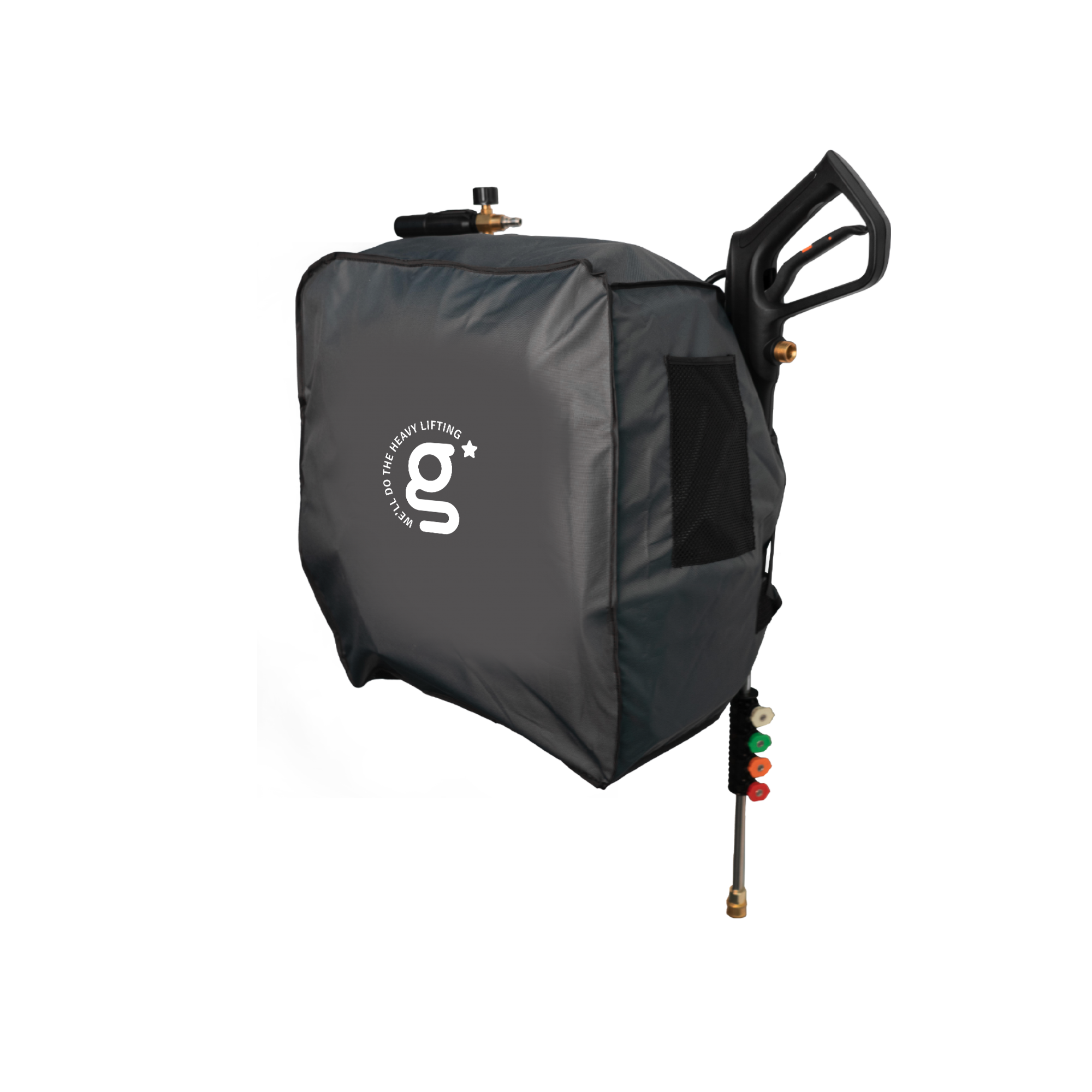
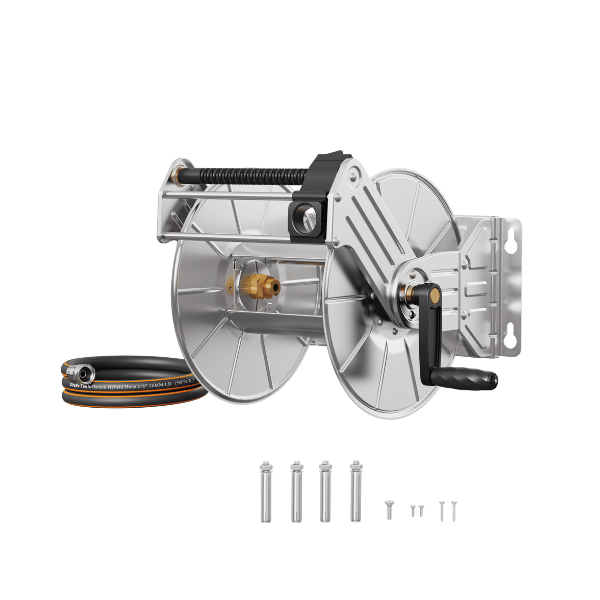
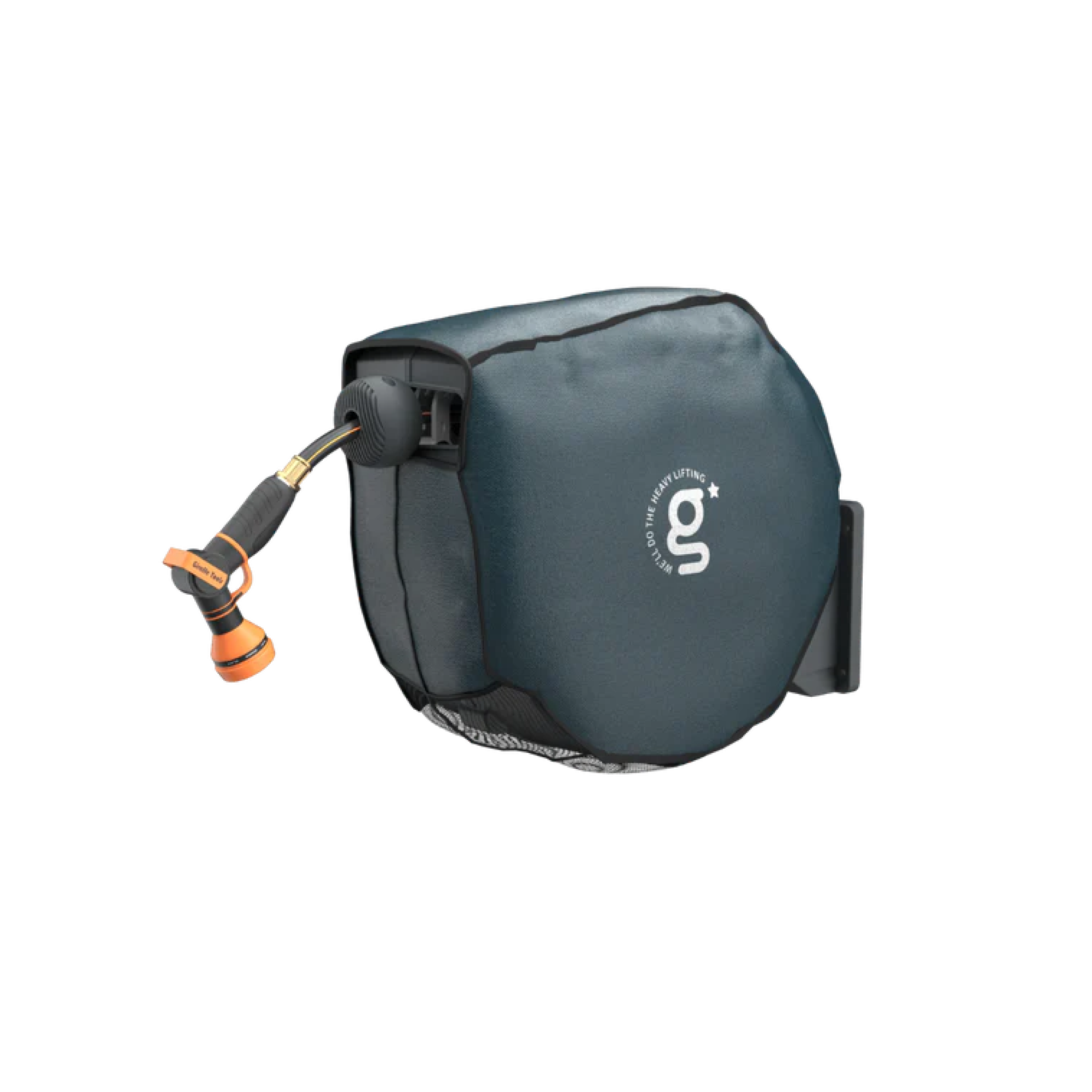
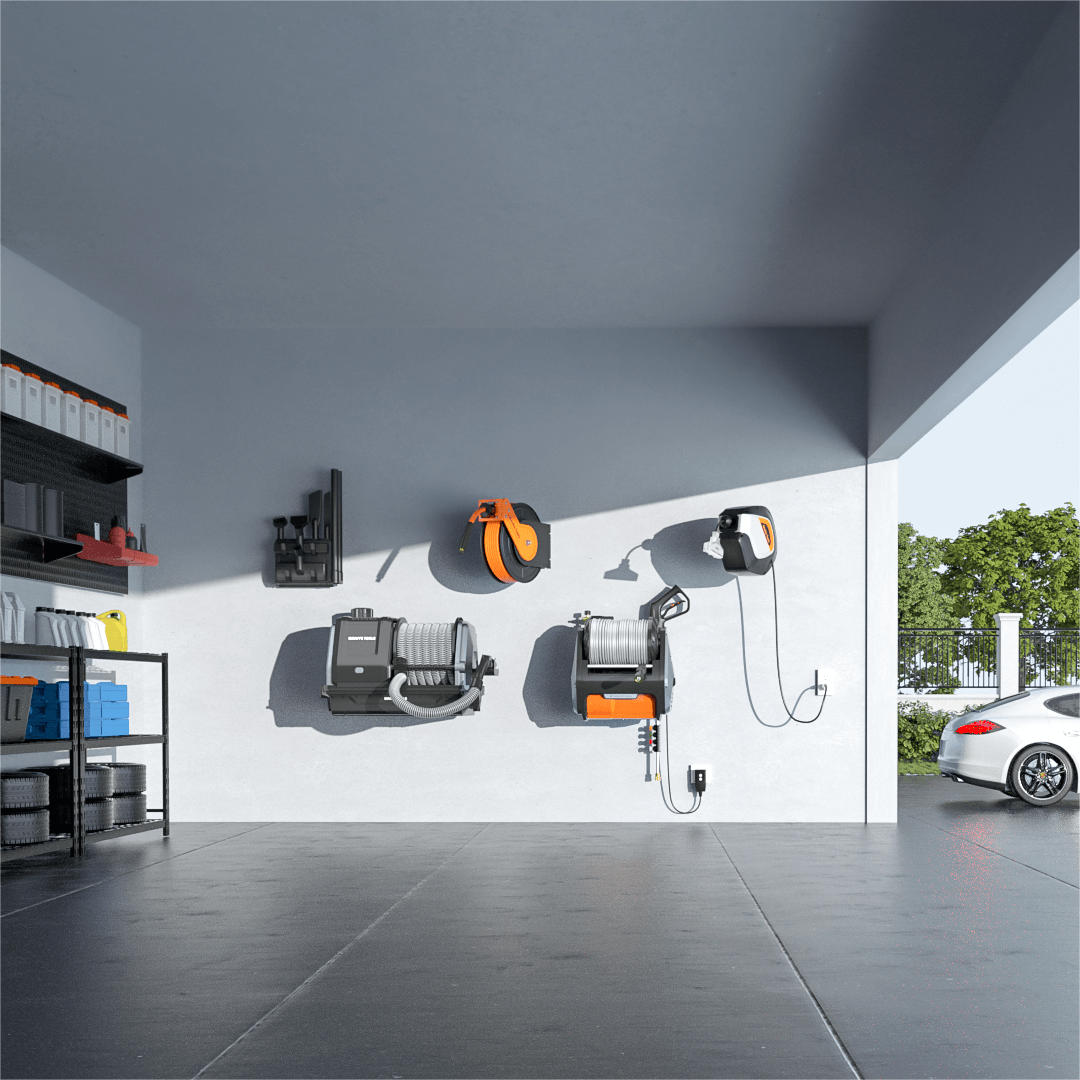
For repeated cleaning in one garage, a wall mount vacuum keeps the machine off the floor and provides retractable hose reach for workbenches, garage flooring and parked vehicles. This makes the rated suction conveniently available across the main cleaning areas.

Which Suction Rating Should You Compare?
kPa is the clearest main figure because it describes pulling force. Higher kPa lifts denser particles and pulls through long hoses or narrow attachments. Compare machines of the same type.
CFM describes the airflow that carries loosened debris, while air watts combine pressure and airflow. Motor watts measure electricity consumed, not nozzle suction. Start with kPa, then confirm airflow, hose reach and attachments.
Useful Suction Range by Vacuum Type
Use the kPa target for the vacuum format you plan to buy. A larger machine is designed to move debris through a longer air path, so compare its rating with machines built for the same kind of cleaning.
|
Vacuum type |
Good kPa target |
Best suited for |
|
Handheld vacuum |
5-12 kPa |
Crumbs, small gaps and quick spot cleaning |
|
Cordless stick vacuum |
10-20 kPa |
Hard floors, rugs and everyday home cleaning |
|
Upright or canister vacuum |
15-25 kPa |
Carpet, pet hair and whole-home cleaning |
|
Wet/dry garage vacuum |
15-25 kPa |
Sawdust, sand, small gravel, vehicles and damp debris |
How Much Suction Do You Need for Everyday Cleaning?
|
Everyday cleaning job |
Useful suction target |
What else matters |
|
Hard floors, dust and crumbs |
About 10-15 kPa |
Sealed floor head and steady airflow |
|
Rugs, carpet and pet hair |
About 15-20 kPa |
Brush roll or carpet tool |
|
Upholstery and narrow gaps |
About 12-15 kPa |
Brush or crevice attachment |
|
Sand, dried soil and small gravel |
Closer to 20 kPa |
Suitable hose and floor nozzle |
|
Damp debris or small spills |
15-20 kPa wet/dry vacuum |
Correct wet filter setup and nozzle |
About 10-15 kPa for Hard Floors and Light Dust
Use 10-15 kPa for hardwood, laminate, vinyl and tile, as well as loose dust, crumbs and dry food particles. These materials sit on the surface, so a floor head with a good seal and steady airflow collects them without requiring maximum suction.
About 15-20 kPa for Carpet and Pet Hair
A good vacuum for carpet should provide 15-20 kPa. Choose nearer 15 kPa for low-pile rugs and surface crumbs, and nearer 20 kPa for embedded dust, pet hair and grit. A brush roll or carpet tool loosens debris from the fibres before suction lifts it away.
About 10-15 kPa for Upholstery, Stairs and Crevices
Use 10-15 kPa for sofas, fabric chairs, stairs, baseboards and furniture gaps. The lower end works for curtains and delicate fabric when the vacuum has adjustable suction, while 15 kPa gives a crevice tool enough pull for crumbs along cushion seams and room edges. A compact brush protects fabric and releases dust without pressing a floor nozzle into the material.
About 15-20 kPa for Garage and Vehicle Cleaning
Use about 15 kPa for light sawdust, workbench crumbs and routine vehicle dust. Choose nearer 20 kPa for sand, small gravel, dried soil and debris travelling through a long hose. Vehicle carpet also benefits from the higher end of this range, plus a brush and crevice tool. For damp debris or spills, use a wet/dry vacuum with the filter setup specified in its manual.
For an area-by-area routine covering seats, mats, upholstery and tight gaps, this guide explains how to clean your car interior with the correct tool before moving from one surface to the next.

What Matters Besides the Suction Number?
-
Floor head: A well-sealed head collects surface dust efficiently on hard floors.
-
Brush tool: Agitation releases pet hair and grit held in carpet, rugs and vehicle upholstery.
-
Crevice tool: A narrow opening concentrates suction along baseboards, furniture edges and seat rails.
-
Filtration: A clean, correctly fitted filter protects airflow and captures fine household or garage dust.
-
Wet/dry pickup: This adds practical coverage for damp entry mats, garage debris and small spills.
Which Vacuum Setup Works Best in a Garage?
A portable vacuum makes sense when cleaning happens in different locations. When most work stays inside one garage, wall mounting saves floor space and makes a long hose easier to access without lifting the machine between the floor, workbench and vehicle.
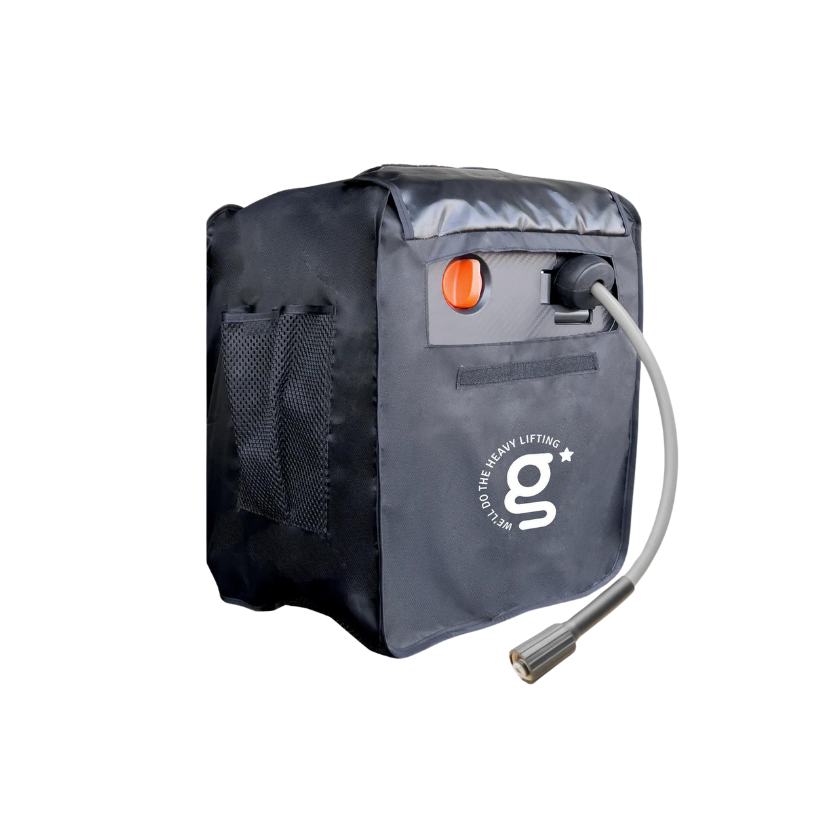
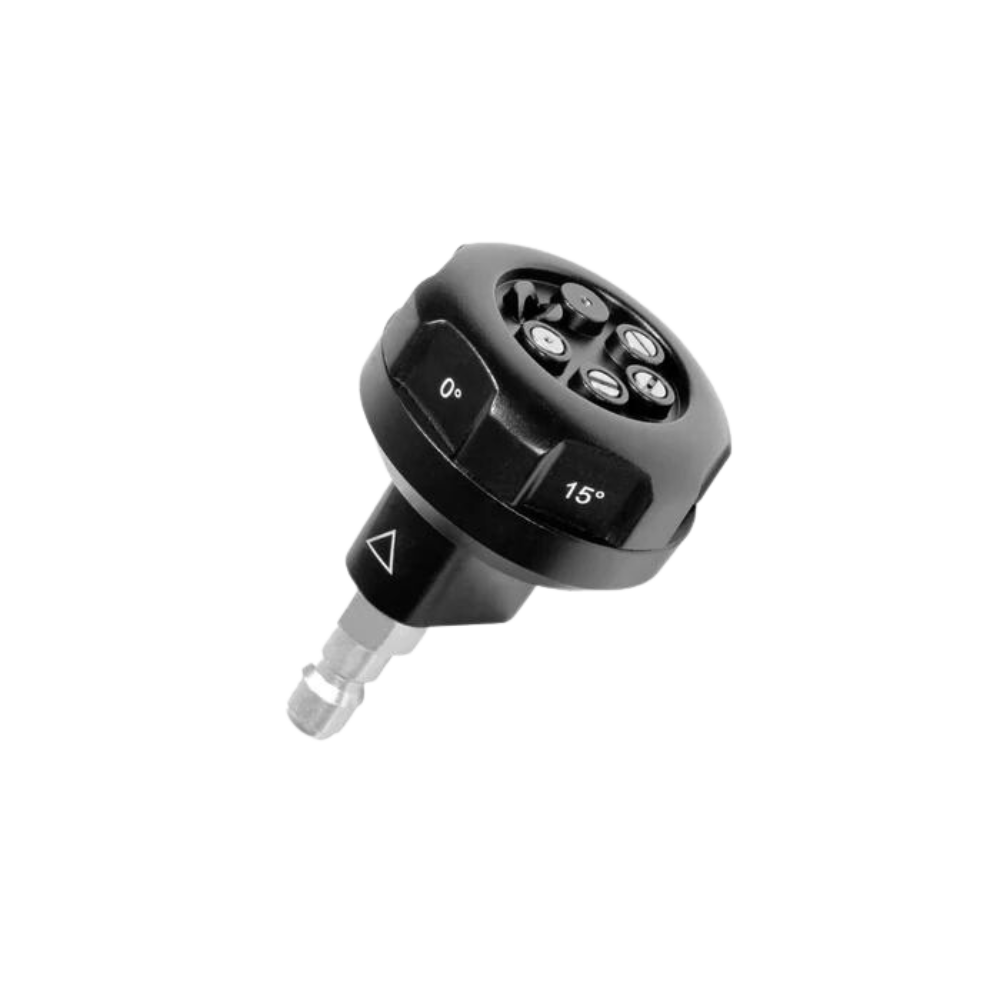
For that fixed-garage routine, the Grandstorm Retractable Vacuum Cleaner lists at least 20 kPa of suction and 75-85 CFM of airflow. Its 30 ft retractable hose reaches across a garage and around a parked vehicle, while six included attachments support floor, brush, crevice and wet-pickup tasks.
The same product also provides wet/dry pickup, adjustable suction at the wand and automatic hose rewind. Those features matter because suction can be matched to the debris, the hose stays available for repeated jobs, and storage does not require manual winding after every cleanup.
If you are still comparing formats rather than one model, the garage vacuum collection is the better place to review wall-mounted storage, wet/dry capability, hose reach and compatible accessories together.
How Do You Get Better Cleaning From the Same Suction?
1. Clear large objects by hand so they do not block the nozzle or damage the hose.
2. Match the attachment to the job: use a floor nozzle on open areas, a brush on clinging debris and a crevice tool in gaps.
3. Move slowly enough for airflow to collect loosened particles instead of making repeated fast passes.
4. Work from cleaner or higher areas towards the dirtiest floor area so fallen debris is collected last.
5. Use wet pickup only when the vacuum and filter configuration are approved for liquids.
If debris remains, do not immediately assume the motor is too weak. Agitate the surface, check the nozzle seal and inspect the hose and filter. These small changes often improve pickup more than a minor difference in the advertised suction rating.
How Do You Keep Strong Suction at the Nozzle?
The advertised rating matters only when the air path stays clear. Empty the tank before it becomes overfilled, inspect the hose and crevice tool for blockages, and clean or replace filters according to the manual. A washable filter must dry fully before it is reinstalled.
Check seals and hose connections if pickup changes suddenly. Hair, damp grit and carpet fibres can collect at bends or narrow attachment openings. Clearing those restrictions often restores useful performance without changing the motor setting.
Final Thoughts
For most garage cleaning, 15-20 kPa is a good suction range. Choose nearer 15 kPa for routine dust and crumbs, and nearer 20 kPa for sand, small gravel, workshop debris or embedded dirt in vehicle carpet.
The most useful machine is not simply the one with the largest number. Airflow, hose reach, attachments, filtration, wet/dry capability and storage determine whether the rated suction becomes effective everyday cleaning.
FAQs
Is a 500W Vacuum Cleaner Good?
A 500W motor can power an effective vacuum, but 500W alone does not confirm suction. Check the kPa or air-watt rating, then confirm the hose, filter and floor head maintain strong pickup at the surface.
Is 20,000 Pa Suction Good for a Vacuum?
Yes. 20,000 Pa equals 20 kPa, which is strong enough for carpet, pet hair, sand, small gravel and demanding garage cleanup when the vacuum also maintains steady airflow.
Does More Motor Wattage Mean More Suction?
No. Motor watts measure electrical input, not suction at the nozzle. Air-path design, seals, hose size and motor efficiency determine how much electrical power becomes useful cleaning performance.
How Can You Tell If a Vacuum Has Good Suction?
Check that its kPa rating matches the job, then look for steady pickup through the working hose and attachment. A good vacuum should collect debris without repeated passes and should not lose power quickly as the tank begins to fill.
How Strong Is 2,000 Pa Suction?
2,000 Pa equals 2 kPa. It can collect light surface dust on hard floors, but it is too low for embedded carpet debris, pet hair, sand, small gravel or demanding garage cleaning.


