










Soft washing and pressure washing can both clean exterior surfaces, but they do the work in different ways. Soft washing uses low-pressure water and a cleaning solution to treat organic growth on delicate materials. Pressure washing uses stronger water force to lift dirt, mud and buildup from durable surfaces.
The right choice depends first on the surface and then on the stain. Use soft washing for roofs, painted finishes and fragile cladding. Use pressure washing for sound concrete, stone, garage floors, driveways and other hard surfaces that can handle mechanical force.
What Is the Difference Between Soft Wash and Pressure Wash?
The quickest answer is chemistry versus force. A soft-wash solution loosens and treats algae, mildew and other organic matter, then a gentle rinse carries it away. Pressure washing relies mainly on water pressure and flow to break the bond between grime and a hard surface.
|
Feature |
Soft washing |
Pressure washing |
|
Main cleaning action |
Cleaning solution plus a low-pressure rinse |
Pressurized water removes surface buildup |
|
Typical pressure |
Usually below 500 PSI |
Commonly about 1,300-3,000+ PSI |
|
Best suited to |
Roofing, painted siding and delicate finishes |
Concrete, stone, sound brick and garage floors |
|
Best at removing |
Algae, mildew, mould and organic staining |
Mud, loose dirt, road film and stubborn grime |
|
Main equipment need |
Chemical-compatible soft-wash pump and solution |
Pressure washer, suitable nozzle and water supply |
Pressure figures describe the equipment, not permission to use full force on every surface. Nozzle angle, distance, flow and surface condition all change the force that reaches the material. The pressure washer PSI guide explains how to match pressure to common cleaning jobs before you start.

How Does Soft Washing Clean a Surface?
A dedicated soft-wash system applies a diluted cleaning solution at low pressure. The solution remains on the surface for a specified dwell time so it can act on organic growth. The area is then rinsed gently before the solution dries.
Where Soft Washing Works Best
Soft washing is commonly chosen for asphalt shingles, painted siding, stucco, screens and other finishes that high pressure could mark, lift or saturate. It is especially useful when dark streaks or green patches are caused by algae, mildew or mould rather than loose soil.
Why the Cleaning Solution Matters
The pump, seals, hose and fittings must be compatible with the chosen solution. Follow the chemical label for dilution, protective equipment, dwell time, plant protection and runoff control. Never mix cleaning chemicals, and never send bleach or another unapproved product through a pressure-washer pump. A household pressure washer set to a wide spray is not automatically a true soft-wash system.
How Does Pressure Washing Clean a Surface?
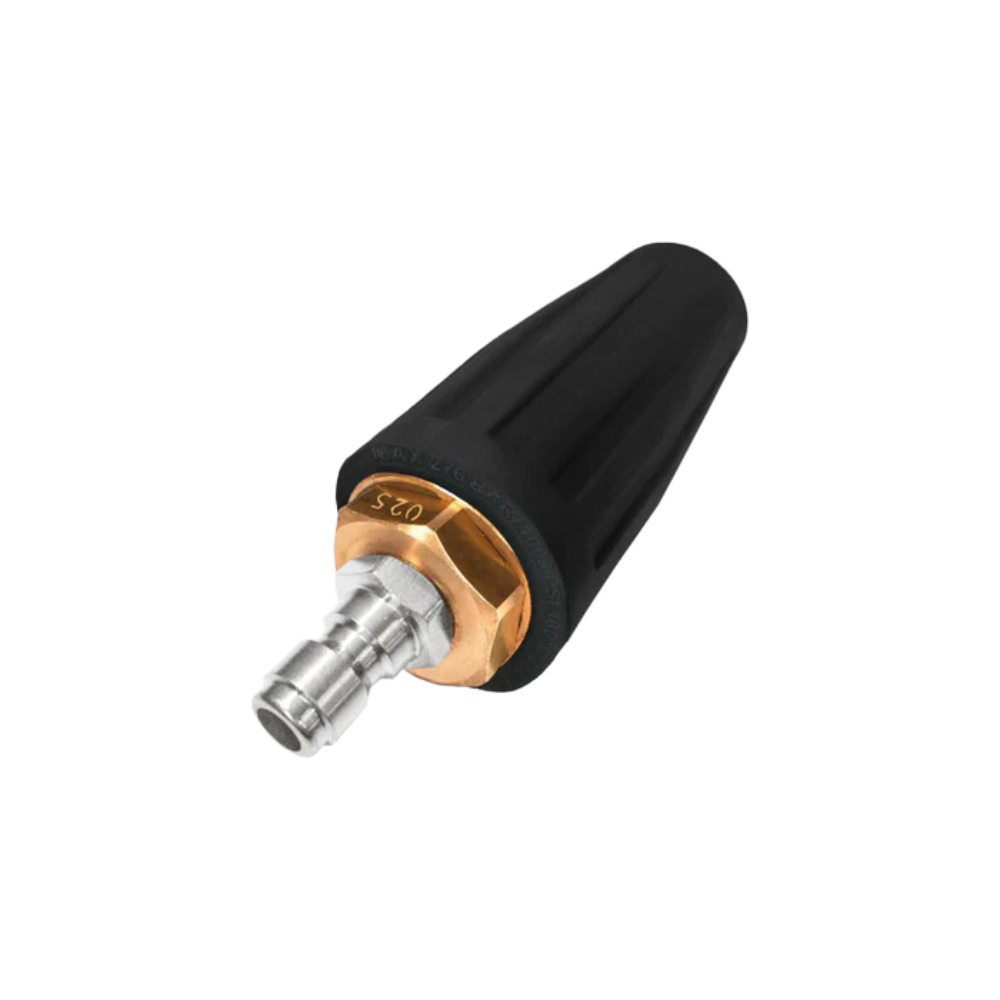
Pressure washing sends water through a small nozzle opening, creating a concentrated spray that removes material mechanically. It is fast on sound concrete, pavers, stone, garage floors and other hard surfaces where dirt has bonded to the surface or settled into texture.
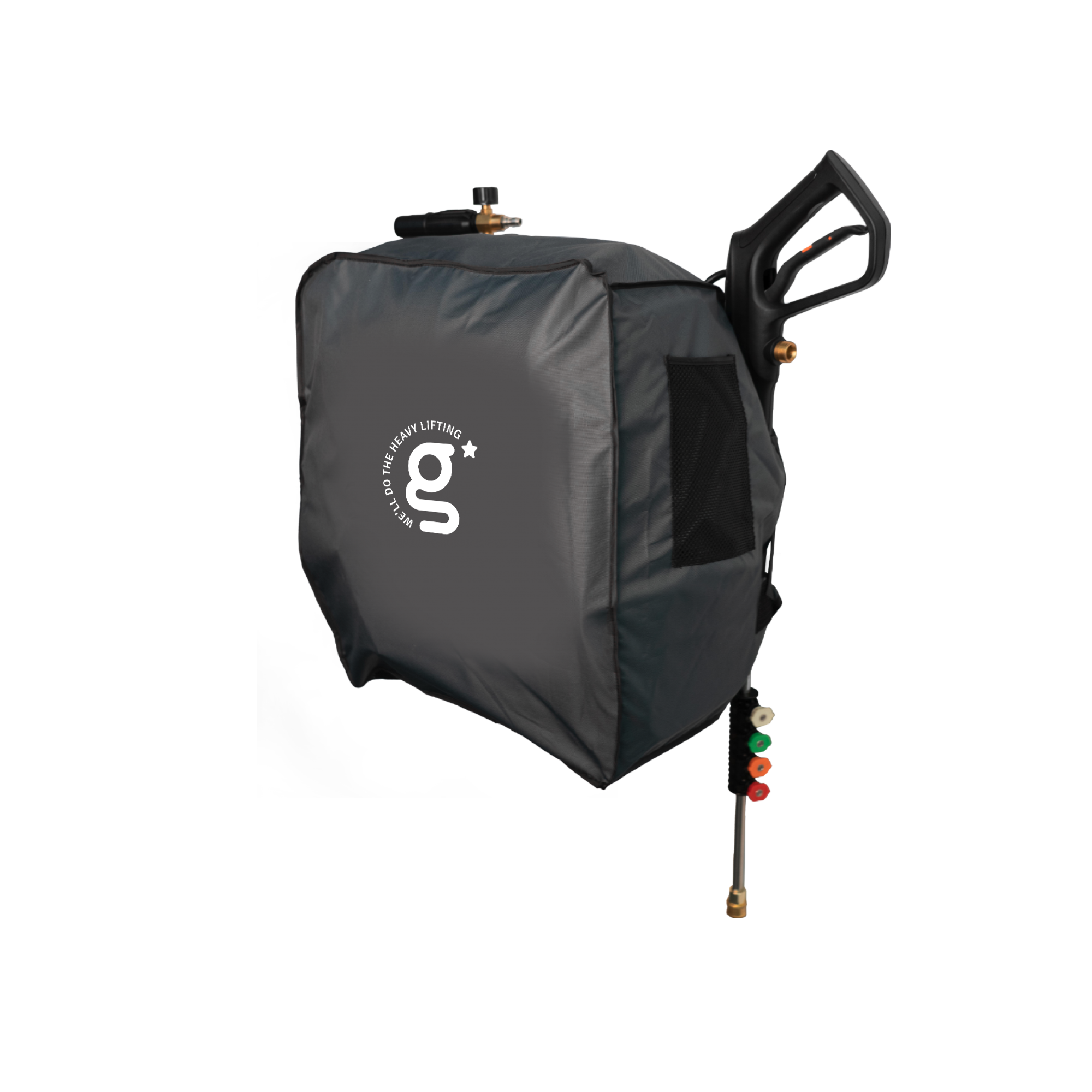
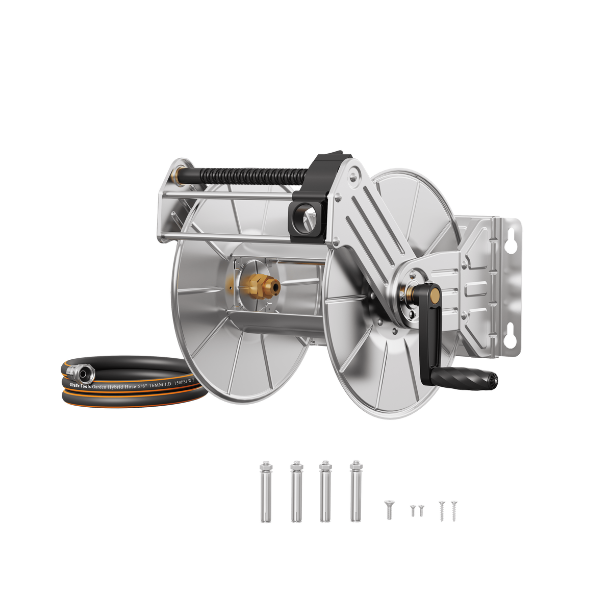
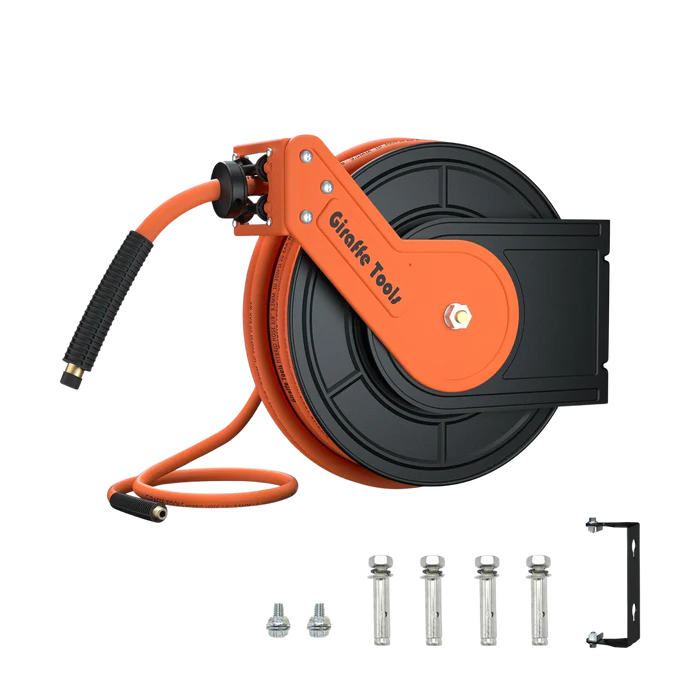
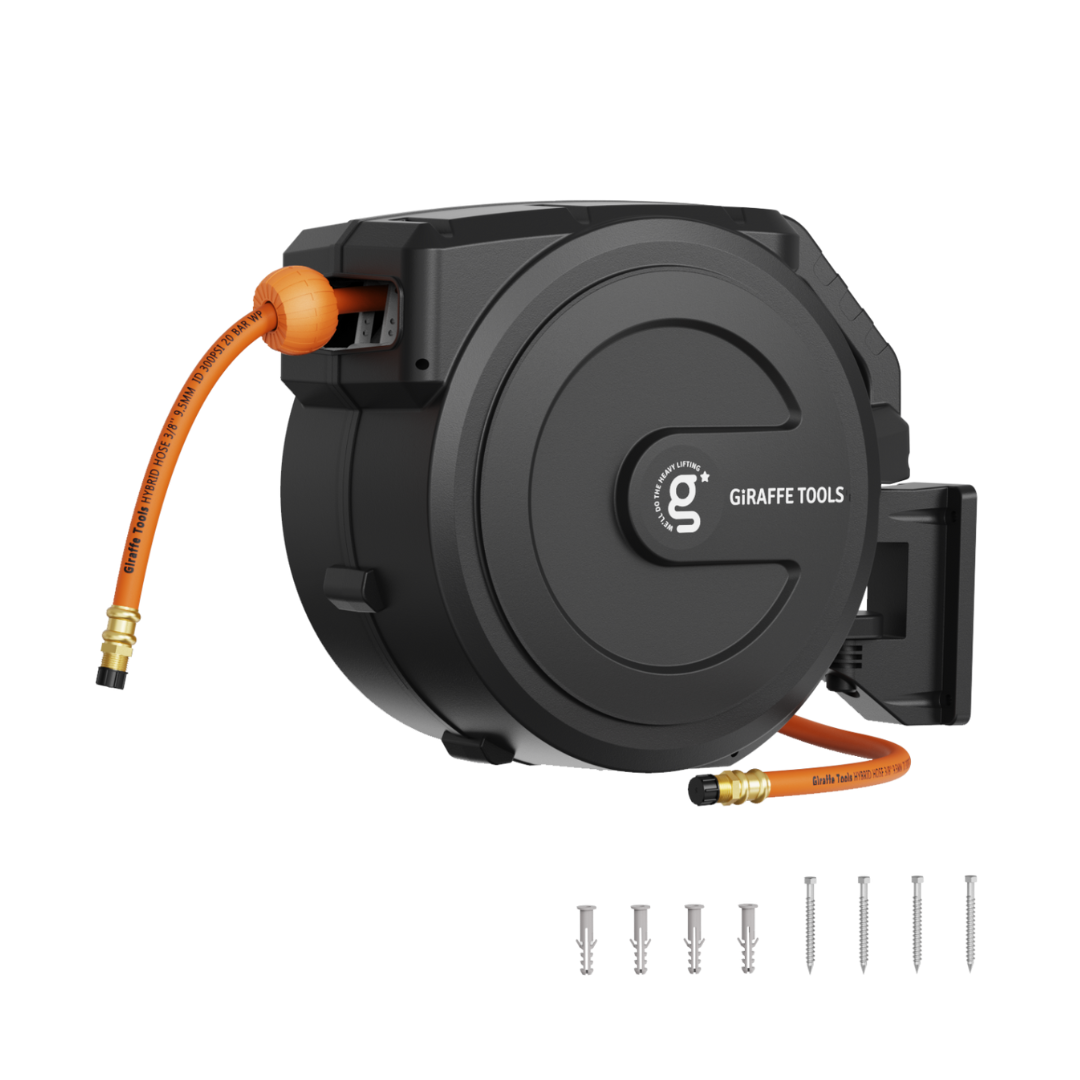
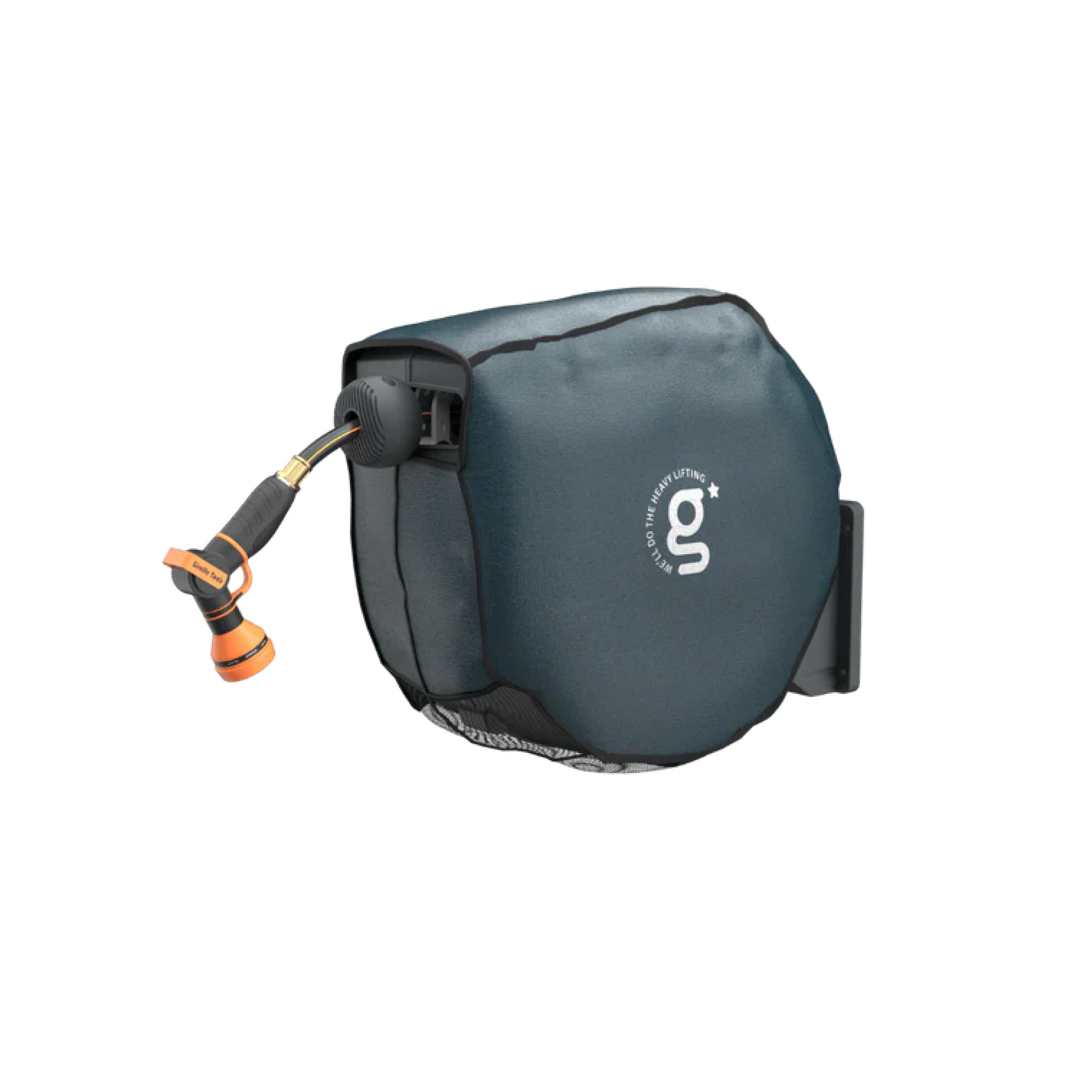
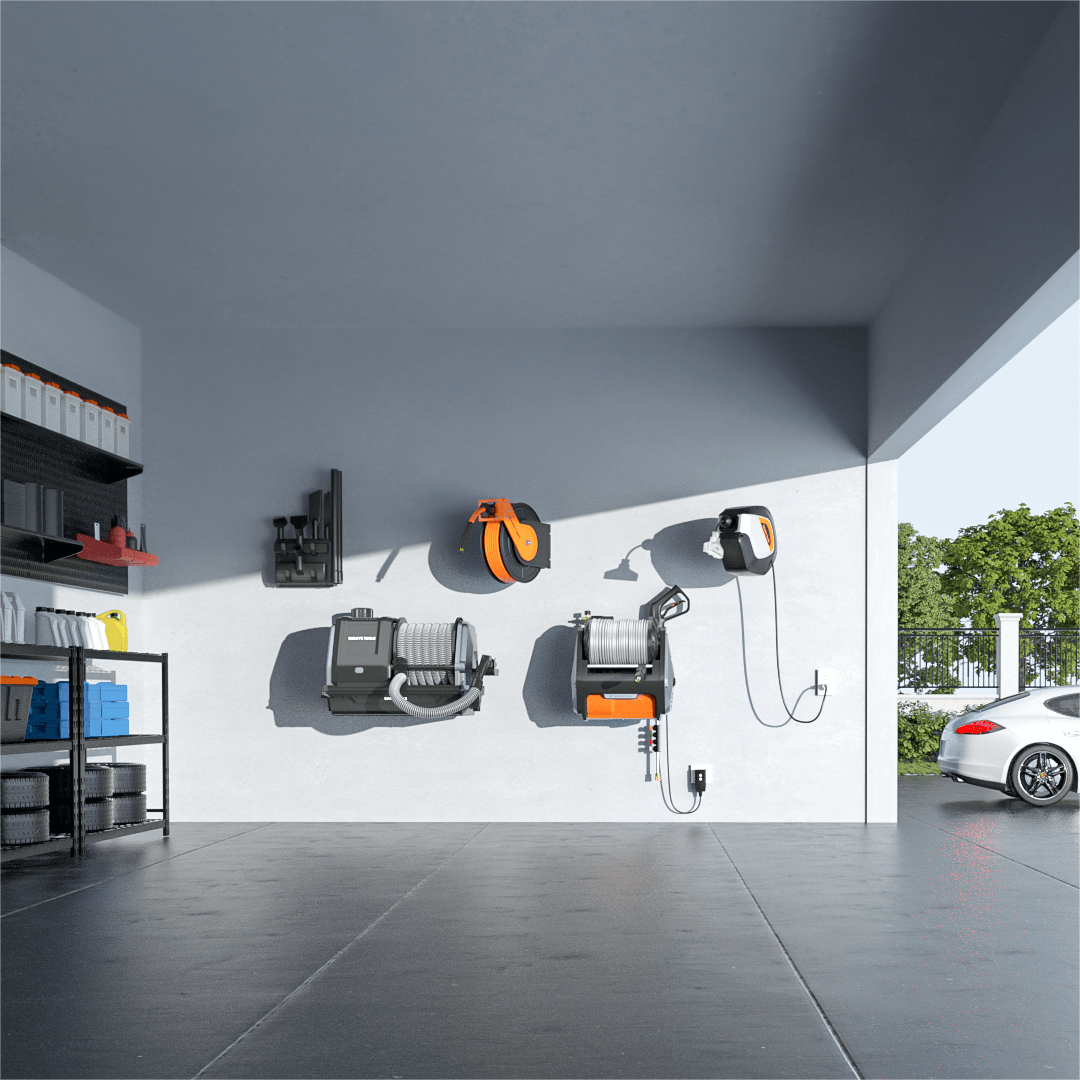
If several hard-surface jobs are spread around the property, a long hose and fixed storage reduce setup between the driveway, patio and garage. A wall mounted pressure washer keeps the machine and hose in one place while different nozzle angles let you adjust the spray for each suitable surface.

Start With the Least Aggressive Setup
Sweep away loose debris first. Fit a wide-angle nozzle, begin at a generous distance and test an inconspicuous area. Move closer only when the surface remains sound and the cleaning result is too light. Keep the wand moving in overlapping passes instead of holding a concentrated jet on one spot.
Choose Rated Performance, Not Only Maximum PSI
Maximum PSI is a peak figure. Rated pressure and flow are more useful for comparing steady cleaning performance. Also check hose reach, nozzle options and detergent delivery. These features decide how easily one machine moves between routine vehicle washing and tougher flatwork.
Which Method Should You Use on Each Surface?
Roofing, Siding and Painted Finishes
Choose soft washing for asphalt shingles and for delicate or ageing exterior finishes. Low pressure limits mechanical stress while the approved solution deals with organic staining. Check the roofing, siding or paint manufacturer’s cleaning instructions before applying any product. Hire a qualified exterior cleaner when the work involves height, uncertain materials or heavy growth.
Driveways, Walkways and Sound Masonry
Choose pressure washing for sound concrete, stone and many unpainted masonry surfaces. These materials can hold compacted soil, tyre marks and winter grime that low-pressure rinsing leaves behind. Pre-treat an appropriate stain when necessary, then use controlled, even passes. Avoid damaged mortar, loose aggregate and cracked surfaces until they are repaired.
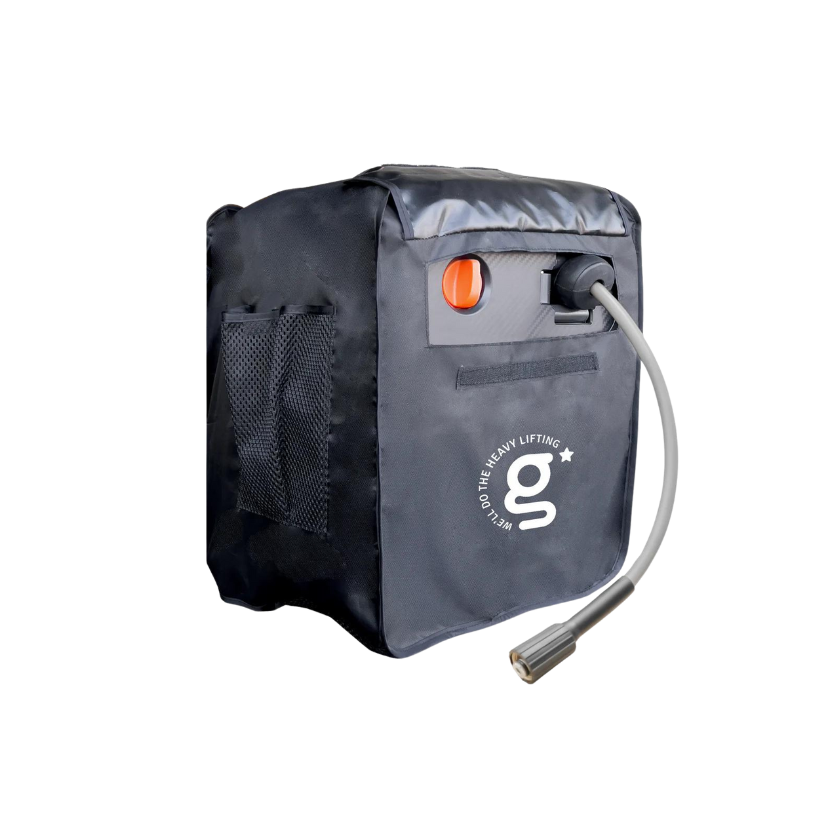
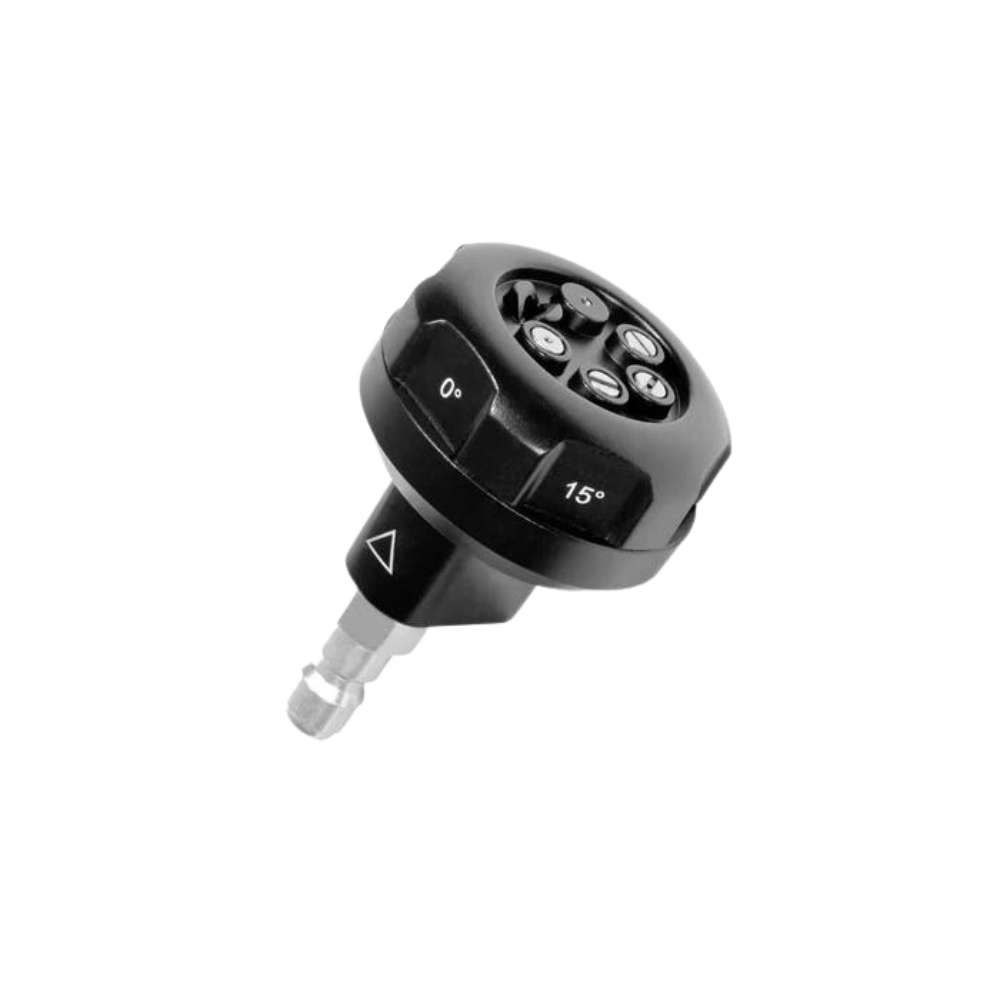
For regular driveway, patio and vehicle cleaning, the Grandfalls Retractable Pressure Washer Plus provides a 100 ft replaceable hose, four quick-connect nozzles and rated pressure of 2,100 PSI. Its wall-mounted auto-retracting design suits households that want broad reach without moving the machine or winding the hose after each job.
Wood Decks, Fences and Composite Materials
Check the manufacturer’s instructions before choosing either method. Soft washing is the safer starting point for painted, stained, weathered or soft wood. Sound unfinished wood may be cleaned with carefully controlled pressure, but a narrow jet or close working distance can raise the grain and leave visible lines. Composite boards also have brand-specific limits.
Vehicles, Outdoor Furniture and Mixed Materials
A pressure washer can handle suitable vehicle and outdoor-furniture cleaning when you use a wide nozzle, moderate distance and product-approved detergent. Stay away from damaged paint, seals, bearings, electronics and loose trim. Mixed surfaces should be treated separately rather than sprayed with one setting from start to finish.
Which Method Removes Algae, Mud and Grease Better?
Choose by what is holding the stain in place. Soft washing is the stronger match for algae, mould, mildew and lichen because the cleaning solution acts on the growth instead of only disturbing the visible layer. Pressure washing is the faster match for mud, loose dirt and surface buildup on durable materials.
Grease and oil need a cleaner approved for the surface and equipment, followed by agitation or controlled rinsing. Water pressure alone can spread oily residue. For mixed jobs, professionals often use chemistry as a pre-treatment and controlled pressure for the final rinse or hard-surface cleaning. That sequence is not the same as using high pressure everywhere.
How Do You Choose a Pressure Washer for Hard-Surface Jobs?
Choose a machine around the jobs you repeat. Routine vehicle washing benefits from a wide fan nozzle and easy detergent application. Driveways and patios need useful rated pressure, adequate flow and enough hose to work in steady passes. A permanent garage setup also keeps the hose clear of the floor and shortens setup time.
For larger or more demanding hard-surface areas, the Grandfalls Retractable Pressure Washer Pro pairs rated pressure of 2,700 PSI with a 100 ft replaceable hose and an induction motor. It is the stronger option when deep concrete cleaning is frequent, while the included nozzle choices still let the operator begin with a wider spray.
Neither model should be treated as a chemical-compatible soft-wash pump. Use only detergents and accessories allowed by the product manual. If a roof or delicate finish needs true soft washing, use dedicated equipment or a qualified service rather than trying to turn a high-pressure system into one.
What Safety Steps Apply to Both Methods?
Inspect the surface, close windows and protect nearby people, pets, outlets and fixtures. Wear eye protection, closed footwear and any chemical-resistant equipment required by the product label. Test a hidden area before cleaning the full surface.
With pressure washing, never point the spray at skin and never work from a ladder while managing recoil. With soft washing, control overspray and runoff, pre-wet or cover sensitive plants as directed, and rinse accidental contact promptly. Stop if the surface changes colour, sheds material, leaks or shows damage.
Frequently Asked Questions
Is soft washing better than pressure washing?
No single method is better for every job. Soft washing is better for delicate finishes and organic growth. Pressure washing is better for durable hard surfaces with mud, dirt and stubborn buildup. The surface decides the method.
Can I use my pressure washer as a soft wash system?
A pressure washer can apply approved detergent at low pressure on some surfaces, but it is not automatically a soft-wash system. Never run unapproved chemicals through the pump. Follow the washer and surface manuals, or use a chemical-compatible soft-wash pump.
What PSI is considered soft washing?
Soft washing is generally performed below 500 PSI, and many systems operate well below that level. The exact pressure is less important than using a compatible pump, the correct solution and a gentle application suited to the surface.
Do you rinse the roof after soft washing?
Follow the roof-material and cleaning-product instructions. Some professional treatments remain on the roof and are gradually rinsed by rain, while other products require a controlled low-pressure rinse after the stated dwell time. Never use high pressure to speed up the rinse on asphalt shingles.
What should you not pressure wash?
Do not pressure wash people, pets, asphalt shingles, electrical fittings, damaged paint, loose mortar, cracked surfaces or anything the manufacturer excludes. Delicate siding, soft wood and ageing finishes also need another method or tightly controlled professional cleaning.
Conclusion
Use soft washing when the surface is delicate or the main problem is organic growth. Use pressure washing when the surface is hard and the job calls for mechanical removal of dirt and buildup. When one property contains both, divide the work by surface instead of forcing one method to do everything.
Before starting, confirm the material, read the equipment and chemical instructions, and test a small area. The best result comes from the correct method, not the highest pressure.


