










Using too much pressure can strip paint, gouge wood, or crack siding, while too little just wastes time and water. Most home cleaning tasks fall between 1,200 and 3,000 PSI, with the right number depending entirely on the surface. Here's how to match PSI to the job before you turn the machine on.
What Does PSI Actually Measure?
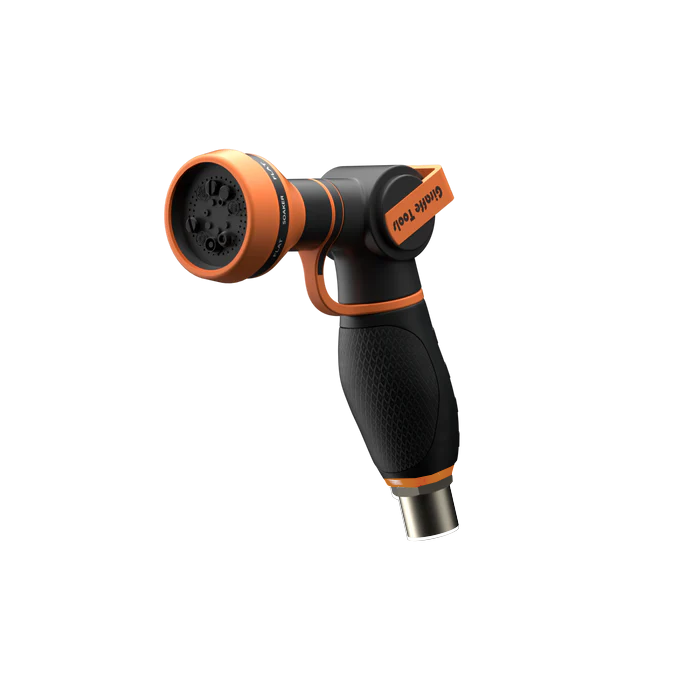
PSI stands for pounds per square inch, and it measures how much force the water stream applies to a surface. A higher PSI breaks down stubborn dirt and grime faster, while a lower PSI is gentler on delicate materials like car paint or wood siding. Browsing a pressure washer lineup with adjustable nozzles gives you more flexibility to move between PSI levels on the same machine rather than needing separate units for different jobs.
PSI alone doesn't tell the whole story, though — GPM, or gallons per minute, plays just as large a role in how quickly a surface actually gets clean.

What PSI Do You Need for Common Cleaning Tasks?
Different surfaces tolerate very different amounts of force. Use this as a starting point, then adjust based on how the surface responds.
|
Task |
Recommended PSI |
|
Cars, motorcycles, bikes, patio furniture |
1,200–1,900 |
|
Wood decks, fences, exterior siding |
1,500–2,300 |
|
Driveways, patios, concrete walkways |
2,500–3,000 |
|
Stripping paint or rust from metal |
2,500–4,000 |
|
Heavy equipment, industrial surfaces |
3,000–4,000+ |
Softwoods like cedar or pine are the exception on this list — they can be damaged at pressures well under 1,000 PSI, so it's worth testing an inconspicuous spot first on any unfamiliar wood surface.
How Does GPM Change the Picture?
PSI determines how forcefully water hits a surface, but GPM determines how much water arrives to rinse the loosened dirt away. Multiplying PSI by GPM gives a rough measure of overall cleaning output — sometimes called cleaning units — and it explains why two washers with the same PSI rating can perform noticeably differently in practice.
A washer rated at 2,000 PSI with a higher GPM will often clear a driveway faster than a 2,500 PSI unit with a lower GPM, simply because the extra water volume carries debris away more efficiently. When comparing machines, it's worth looking at both numbers together rather than PSI in isolation.
What PSI Is Safe for Cars and Other Delicate Surfaces?
Car paint, chrome trim, and clear coat call for the lowest end of the residential PSI range, generally 1,200 to 1,900. A wide fan nozzle spread over the surface, held at least 30 to 45 cm (12 to 18 inches) away and kept moving, reduces the risk of stripping wax or etching the clear coat. Pairing that pressure range with a foam cannon and a two-bucket wash routine lifts dirt off the surface before it has a chance to scratch the paint.
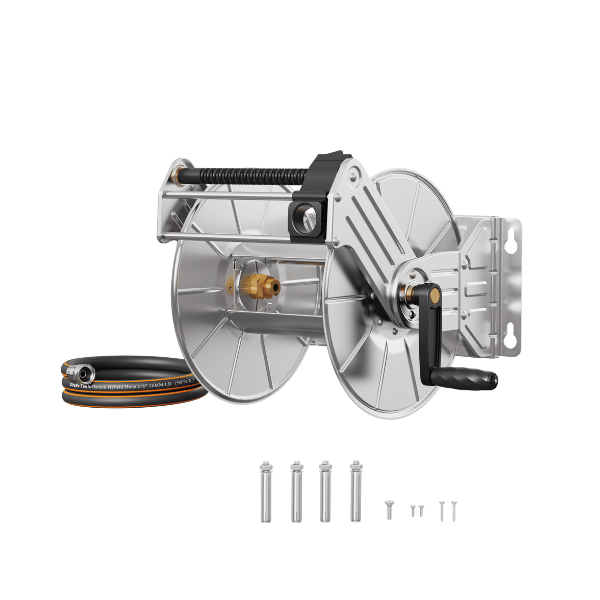
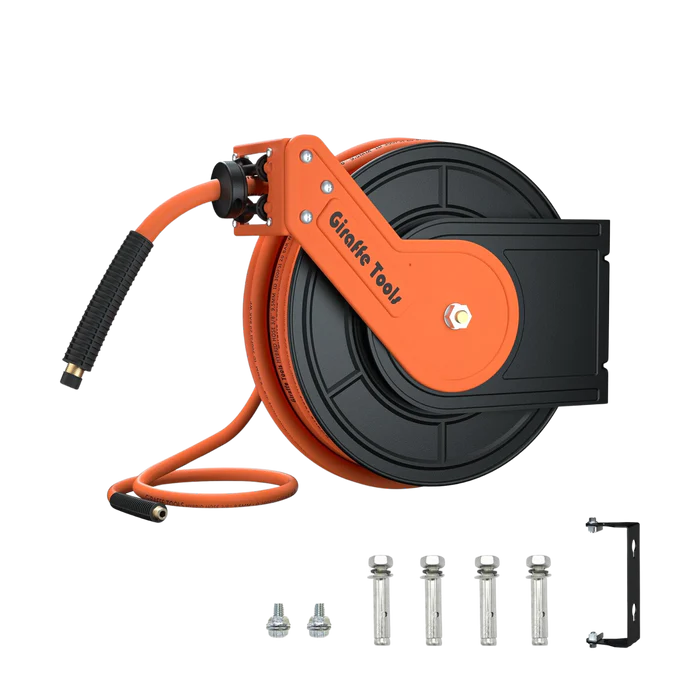
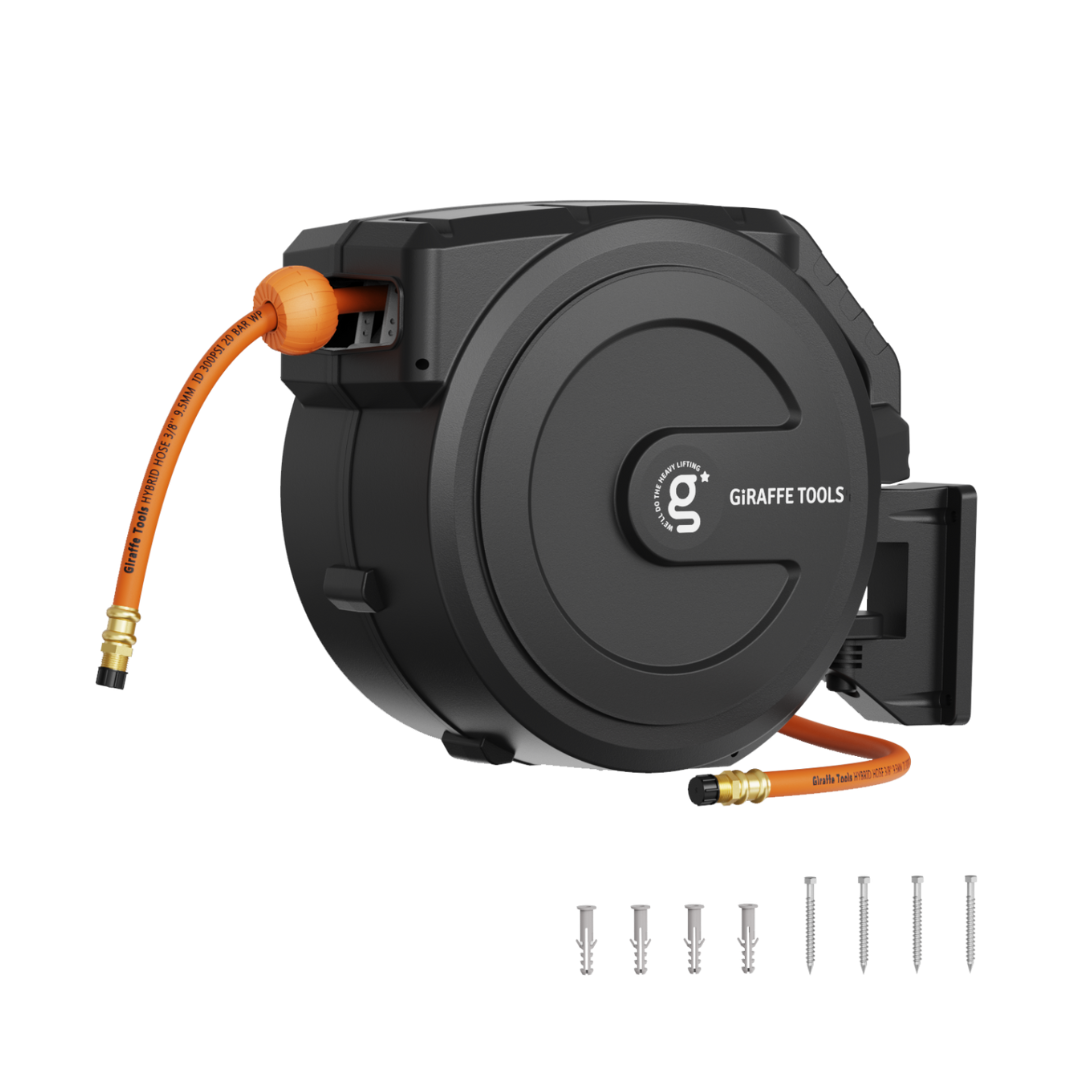
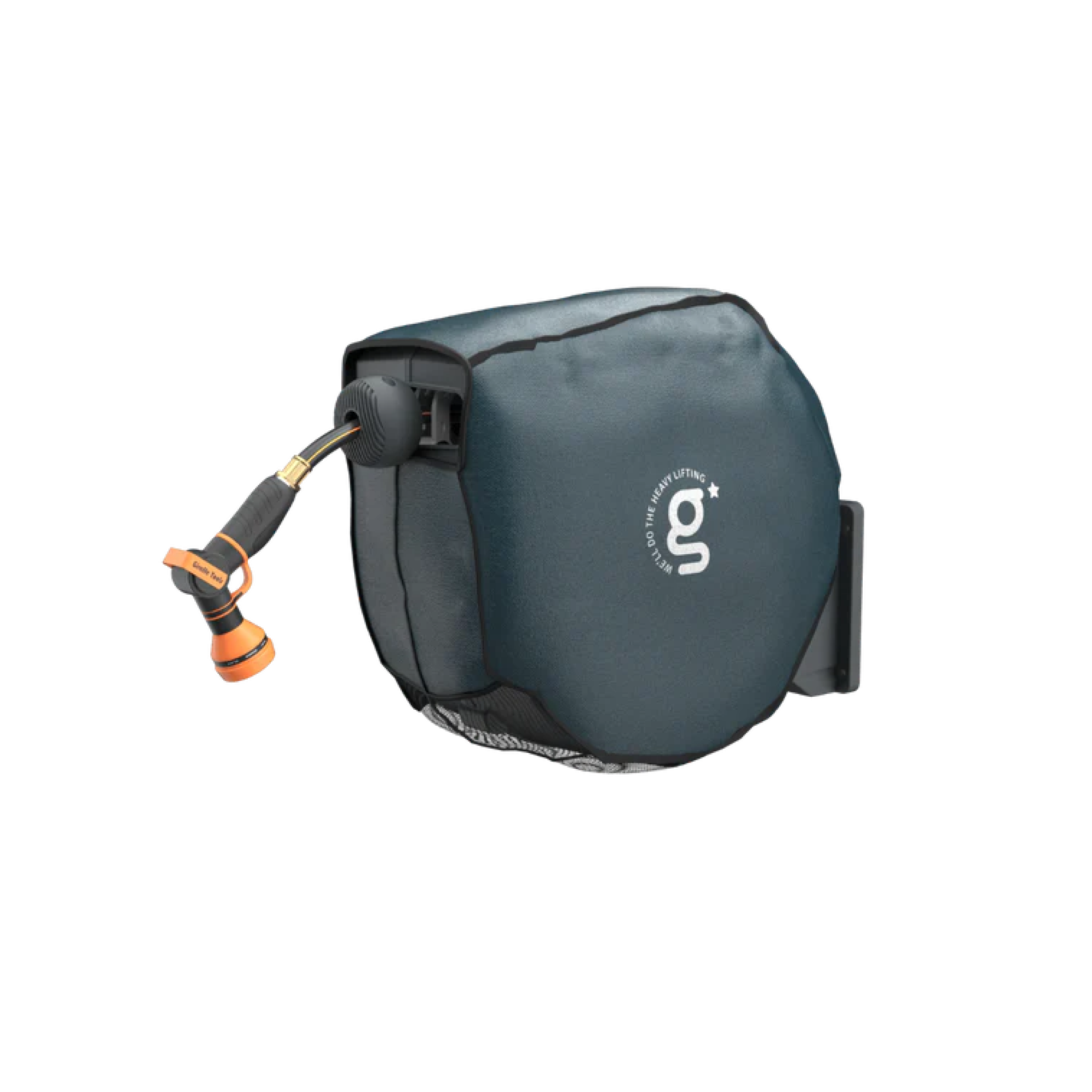
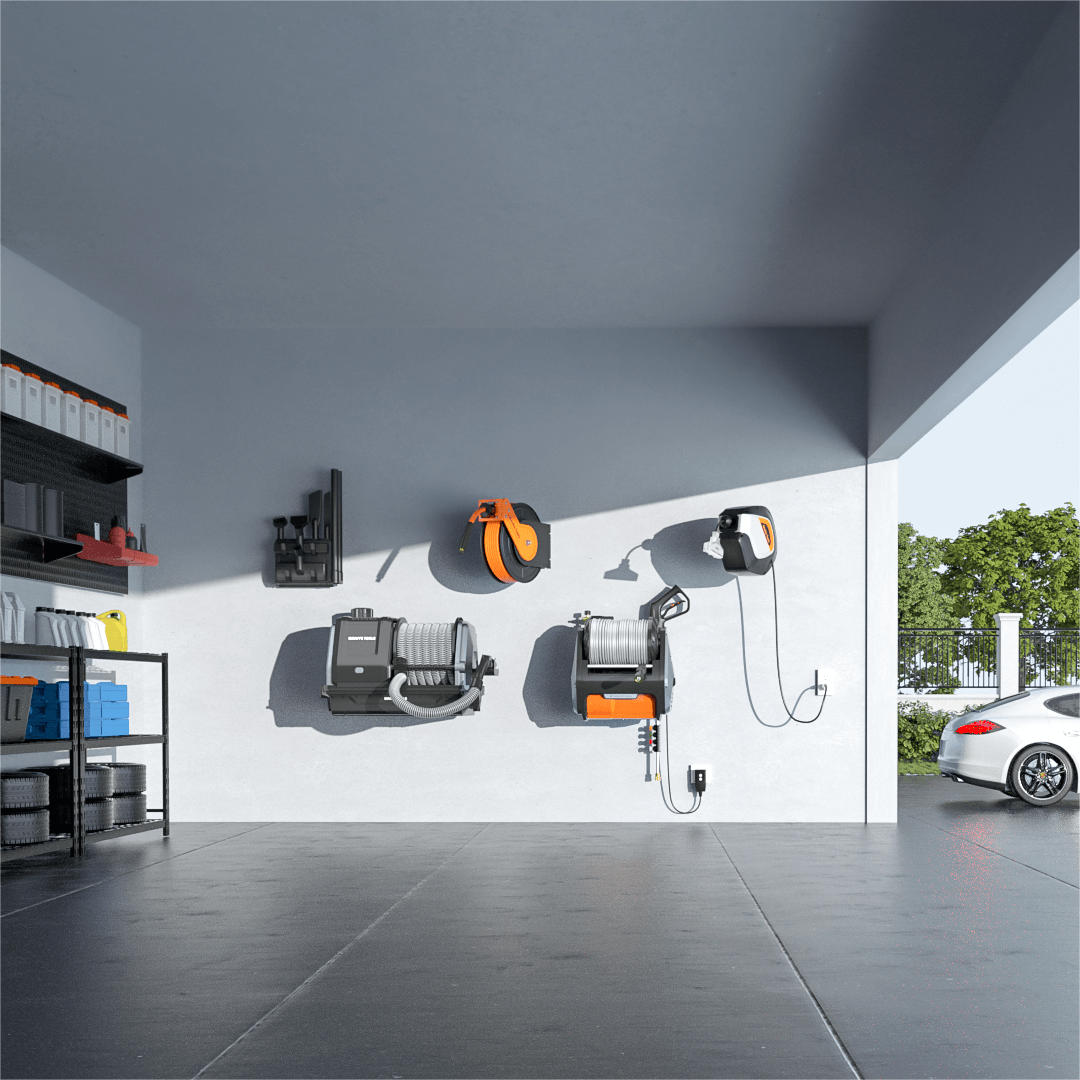
Using a retractable pressure washer, you can always stay within this safer cleaning range depending on the type of stain, instead of having to clean every surface of a vehicle as you would with a fixed pressure washer.

What PSI Handles Driveways, Siding, and Tougher Jobs?
Concrete driveways and patios can generally tolerate 2,500 to 3,000 PSI, which is enough to lift oil stains, tire marks, and ground-in dirt. Painted or sealed concrete should stay closer to the lower end of that range to avoid damaging the coating. Brick and masonry walls do better starting around 2,000 PSI, since higher pressure risks breaking down older mortar joints.
For paint or rust removal on metal, 2,500 to 4,000 PSI is typically needed, though this level of pressure isn't appropriate for wood, vinyl, or anything painted that you want to keep intact. A wall mount pressure washer with adjustable PSI settings makes it easier to move between these tougher jobs and gentler ones without switching machines.
How Does Nozzle Angle Change the Effective Pressure?
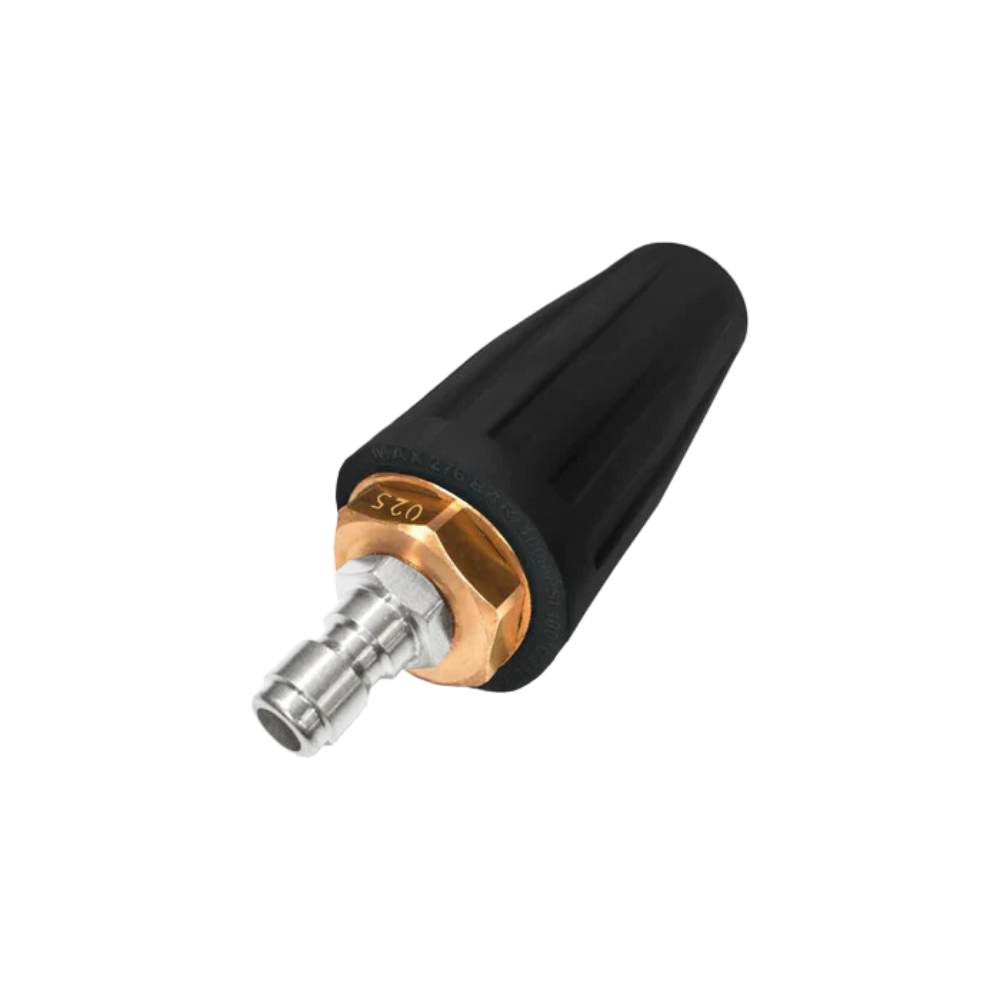
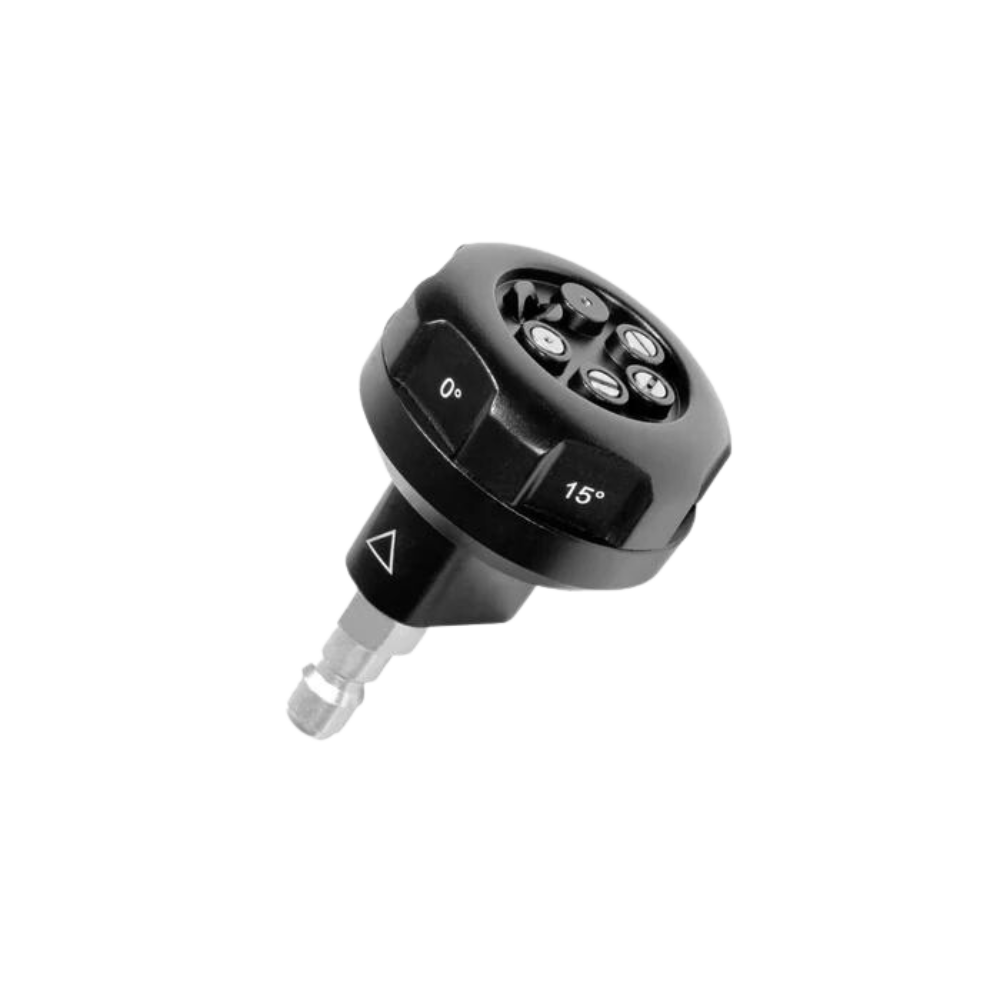
The nozzle spreads or concentrates the same PSI output over a wider or narrower area, which changes how forceful the spray feels on the surface even though the machine's rated pressure hasn't changed.
|
Nozzle Angle |
Best For |
|
0° |
Concentrated jet for tough stains on metal — not for cars or wood |
|
15° |
Concentrated cleaning for concrete and masonry |
|
25° |
General-purpose use on decks, fences, and vehicles |
|
40° |
Wide, gentle spray for rinsing car paint and windows |
|
65° |
Low-pressure spray for applying soap or foam |
A high-PSI machine paired with a wide nozzle can behave as gently as a lower-powered unit, which is why nozzle choice matters just as much as the PSI rating printed on the box.

What Mistakes Do People Make When Choosing PSI?
Buying the highest PSI machine available is one of the most common mistakes, since more pressure isn't automatically better and makes it easier to damage a surface by accident. Ignoring GPM and focusing on PSI alone is another — a balanced machine with moderate pressure and good flow often outperforms a high-pressure unit with weak flow. Distance matters too: pressure drops off quickly as you move away from the surface, and holding the nozzle too close can effectively double the force hitting the material.
A Washer That Adjusts to the Job
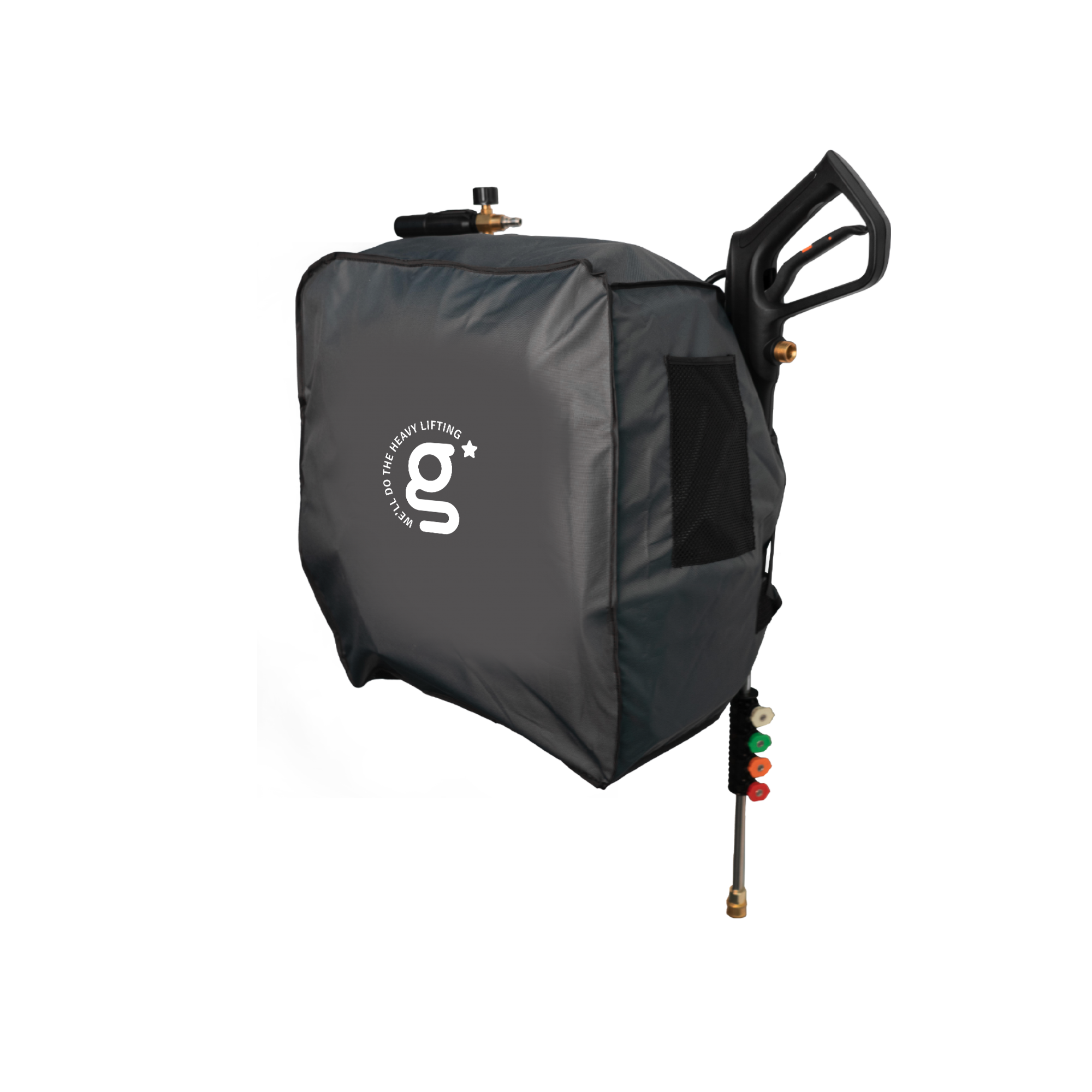
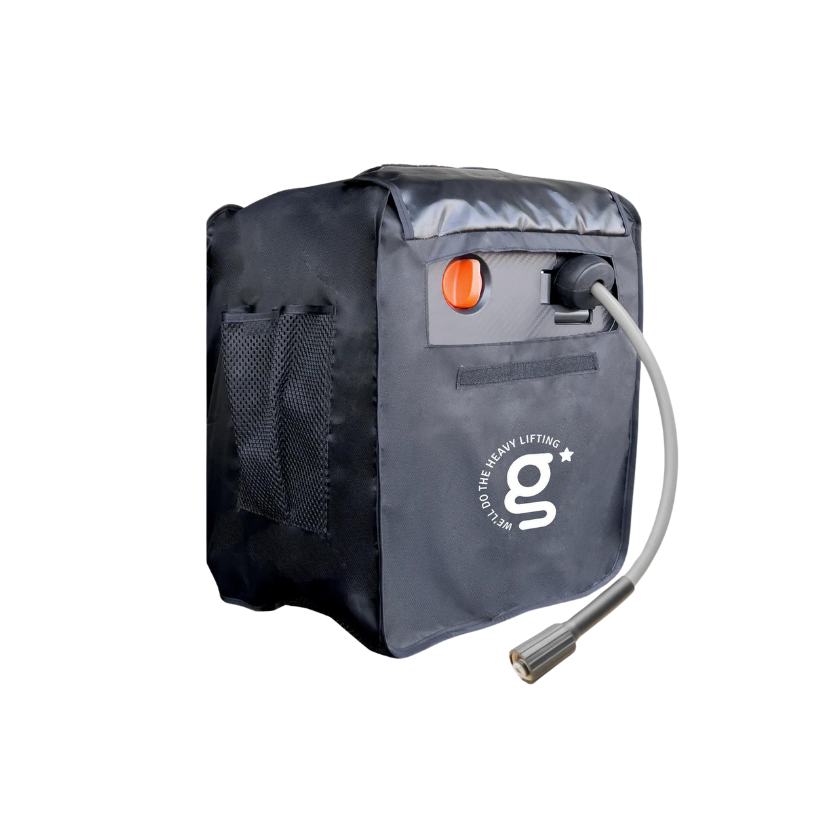
Rather than owning several machines for different PSI ranges, a single unit with adjustable settings covers most of what a typical household needs. The Grandfalls Retractable Pressure Washer Pro reaches up to 3,700 PSI at its highest setting, with multiple nozzle options that bring it down into the safer range for cars, siding, and outdoor furniture. Its 100 ft (about 30 m) retractable hose and induction motor also make it practical for moving between tasks around the property without dragging a hose back and forth.
Final Thoughts
Matching PSI to the surface, not the highest number available, is what actually protects your car, deck, and driveway while still getting the job done. Start on the lower end of the recommended range for any new surface, and adjust upward only if the result calls for it.
Frequently Asked Questions
How Much PSI Should I Use in a Pressure Washer for My House?
For siding and exterior walls, 1,500 to 2,300 PSI is typically enough to clean without damaging paint or trim. Painted or older siding does better at the lower end of that range, with a wide nozzle kept moving rather than held in one spot.
Is 3000 PSI Too Much to Wash a Car?
Yes. Car paint and clear coat call for 1,200 to 1,900 PSI at most. 3,000 PSI is well into driveway and concrete territory and risks stripping wax or etching the clear coat, especially at close range.
How Many PSI to Clean Concrete?
Most concrete driveways and patios clean well at 2,500 to 3,000 PSI, which is enough to lift oil stains and ground-in dirt. Painted or sealed concrete should stay closer to 2,500 PSI to avoid damaging the coating.
Will 3000 PSI Strip Paint?
On wood or vinyl siding, yes — 3,000 PSI is well above the safe range and can strip paint or gouge softer materials. That pressure level is more appropriate for metal surfaces or concrete, not painted wood.
Do You Really Need a 4000 PSI Pressure Washer?
For most home tasks, no. Cars, decks, siding, and even driveways all fall well under 3,000 PSI. A 4,000 PSI machine is really only necessary for stripping paint or rust from metal or heavy-duty industrial cleaning.


