













The best way to water a garden is to water the soil deeply, then wait until it begins to dry before watering again. Water early in the morning, direct the flow at the root zone and stop before the soil becomes waterlogged. These habits send moisture below the surface, encourage deeper roots and waste less water than a quick daily sprinkle.
Sun, wind, rainfall, plant size, containers and soil type change how quickly moisture disappears. Use the ten rules below, then check the soil instead of relying only on the calendar.
What Are the Three Most Important Watering Rules?
If you remember only three rules, water deeply, water the roots and water early. Deep watering builds a useful moisture reserve below the surface. Root-level watering puts that moisture where the plant uses it. Early-morning watering limits evaporation and gives splashed leaves time to dry. The remaining rules help you apply these three principles to different plants and weather conditions.
What Are the 10 Golden Rules for Watering?
1. Check the Soil Before You Turn on the Water
Push a finger or small trowel 5 to 8 cm into the soil beside the plant, away from the stem. Water when that layer feels dry rather than when only the surface looks pale. If the soil below is still cool and damp, wait and check again the next day. For lawns, walk across the grass: blades that stay flattened and footprints that remain visible signal a need for water.
This check prevents both underwatering and unnecessary daily watering. Seedlings and containers dry faster than established shrubs, so inspect them more often.
2. Water Less Often but Soak the Root Zone
A brief surface spray produces shallow roots and leaves deeper soil dry. Apply water slowly until the moist layer reaches the active roots. For garden beds, test 10 to 15 cm below the surface. Water trees and shrubs farther down and across the area under the canopy, not beside the trunk.
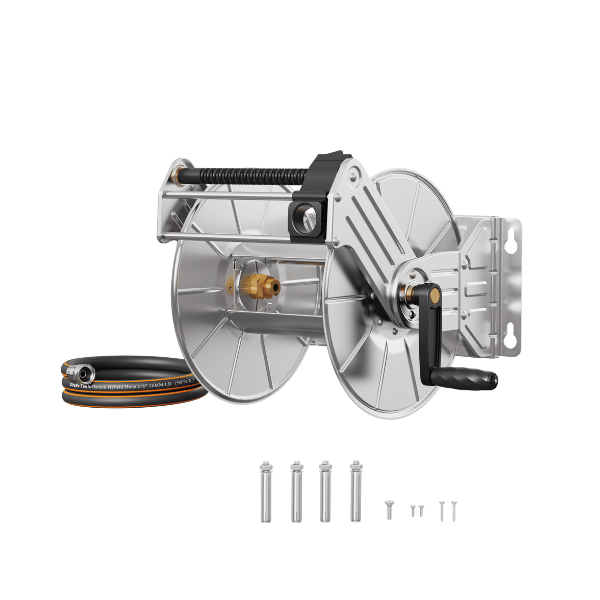
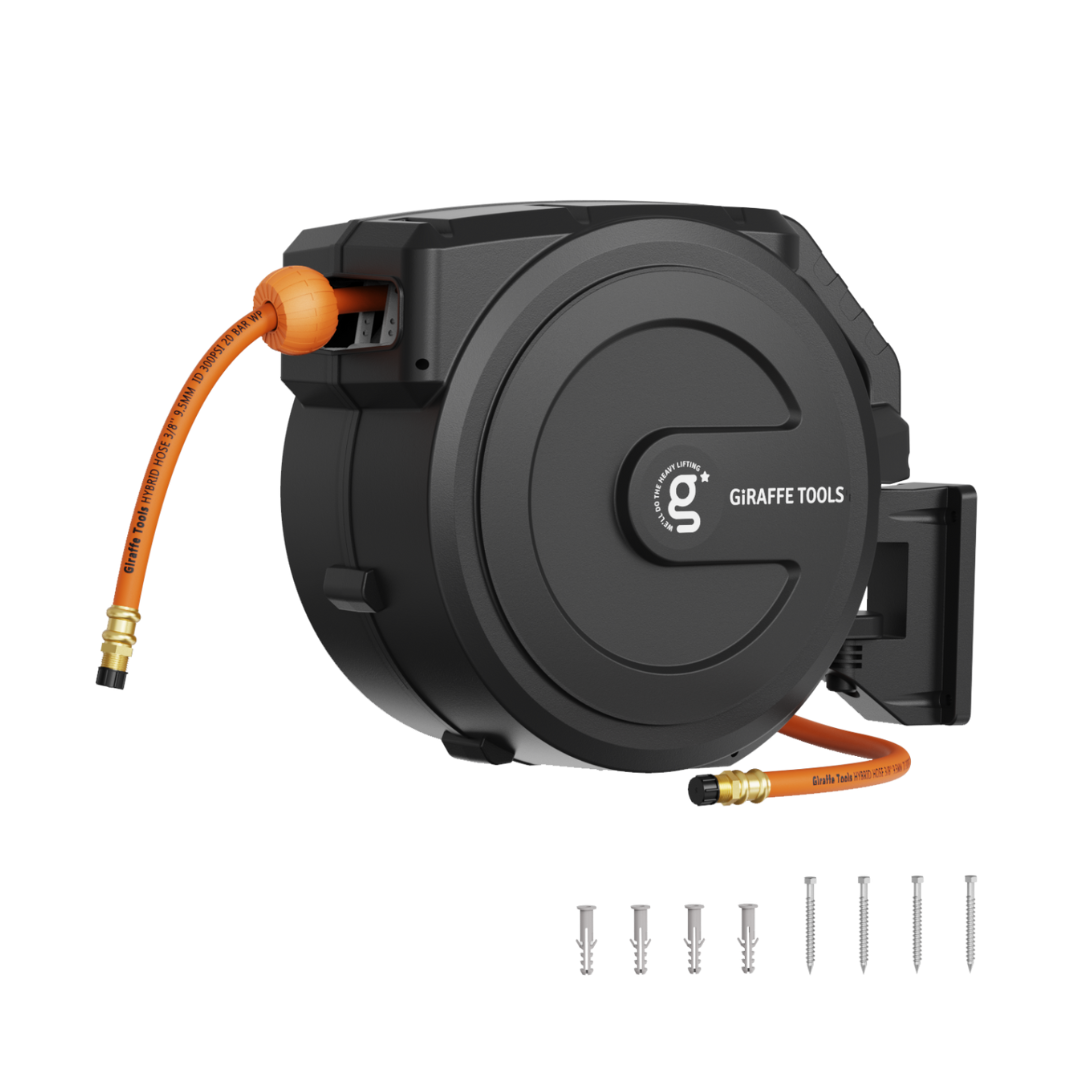
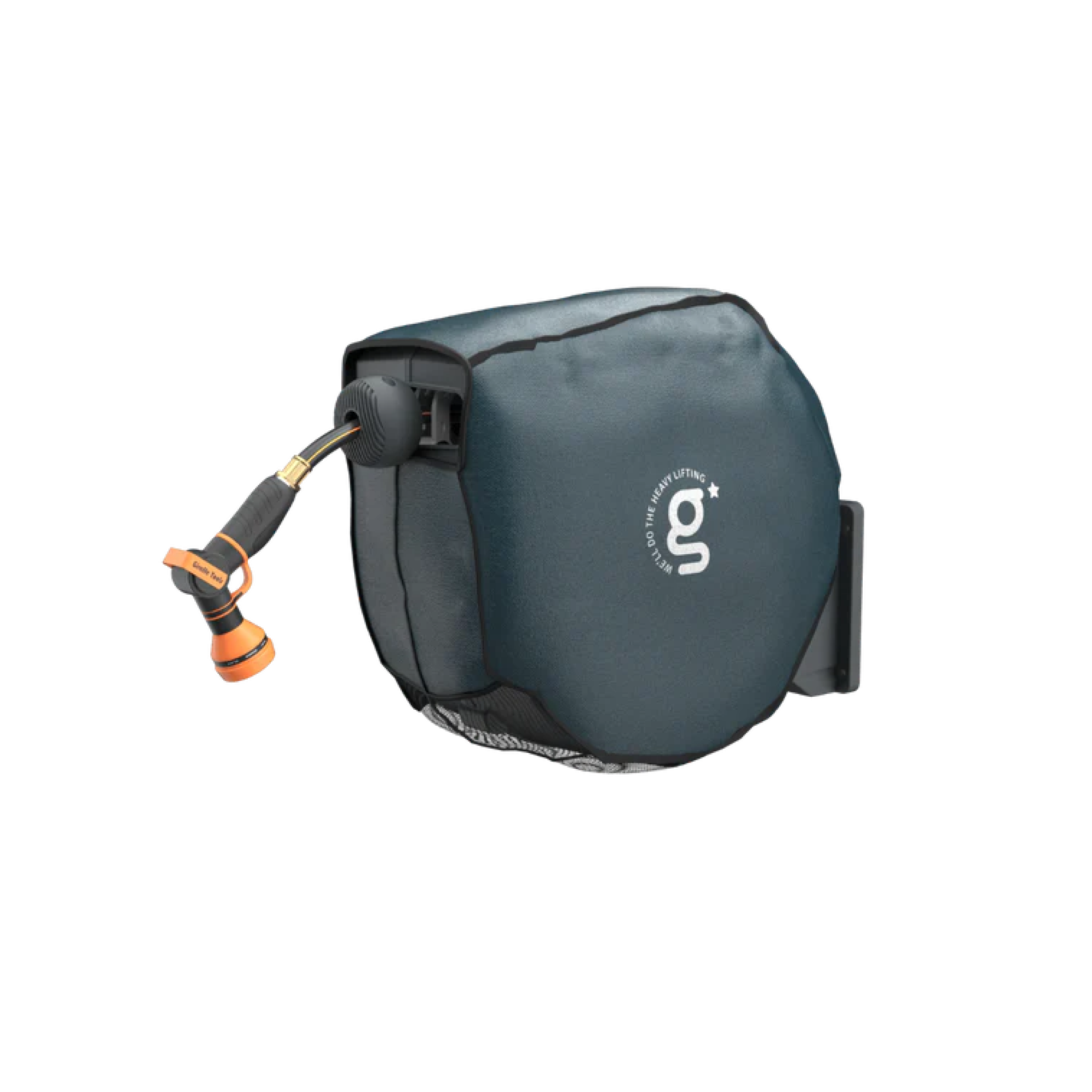
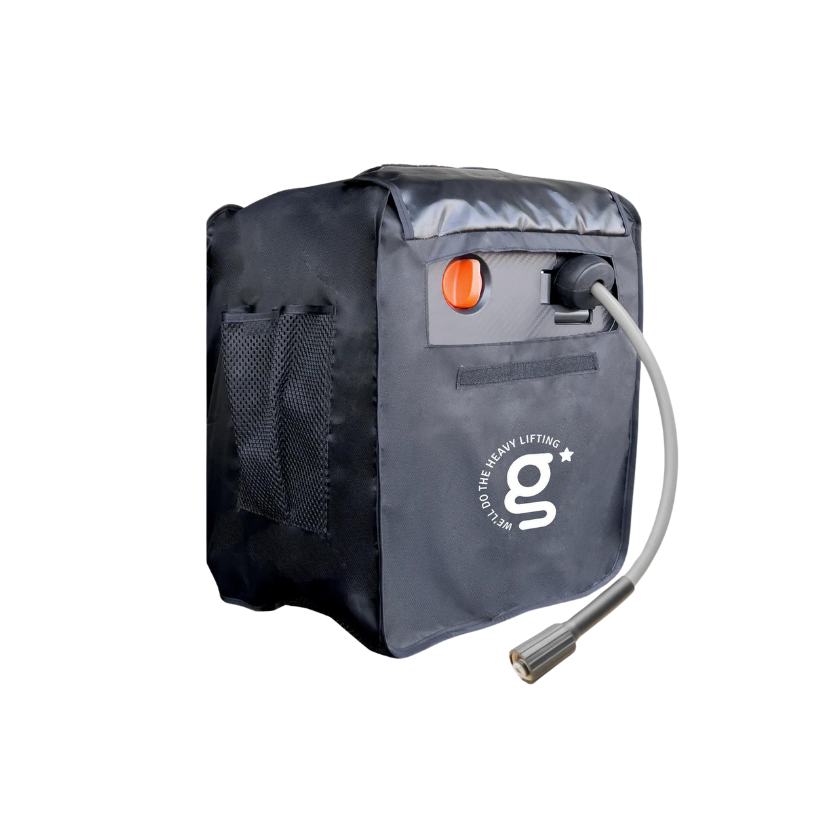
Before watering several beds, measure the hose route from the faucet around paths and corners to the farthest plant. A garden hose reel with enough reach keeps the hose ready for each session. Compare wall-mounted and ground-mounted options by hose length, rotation and the space available near your faucet.

3. Water Early in the Morning
Water between early morning and mid-morning, before the strongest sun and wind. Cooler conditions reduce evaporation, while daylight helps any wet foliage dry. Avoid watering during the hottest part of the day because more water disappears before it enters the soil.
If morning watering is impossible, water the soil in early evening and keep the leaves dry. Do not leave damp foliage overnight, especially on tightly spaced plants that already have poor airflow.
4. Aim at the Soil, Not the Leaves
Place the flow around the root zone and use a gentle shower, soaker hose or drip line. A hard jet breaks soil crust, exposes roots and splashes soil onto leaves. Move around the plant instead of pouring all the water against the stem.
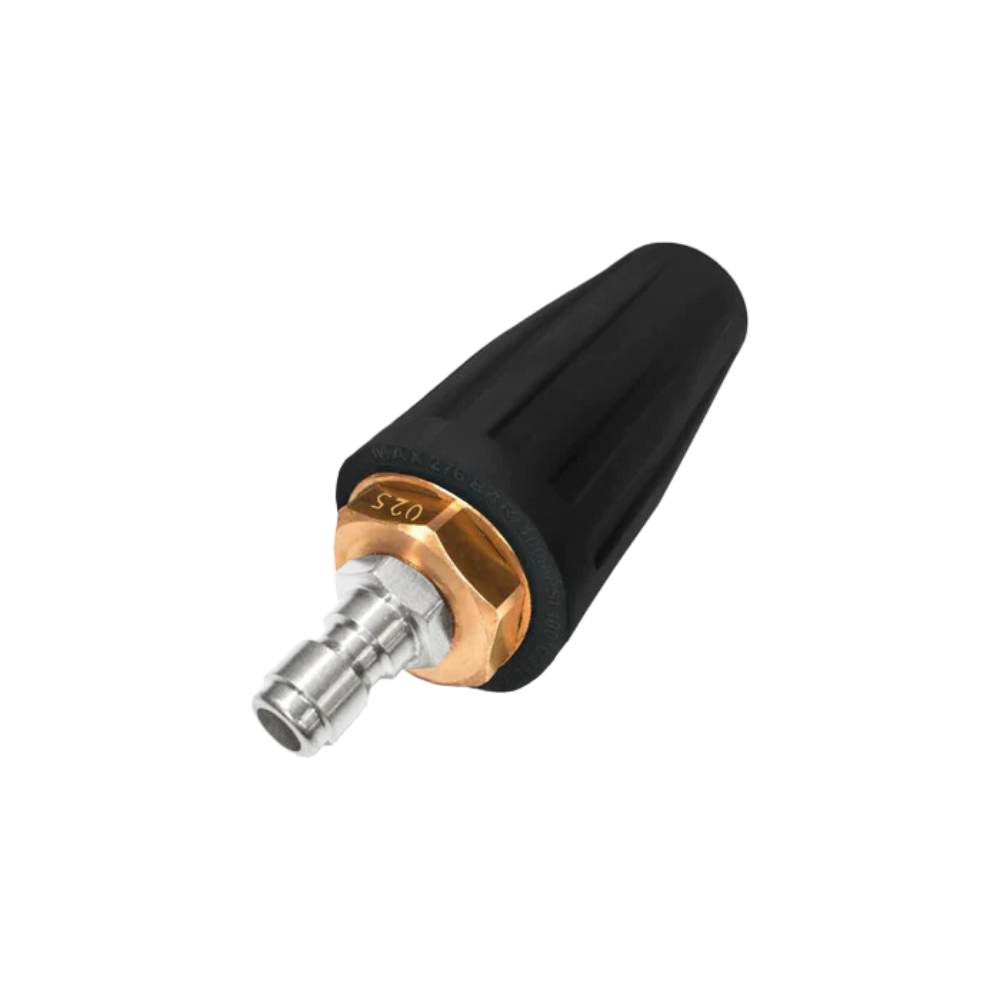
Keep the hose clear of sharp bends as you move between beds. Adjust the nozzle to a gentle flow that wets the soil without washing it away, and close the nozzle while walking to the next plant.
5. Apply Water in Two Slow Passes
Dry, compacted or sloping soil cannot absorb a large rush of water. Make one slow pass, pause for several minutes, then water again. The first pass softens the surface; the second travels deeper instead of running onto a path. Use the same method when water races down the inside edge of a pot.
If runoff starts, stop immediately. Slowing the flow, loosening the top layer of soil and adding compost improve absorption during the next session.
6. Spread Water Across the Whole Root Area
Do not return to the same small spot every time. Water around annuals and vegetables, along the full row and across the bed. For a shrub or tree, cover the soil beneath and just beyond the outer branches. Even coverage encourages roots to spread in several directions instead of gathering beside one wet point.
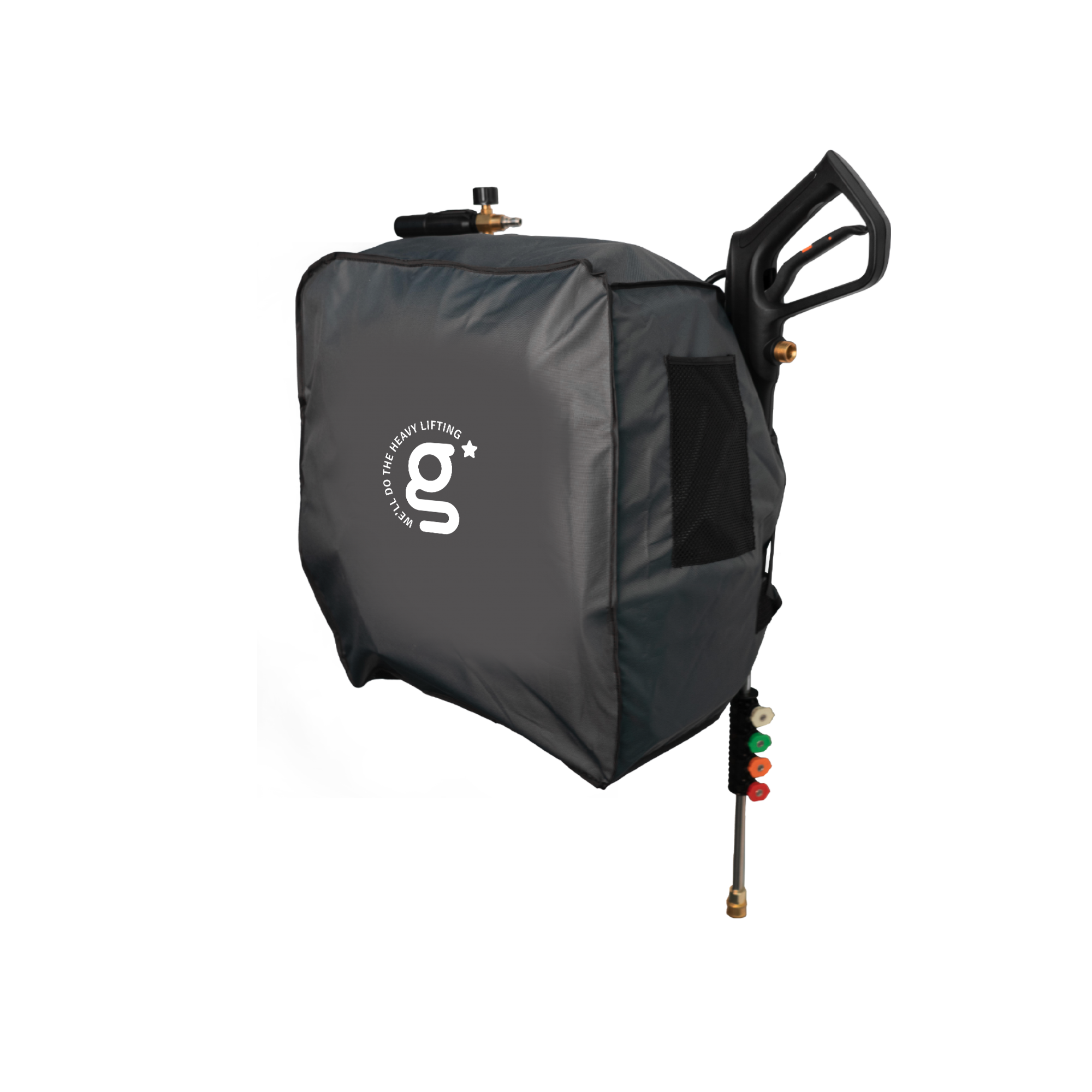
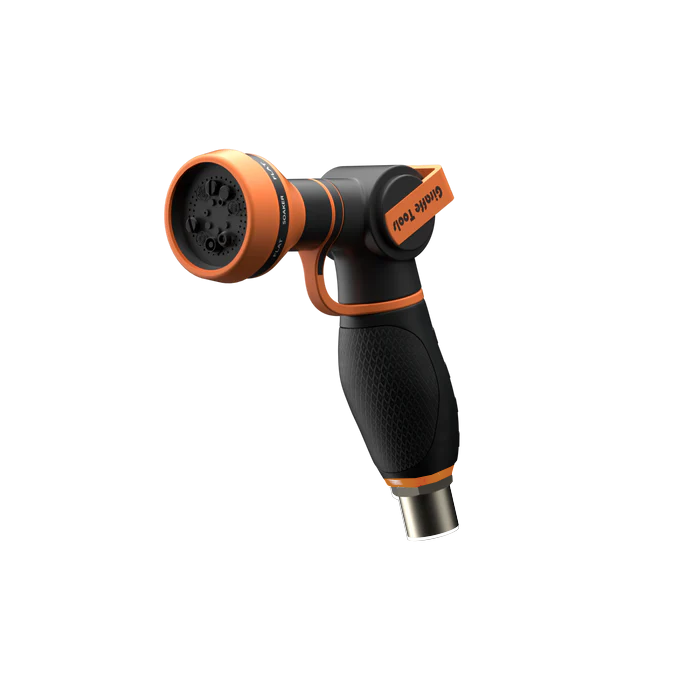
Reach matters when beds sit on opposite sides of the yard. The Giraffe Tools 100 ft retractable water hose locks at the length needed, swivels through 180 degrees and includes a nine-pattern nozzle. Use a gentle shower pattern for beds, pull out only the hose required for that area and let the auto-rewind system store it neatly after watering.
7. Match the Amount to the Plant and Soil
New seedlings need light, frequent moisture near the surface until their roots develop. Established plants need deeper watering with a drying interval. Containers dry quickly, so water until excess drains from the bottom, then empty the saucer.
Sandy soil drains quickly, so split the required water into shorter sessions. Clay soil absorbs slowly and needs a low flow with longer pauses. Loam holds a useful balance of air and moisture, but it still needs the soil check from Rule 1.
8. Adjust for Rain, Heat and Wind
Skip a scheduled watering after useful rain. Place a straight-sided container in the open garden to see how much rain or sprinkler water arrived, then check the soil depth before adding more. During hot, dry or windy weather, inspect exposed beds and containers more often because they lose moisture faster.
Do not respond to heat with a fixed daily soaking. A deep-rooted bed can still hold moisture below a dry-looking surface. Check first, then water only the areas that need it.
9. Keep Moisture in the Soil
Add 5 to 8 cm of organic mulch around established plants to slow evaporation and reduce weeds. Keep mulch several centimetres away from stems and trunks. Compost also helps sandy soil hold water and improves the structure of heavy soil.
10. Stop Waterlogging Before Roots Lose Air
Roots need oxygen as well as water. Stop watering when water remains on the surface, the soil smells sour or a container cannot drain. Yellow lower leaves, soft stems, fungus gnats and constantly wet soil point to overwatering. Clear blocked drainage holes, empty standing water and wait for the root zone to begin drying.
Do not fix poor drainage by adding another watering rule. Improve the bed with organic matter, raise low areas or move a container plant into a pot with open drainage holes.
How Do You Know Your Watering Routine Is Working?
Healthy watering produces steady new growth, firm leaves and soil that is moist below the surface but not swampy. Dig a small test hole after watering to confirm the depth. If only the top centimetre is wet, slow the flow and water longer. If water stands for a long time, divide the session and improve drainage.
Review the routine whenever the weather changes, plants become larger or containers fill with roots. The goal is not a perfect number of minutes. The goal is enough water to reach the roots, followed by enough time for air to return to the soil.
Final Thoughts
Good garden watering is simple: check the soil, soak the root zone, work early and stop before runoff or waterlogging begins. Apply these ten rules consistently, then adjust the flow and frequency to the plant, soil and weather. Your garden receives more useful moisture while you spend less time correcting shallow watering, wilt and soggy roots.
FAQs
What Are the Three Rules of Watering?
Water deeply, direct water at the roots and water early in the morning. These three rules reduce evaporation, keep leaves drier and move moisture below the surface where roots can use it.
Is Watering for 20 Minutes Enough?
Twenty minutes is enough only when the soil is moist at the required root depth. Check 10 to 15 cm down after watering. With a Giraffe Tools nine-pattern nozzle, use a gentle shower and adjust the time until that depth is evenly moist.
How Can I Water My Plants While Away for Two Months?
Install a timer-controlled drip or soaker system and test every zone for at least one week before leaving. Ask someone to check the plants, faucet and timer regularly because a two-month absence is too long to rely on an unmonitored setup.
What Is the Best Watering Method?
Drip irrigation works best for fixed rows and beds because it delivers water slowly at soil level. For mixed beds and containers, a Giraffe Tools retractable hose reel with an adjustable nozzle gives direct control over flow, reach and spray pattern.
Do Plants Need to Be Watered Daily?
No. Established garden plants grow stronger with deep watering followed by a drying interval. Water seedlings and containers more often, but check the soil first and water only when the root zone needs moisture.


