













To winterize a pressure washer in Canada, flush out detergent, switch off the machine, release trapped pressure, drain every water-carrying part, protect the pump with a manufacturer-approved product and store the unit in a dry, frost-free place. Gas models also need fuel preparation, while battery models need the battery removed and stored according to its manual. Complete the job before the first overnight freeze—not after water has already frozen inside the pump.
Why Must You Winterize a Pressure Washer in Canada?
Water trapped inside a pump, valve, hose or fitting expands when it freezes. The resulting force can split seals, crack housings and damage small internal passages that are difficult to inspect. A cover keeps off rain and snow, but it does not keep the machine above 0°C.
An unheated garage or shed is not automatically safe either. If the room follows the outdoor temperature, treat it as a freezing location. Winterizing removes the water that creates the risk; frost-free storage adds a second layer of protection.
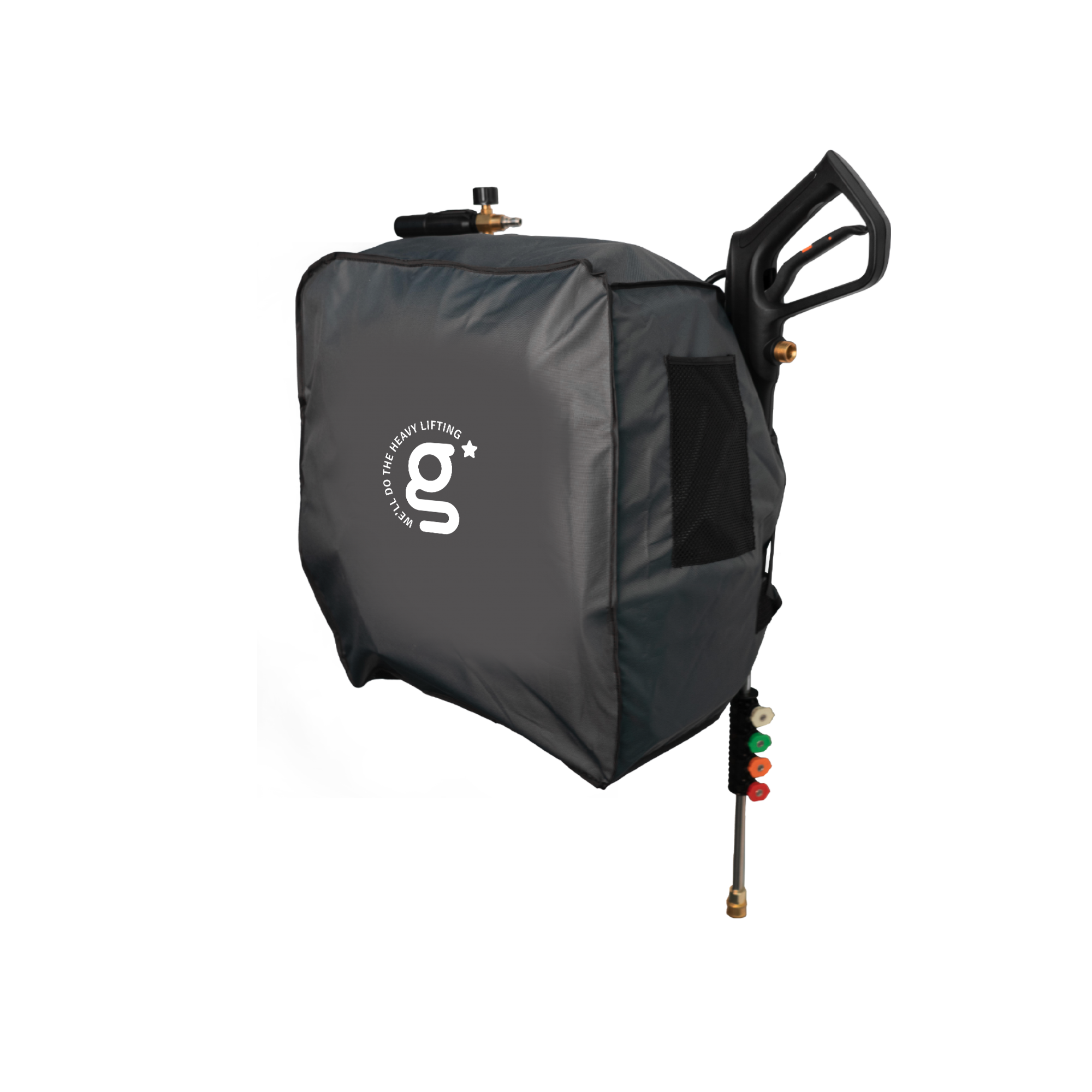
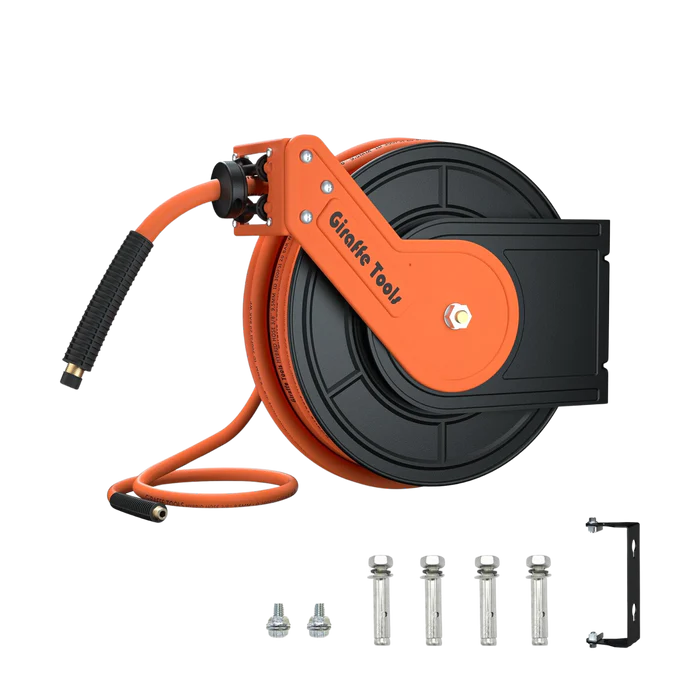
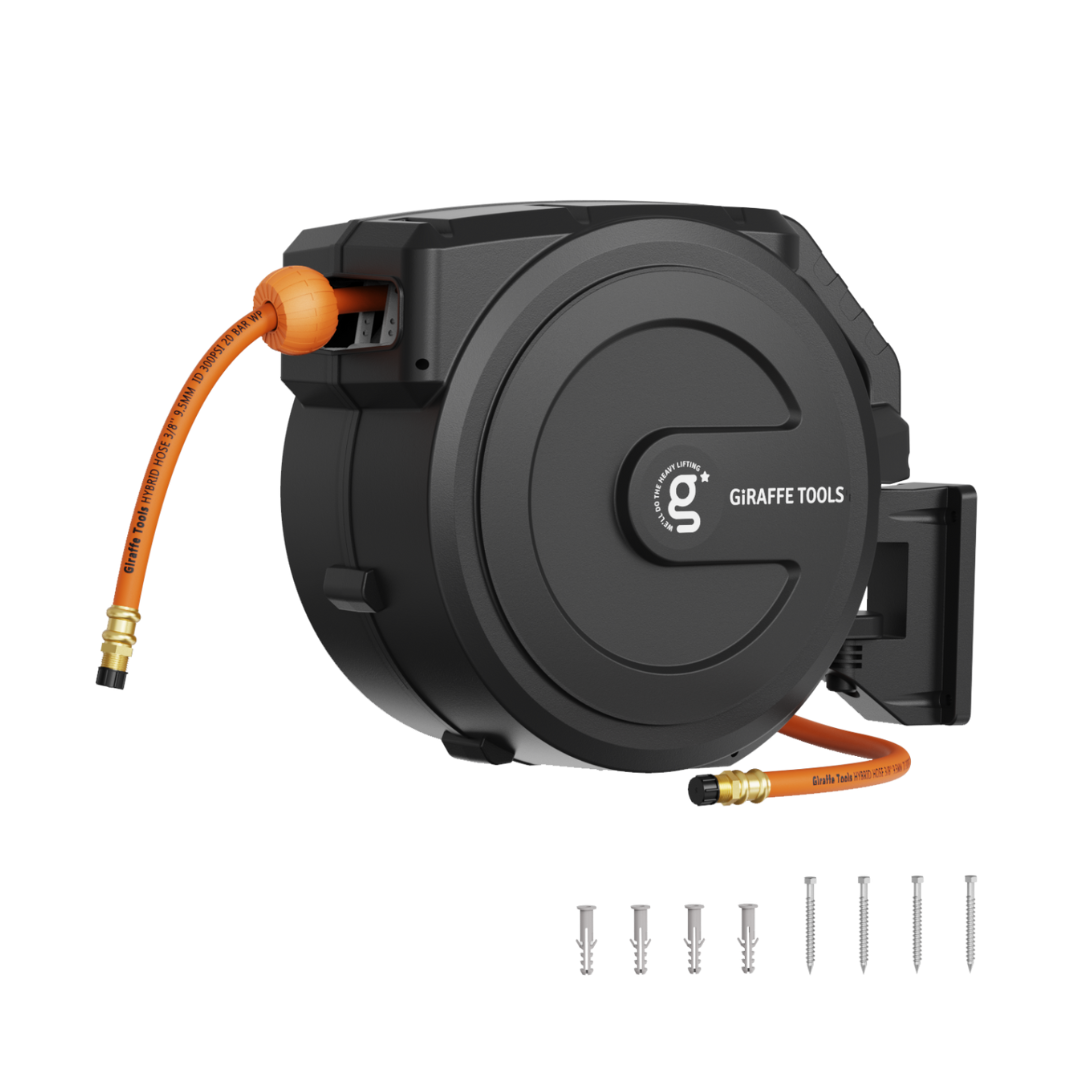
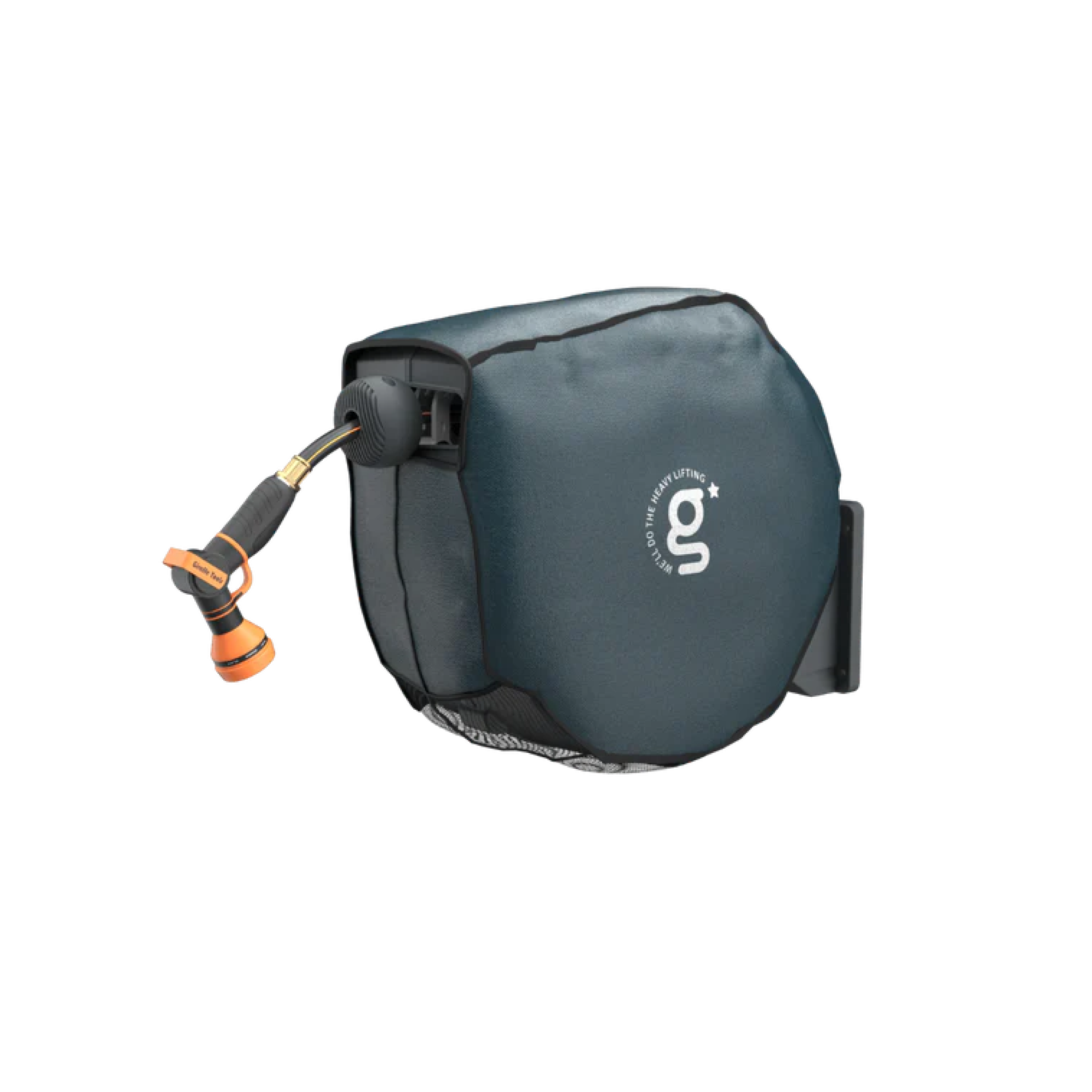
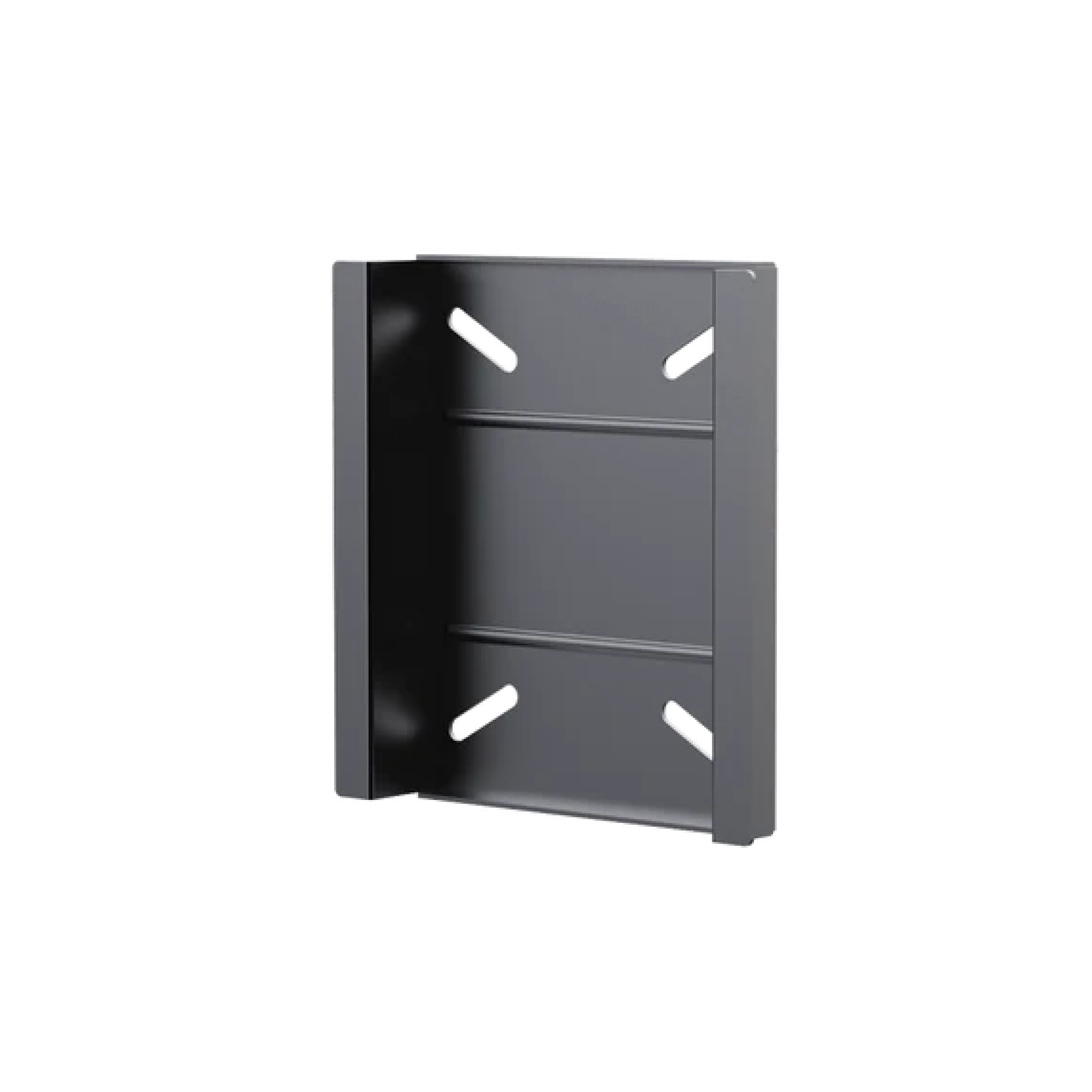
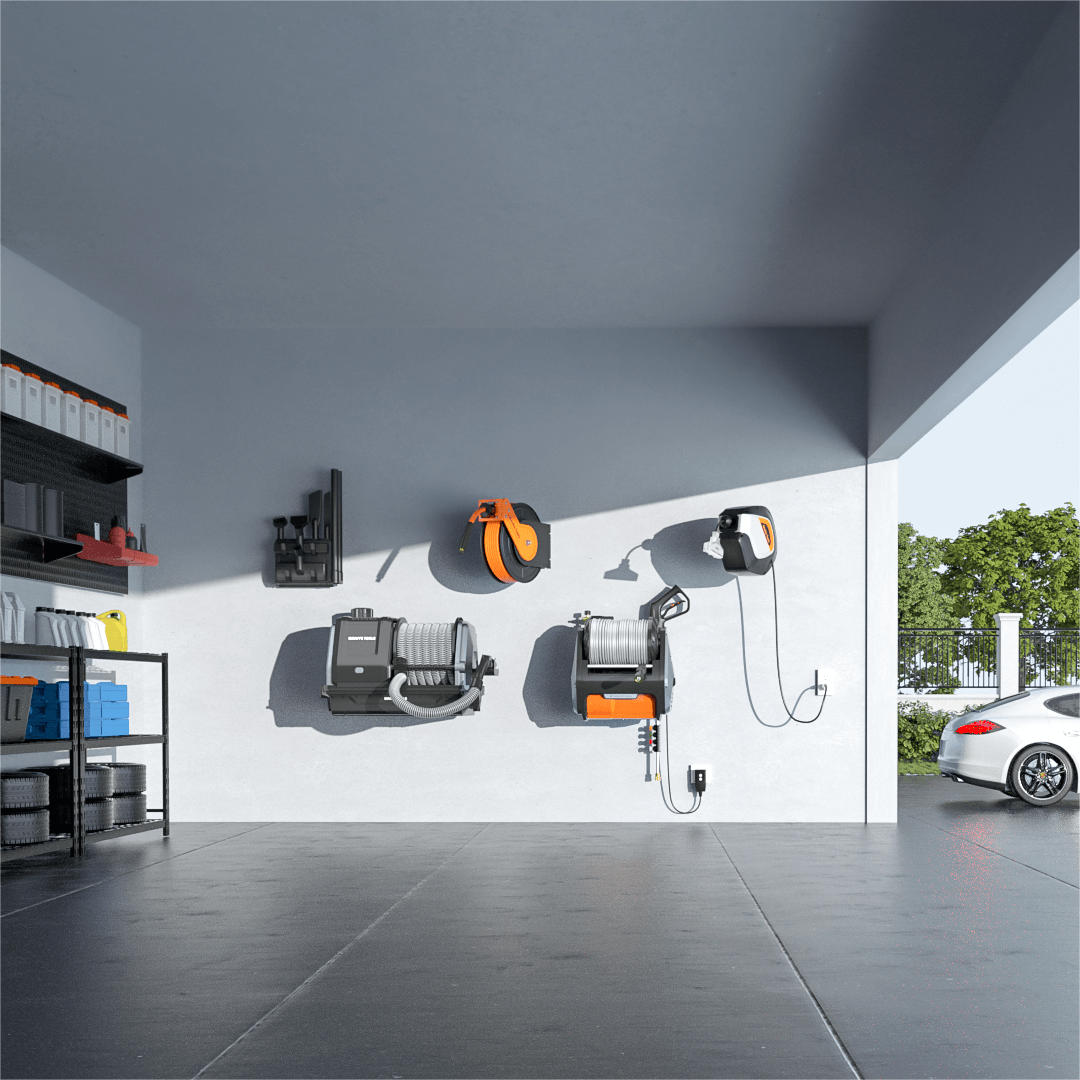
This matters even more for an outdoor-mounted setup. A wall mounted pressure washer keeps the hose and cleaning tools organised during the season, but it still needs to be drained and moved indoors when the manufacturer calls for winter storage. Check how easily the unit releases from its bracket before cold weather arrives.

What Do You Need Before Winterizing?
Set aside the product manual, clean tap water, a bucket or towel, a soft cloth and the pump-protection product specified by the manufacturer. A gas model also needs the correct fuel stabilizer if its manual recommends treated fuel. Keep a small container ready for removable nozzles, O-rings and connectors so they do not disappear over winter.
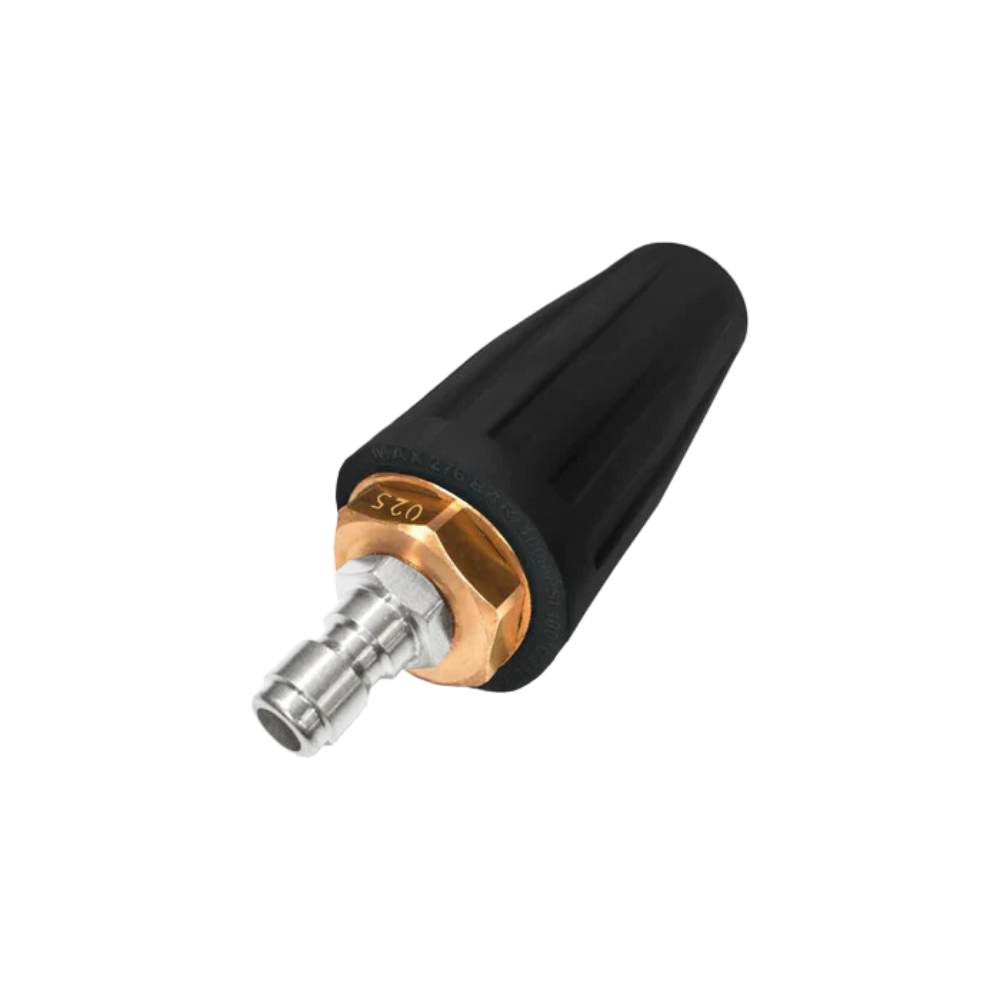
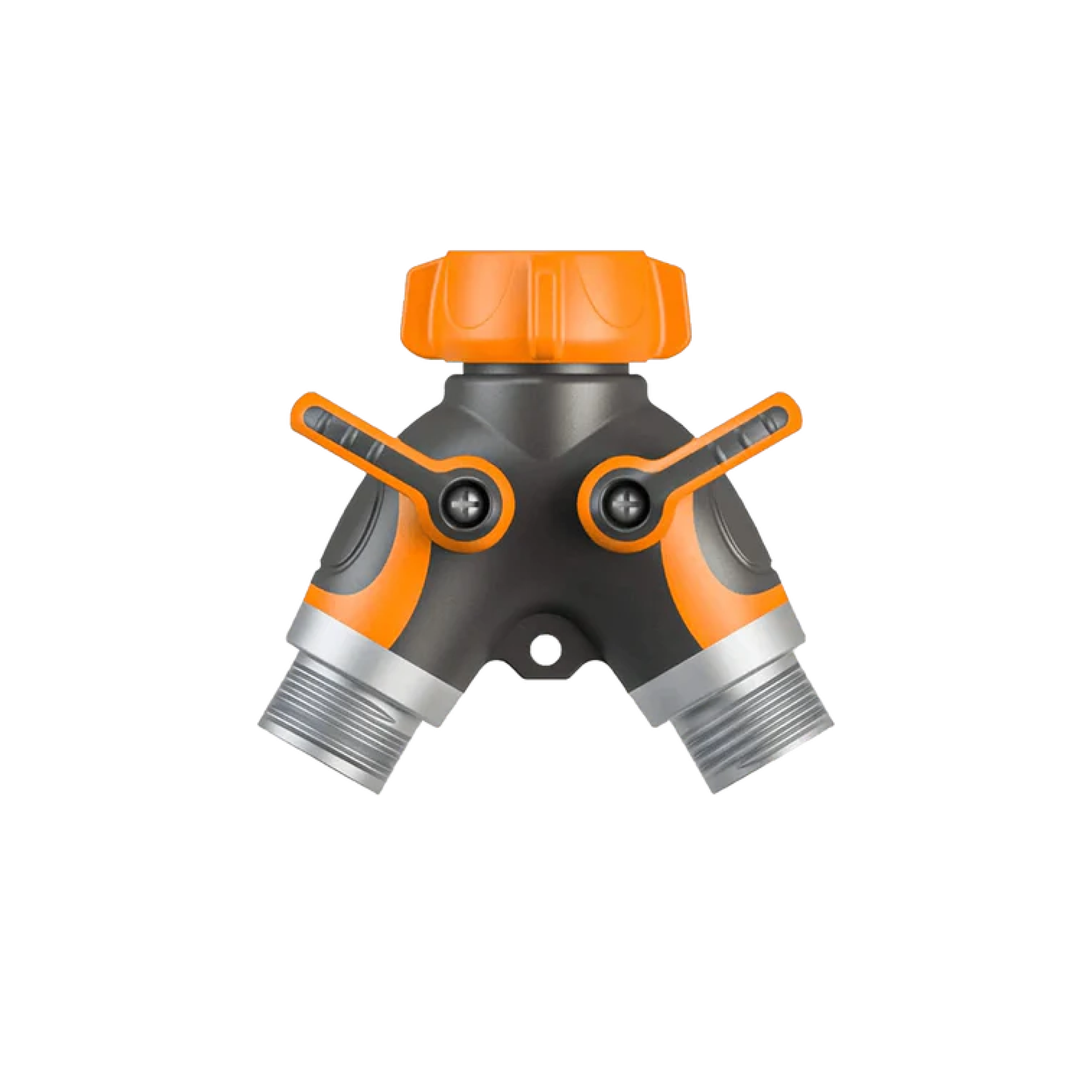
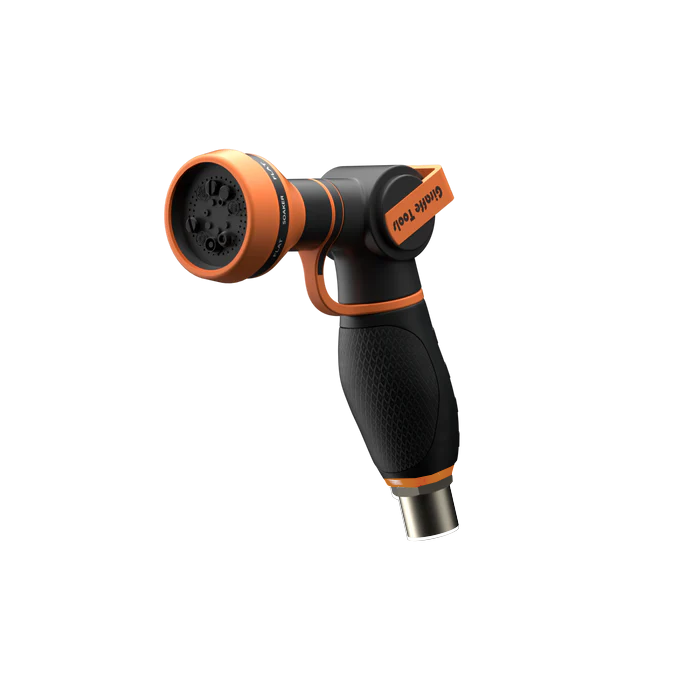
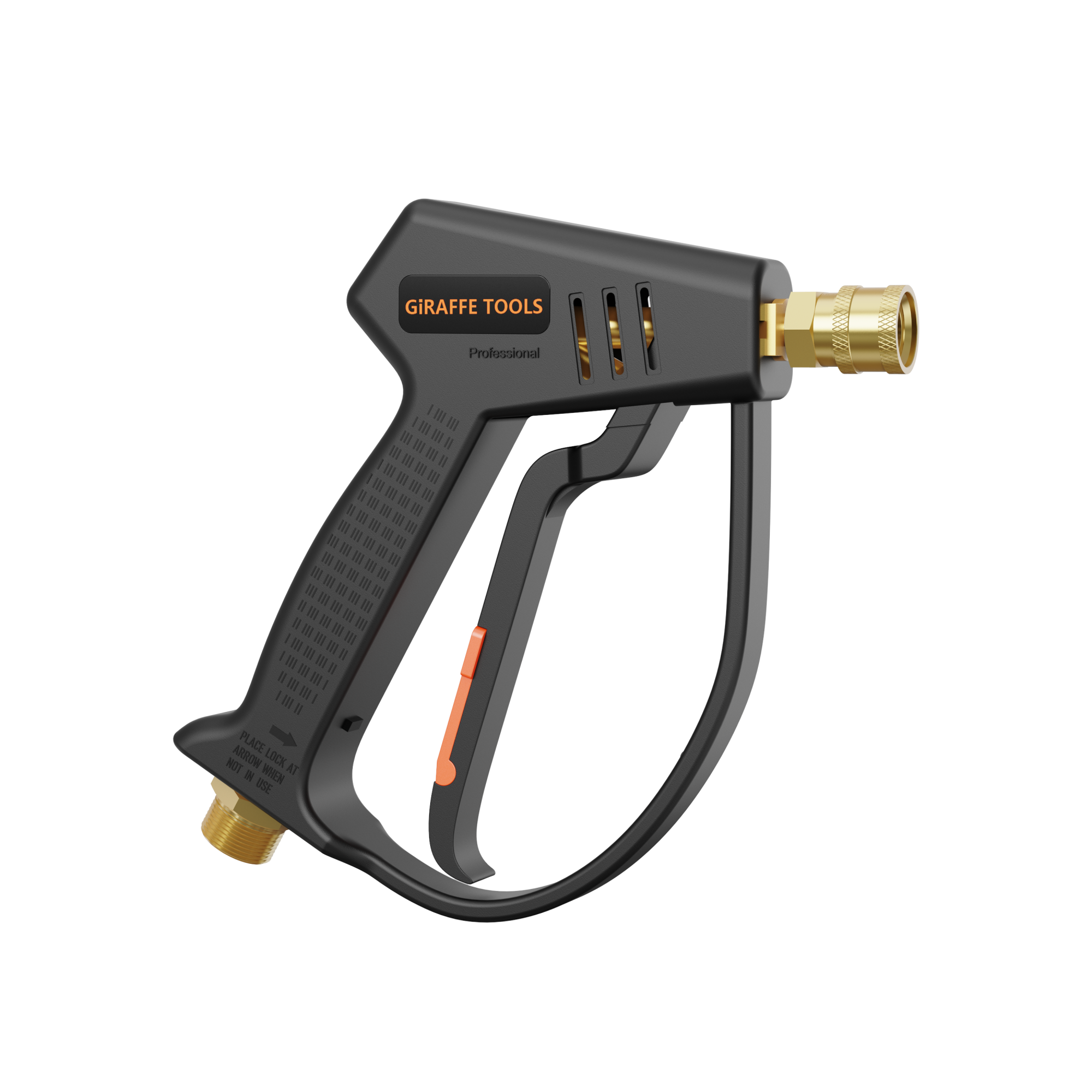
Inspect the gun, wand, inlet screen and quick-connect fittings while they are already disconnected. If a seal, nozzle or connector is worn, use compatible pressure washer accessories rather than forcing a poor-fitting part back into service. Do not assume an accessory fits simply because the connector looks similar.
Use only a pump protector, pump saver or antifreeze solution that the pressure washer manual approves. Do not pour automotive antifreeze, windshield washer fluid or a homemade vinegar mixture into the machine. The wrong chemical can attack seals or metal parts, and used antifreeze requires proper disposal.
How Do You Winterize a Pressure Washer Step by Step?
1. Flush Detergent Out of the System
Remove the detergent tube from the soap container or empty the detergent tank as directed in the manual. Feed clean water through the low-pressure soap setting until the discharge runs clear. This prevents detergent from drying in the injector, hose or pump during months of storage.
2. Shut Down and Release Pressure
Turn off the pressure washer, close the water supply and unplug an electric unit. For a gas model, stop the engine and let hot parts cool. Point the spray gun in a safe direction and squeeze the trigger until the remaining pressure is gone. Engage the trigger lock before disconnecting anything.
3. Disconnect and Drain Every Water Line
Remove the garden hose, high-pressure hose, spray gun, wand, detergent tube and nozzle. Hold each hose with one end lower and work along its length so water can leave instead of settling in a low loop. Drain the gun and wand in several positions, then wipe the connectors dry.
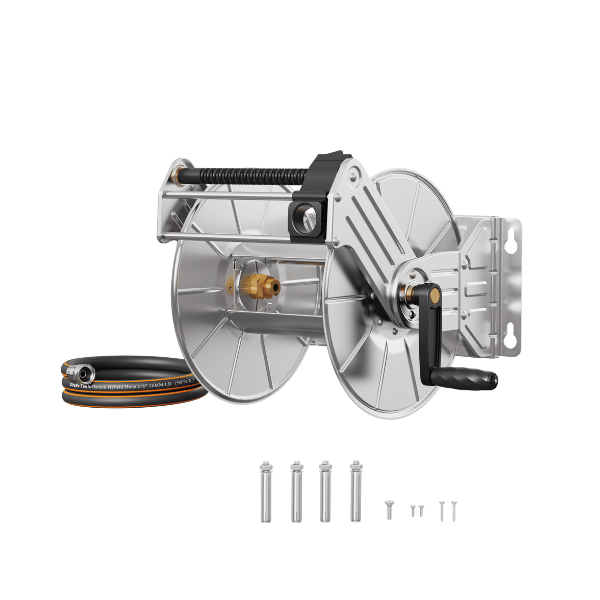
Do not kink a hose or pull it tightly around a small hook for storage. A relaxed coil or the reel’s normal retraction path protects the hose wall. Store loose nozzles in a labelled container after they are dry.
4. Protect the Pump
Follow the model-specific instructions for clearing and protecting the pump. Some machines accept an approved pump protector through the water inlet; others use a different fitting or procedure. Dispense the product only for the time and amount stated in the manual. Do not keep running a pressure-washer pump without water unless the manufacturer gives a short, explicit draining instruction.
5. Clean Filters, Nozzles and Seals
Rinse the water-inlet screen and let it dry. Clear nozzle debris with the supplied cleaning needle, working from the outlet end as the manual directs; never enlarge the opening with a drill bit or heavy wire. Check O-rings for flattening, cuts or brittleness, and lightly lubricate them only with a product approved for the machine.
6. Dry and Label the Parts
Wipe the housing and fittings, then leave the disconnected parts long enough for surface moisture to evaporate. Group the gun, wand, nozzles and detergent parts together. A short label noting the pump protector used and the storage date makes spring startup simpler.
What Changes for Electric, Gas and Battery Models?
Electric Pressure Washers
Unplug the cord before releasing pressure or removing fittings. Inspect the GFCI plug and cord for damage, keep them dry and store them loosely coiled. Electric models have no fuel system, but their pumps, hoses and fittings still contain water and require the same freeze protection.

Gas Pressure Washers
Treat the fuel exactly as the engine manual states. Many manufacturers call for fresh fuel stabilizer followed by a brief engine run so treated fuel reaches the system; others specify draining for long storage. Check the engine oil, clean around the air filter and never store a warm machine beside fuel, paint or another ignition source.
Battery Pressure Washers
Remove the battery after draining the water system. Wipe the pack dry and store it in the temperature range stated by the battery manufacturer, away from moisture and metal objects. Use the specified charger and storage-charge instructions rather than leaving the pack in a freezing shed all winter.
Where Should You Store It for a Canadian Winter?
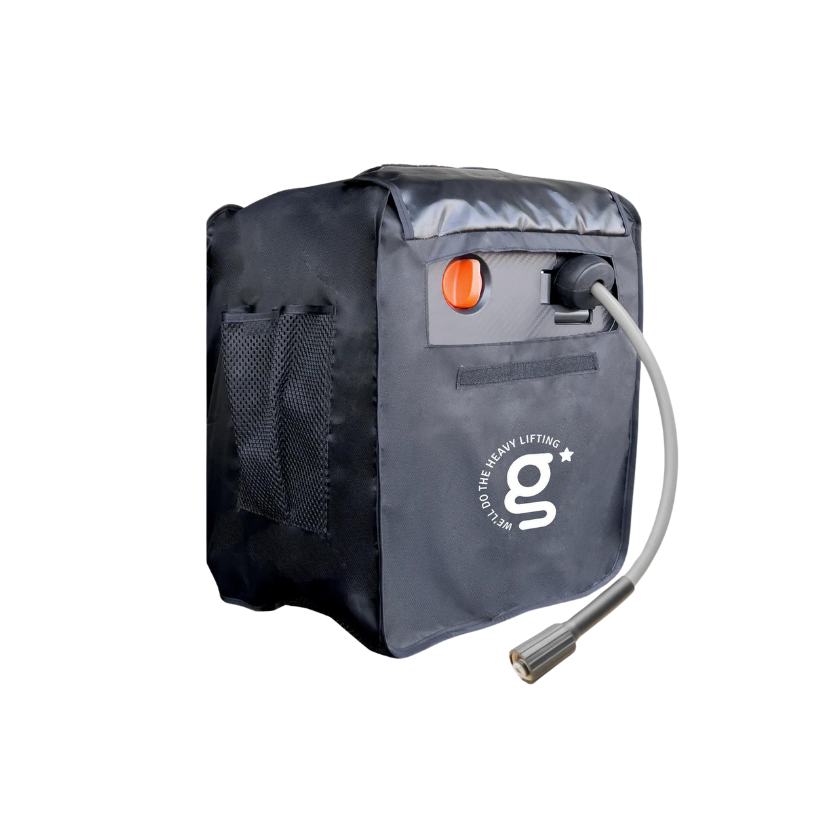
Choose a dry indoor location that remains above freezing. Keep the machine upright in its intended position, away from floor drains, de-icing salt and standing water. A breathable dust cover is useful after the unit is completely dry; a tightly sealed plastic cover can trap condensation.
For a retractable or wall-mounted model, drain the long hose fully before allowing it to rewind. Inspect the mounting bracket, then use the approved release procedure instead of lifting or prying the housing. Bring the machine, gun, wand and nozzles indoors together so no water-filled accessory is left behind.
How Can You Make Spring Startup Easier?
Before storing the unit, photograph the hose and accessory connections and place the manual with the machine. In spring, inspect the pump housing, hose and fittings for cracks or leaks. Reconnect the water supply, turn it on fully and purge air through the spray gun before applying power. Start with the widest suitable nozzle and test the spray away from delicate surfaces.
If the pump cycles, leaks or produces an uneven pulse, stop and inspect the inlet screen, water supply, nozzle and connections before continuing. Do not try to overcome a blockage by selecting a narrower nozzle.
If long reach and serviceable hose storage are priorities for the next cleaning season, the Grandfalls Retractable Pressure Washer Pro uses a 100 ft replaceable high-pressure hose, automatic rewind and four quick-connect nozzles. It suits larger driveways and multi-area cleaning.
Which Winterizing Mistakes Cause Damage?
- Waiting until after the first freeze. Winterize before overnight temperatures reach 0°C.
- Draining the hose but forgetting the pump, spray gun, wand or detergent injector.
- Leaving a wall-mounted unit outside under a cover and treating the cover as freeze protection.
- Using automotive antifreeze, windshield washer fluid or another unapproved chemical.
- Running the pump dry longer than the manual permits.
- Ignoring stabilized fuel, engine oil or battery-storage instructions for the power source.
- Putting damp parts into sealed plastic, where condensation and corrosion can develop.
Conclusion
Confirm that detergent has been flushed out, pressure has been released, every water line is drained, the pump has the approved protection and the power source is prepared. Store all parts together in a dry, frost-free room. Those steps protect the pump and make the first spring cleaning job a normal setup rather than a repair.
FAQs
How Long Can Gas Sit in a Pressure Washer Before It Goes Bad?
Untreated gasoline can begin to deteriorate in about 30 days. Before seasonal storage, follow the engine manual: add the specified fuel stabilizer and circulate the treated fuel, or drain the system if the manufacturer directs you to do so.
Can a Pressure Washer Be Left Outside?
Do not leave it outside through a Canadian winter. A weather cover blocks rain and snow but does not prevent freezing. Drain and protect the pump, disconnect the accessories and move the unit to a dry location that stays above 0°C.
How Do You Start a Pressure Washer After Winter?
Inspect the hose, seals and pump for damage, connect the water supply and turn it on fully. With the machine off, hold the trigger until water flows steadily and trapped air is gone. Then connect the power source, start the unit and test it with a wide-angle nozzle.
How Cold Is Too Cold for Pressure Washing?
Do not operate a pressure washer at or below 0°C because water can freeze on the surface, inside fittings and in the pump. Check the model’s stated operating range as well; if its minimum temperature is above 0°C, follow that higher limit.
Do Pressure Washers Need to Be Winterized?
Yes, whenever the machine will be stored where temperatures can reach freezing. Electric, gas and battery models all retain water in their pumps, hoses or fittings, so each one must be flushed, drained, protected and stored above freezing.


