










A wall mounted pressure washer can clean far more than a driveway. With the right nozzle, distance and detergent, it can refresh patio furniture, bins, sports gear, garden tools and other outdoor items. These 18 practical uses focus on durable, water-safe surfaces and explain where lower pressure or a test spot matters.
What Can You Safely Clean With a Pressure Washer?
Sound concrete, masonry, many metal tools and manufacturer-approved outdoor equipment are usually good candidates. Painted, sealed, flexible or ageing materials need more care. Begin with a 40-degree nozzle, stand farther back than you think necessary and test a hidden area before moving closer. Never aim the spray at people, pets, electrical fittings or pressurized components.
Because these surfaces tolerate different levels of force, an electric pressure washer should be matched by usable PSI, water flow and nozzle options rather than the largest maximum-pressure figure alone.

Which Home Surfaces Can a Pressure Washer Refresh?
1. Driveways and Concrete Garage Floors
A garage pressure washer can remove tracked-in soil and loose grime from sound concrete floors as well as the adjoining driveway. Sweep first, pretreat greasy marks with a compatible cleaner and use overlapping passes. Keep runoff out of storm drains when it contains detergent, oil or other contaminants.
2. Walkways, Steps and Pavers
A fan spray lifts dirt from textured paths and front steps. Avoid directing the jet into paver joints, where it can remove jointing sand. Refill damaged joints only after the surface has dried.
3. Patios and Pool Surrounds
Clean durable concrete or stone around seating and recreation areas. Check the surface maker's instructions, move lightweight objects away and keep the wand pointed away from the pool so dirty runoff does not enter the water.
4. Brick and Stone Walls
Use moderate pressure on sound masonry to remove surface soil and organic growth. Test mortar first and avoid old, crumbling joints. Painted brick, soft stone and historic masonry may require low-pressure washing or professional care.
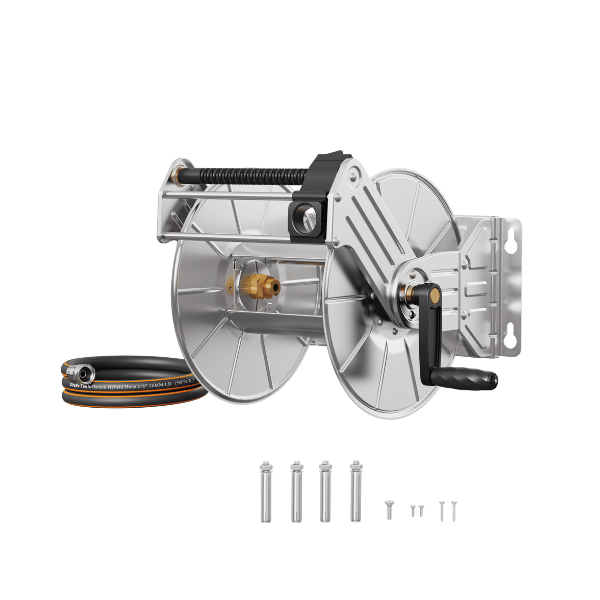
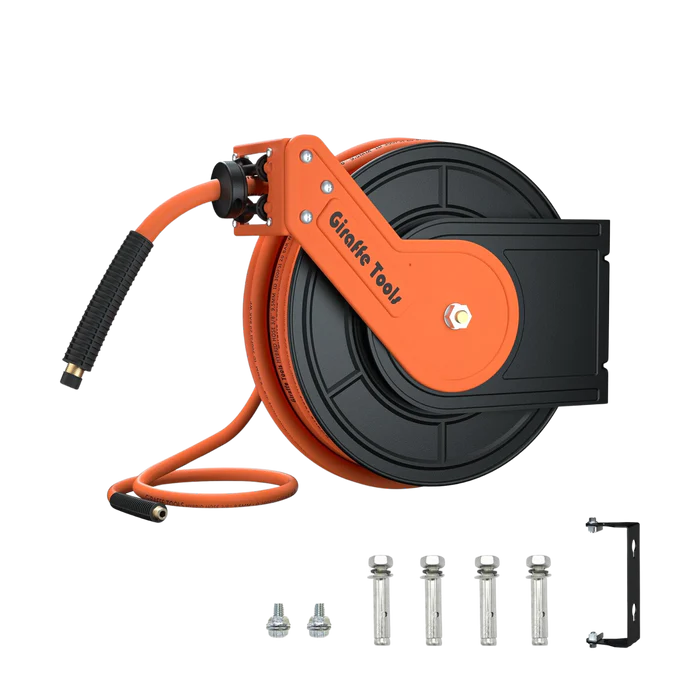
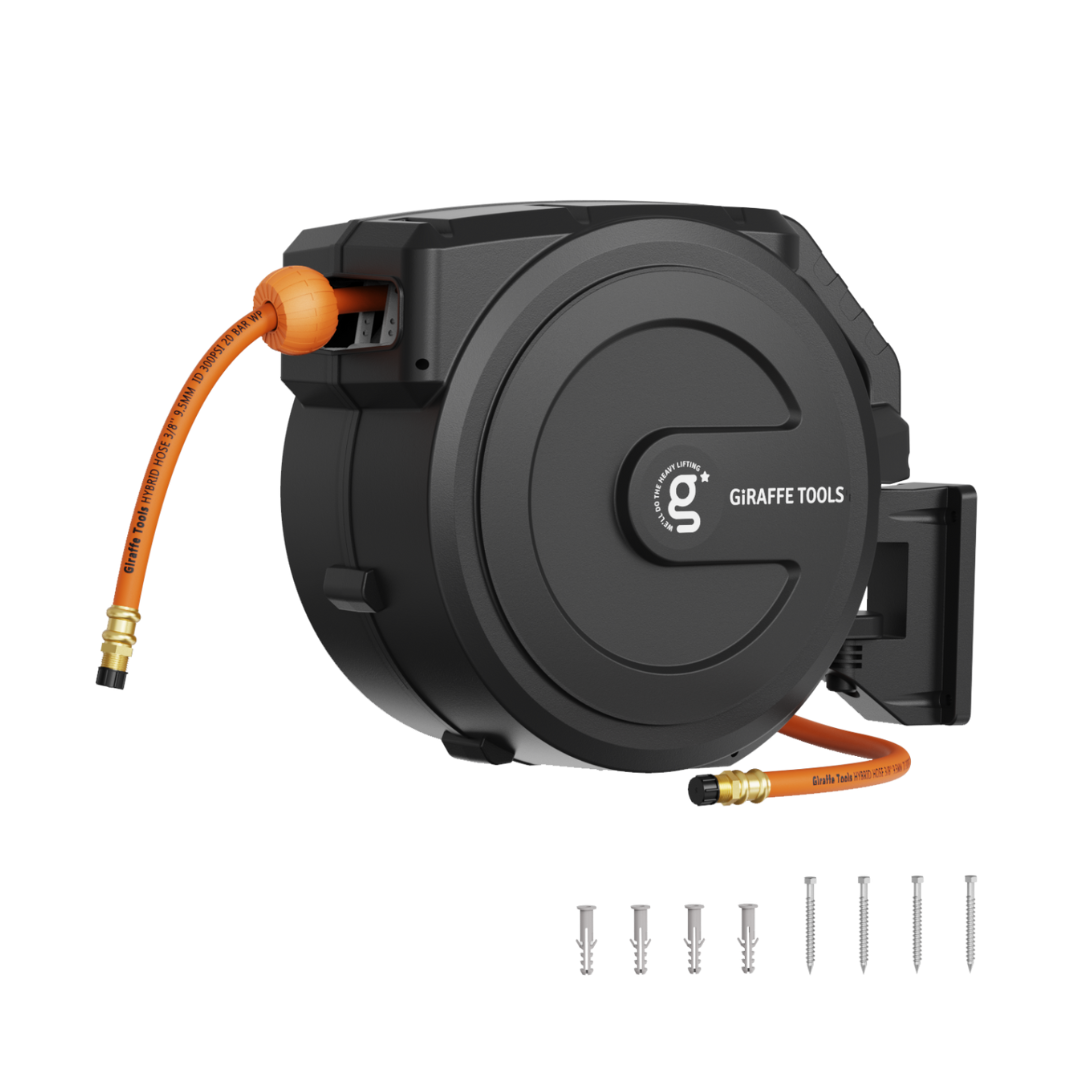
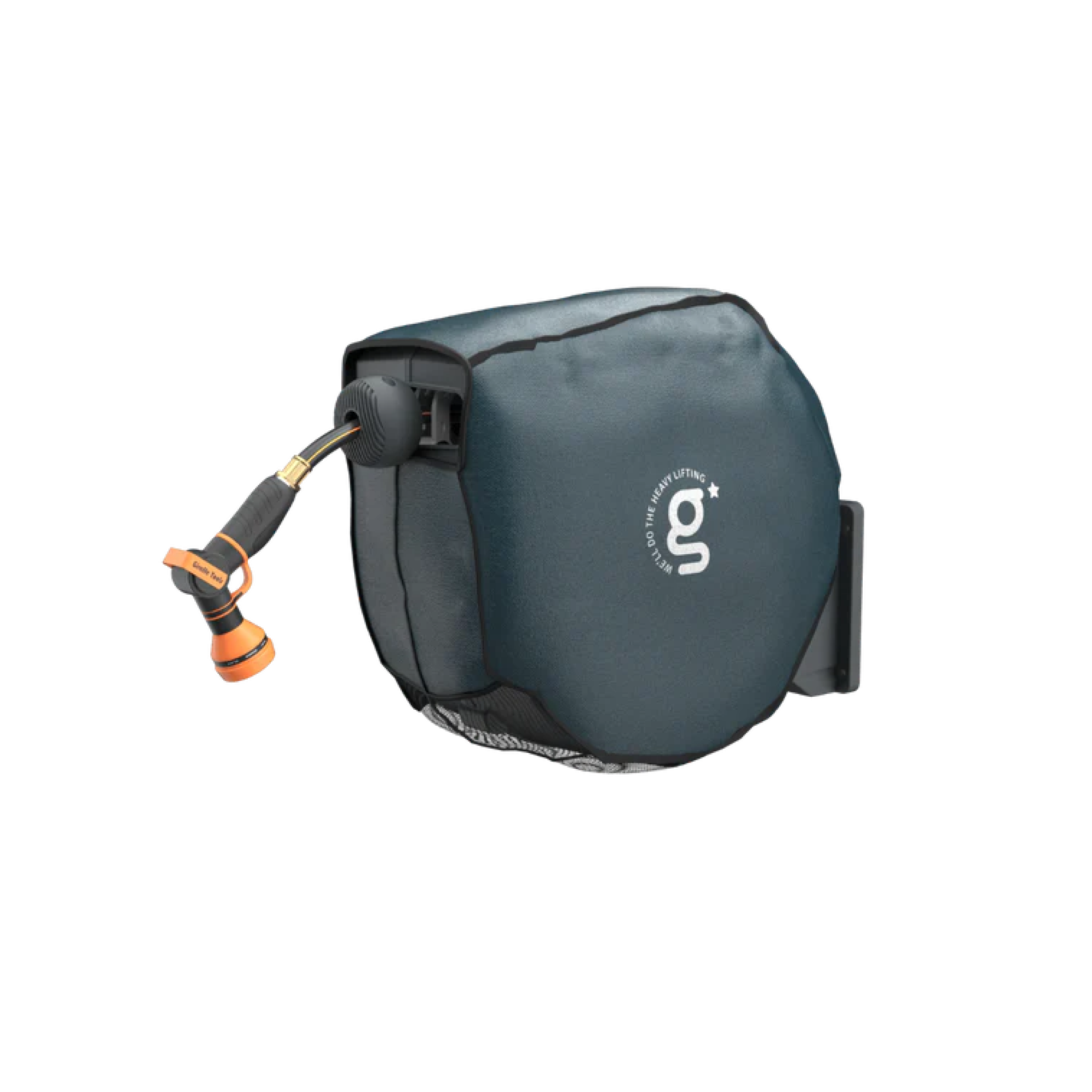
Driveways, patios and exterior walls can sit far apart, so repeated repositioning becomes part of the job. A retractable pressure washer adds long-hose reach and automatic rewind, making it easier to move between these areas and store the hose neatly when the larger cleanup is finished.
5. Fences
Rinse vinyl or sound metal fencing with a wide spray. For wood, use low pressure, follow the grain and keep moving to avoid raised fibres and stripes. Let wood dry fully before staining or sealing.
6. Decks
A pressure washer can refresh manufacturer-approved wood or composite decking, but excessive force can scar boards or damage seams. Use the widest suitable nozzle, work along the boards and follow the decking maker's pressure limit.

What Yard Items Are Easier to Pressure Wash?
7. Patio Furniture
Wash durable resin, metal and manufacturer-approved furniture from a safe distance. Remove cushions unless their care label allows pressure washing. Use lower pressure around wicker, loose paint, joints and weathered wood.
8. Outdoor Rugs
Only wash rugs labelled for outdoor use. Lay the rug on a clean hard surface, test a corner and use a broad spray from a distance. Rinse thoroughly and dry both sides before returning it to a deck.
9. Garbage, Recycling and Compost Bins
Empty the bin, remove loose residue and wash it where wastewater can be managed appropriately. A wide spray reaches corners without hand scrubbing. Use an approved cleaner for odour, rinse well and leave the lid open to dry.
10. Barbecue Exteriors and Removable Grates
Disconnect fuel or power and let the barbecue cool completely. Clean removable, manufacturer-approved parts away from burners, igniters, controls and electrical components. Dry metal thoroughly before reassembly to reduce corrosion.
11. Garden Tools and Wheelbarrows
Knock soil from shovels, rakes, carts and wheelbarrows before it hardens. Avoid bearings, wooden handles and powered-tool housings. Dry metal parts and apply appropriate protection where the manufacturer recommends it.
12. Playsets and Durable Outdoor Toys
A low-pressure fan can rinse mud from sturdy plastic play equipment and ride-on toys. Check labels first and avoid decals, electronics, openings and worn plastic. Keep children away until the equipment and surrounding ground are dry.
What Makes Frequent Outdoor Cleaning Easier?
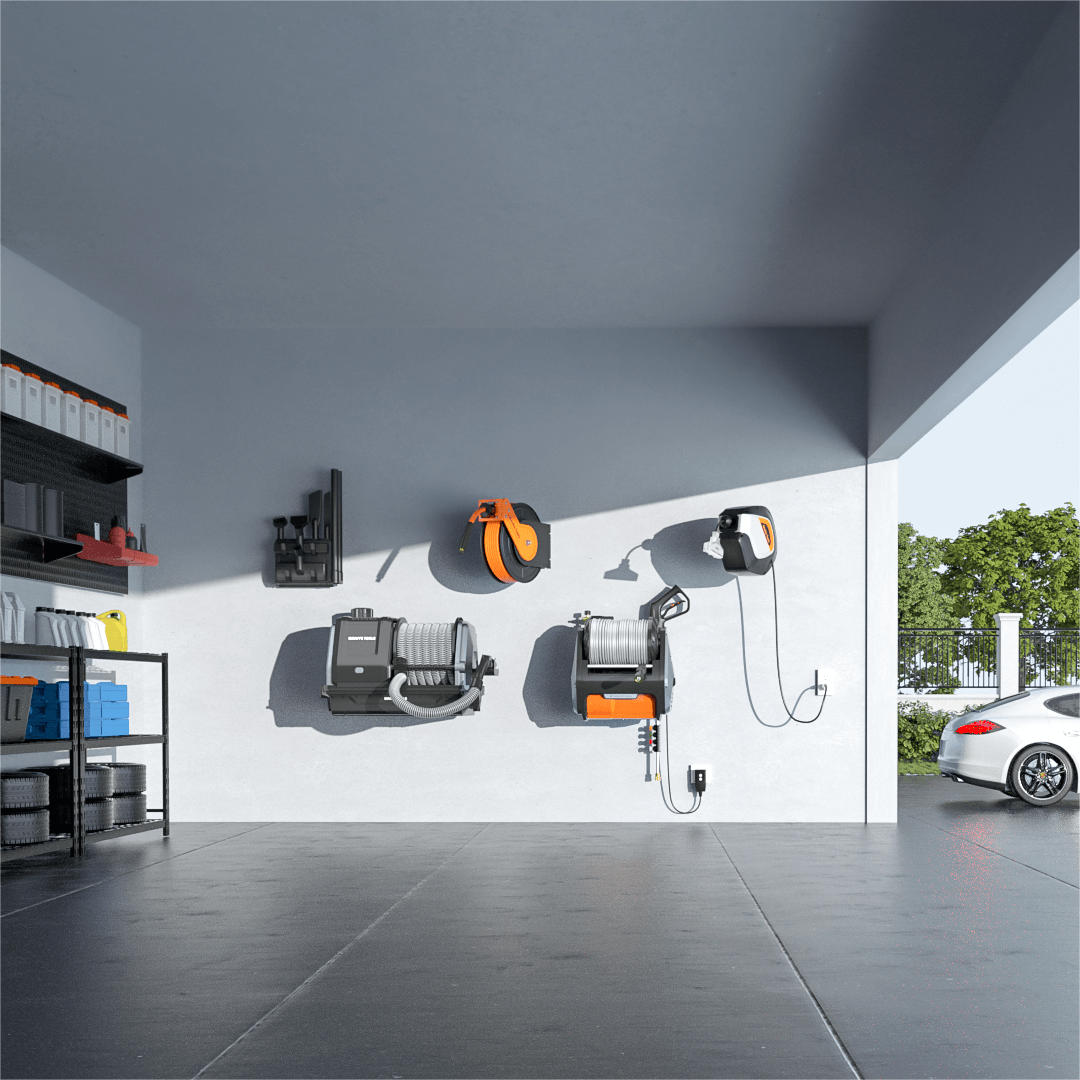
Moving among a driveway, fence, patio and vehicle means changing spray intensity and covering a large area. A wall-mounted machine can reduce setup when these are regular jobs rather than once-a-year projects.
For short jobs such as rinsing a bin, chair or muddy tool, a wall mounted pressure washer keeps the unit off the garage floor and the hose ready near the work area. That storage setup reduces the preparation and winding that can make small cleanups feel inconvenient.

Which Vehicles and Recreation Gear Can You Clean?
13. Cars, Trucks and SUVs
Rinse loose grit first, use a vehicle-safe detergent and choose a wide fan spray. Keep sensible distance from paint, trim, seals, cameras and sensors. Never blast damaged paint or direct water into the engine bay without vehicle-specific guidance.
14. Bicycles
Use low pressure to remove mud from frames, tyres and fenders. Keep the jet away from bearings, suspension seals, drivetrains and electronic components. Dry and lubricate the chain according to the bicycle maker's instructions.
15. Boats, Canoes and Kayaks
Rinse road grime, mud and surface residue from durable hulls using a wide nozzle and marine-safe cleaner. Avoid decals, seals, fittings and damaged gelcoat, and follow local rules for cleaning invasive species before transport.
16. RVs and Utility Trailers
A pressure washer can shorten exterior rinsing, but seams, vents, windows, graphics and roof membranes are vulnerable. Use low pressure, keep the spray angled downward and follow the RV or trailer manufacturer's wash instructions.
17. Sports Equipment
Rinse mud from durable hockey goals, plastic sleds, protective shells and similar water-safe gear. Avoid foam padding, leather, adhesives and absorbent materials unless the care label permits washing. Dry equipment fully before storage.
18. Pet Crates and Outdoor Kennel Panels
Remove the animal, bedding, bowls and loose waste first. Wash durable plastic or metal components with a pet-safe cleaner, rinse until no residue remains and let everything dry completely before the pet returns.
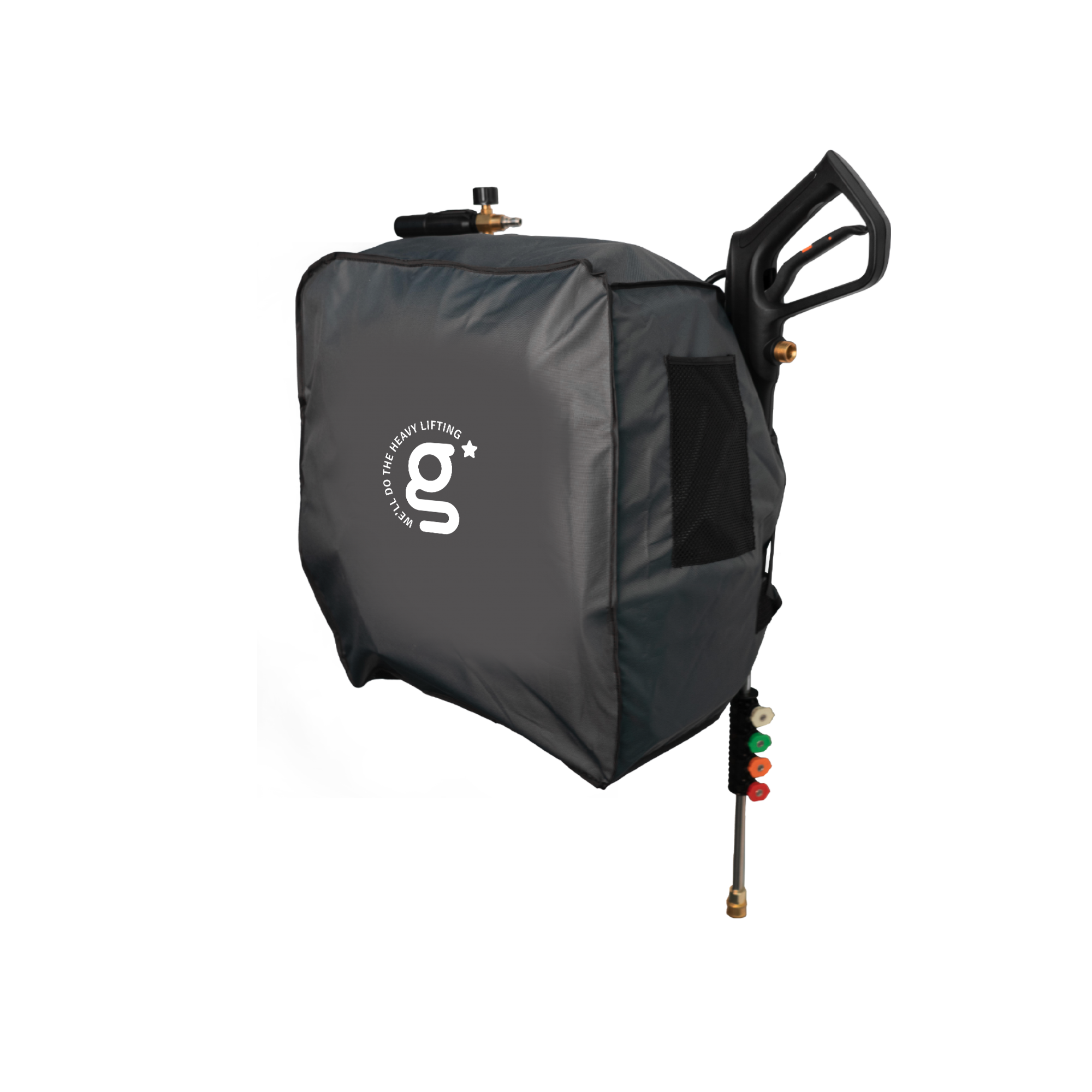
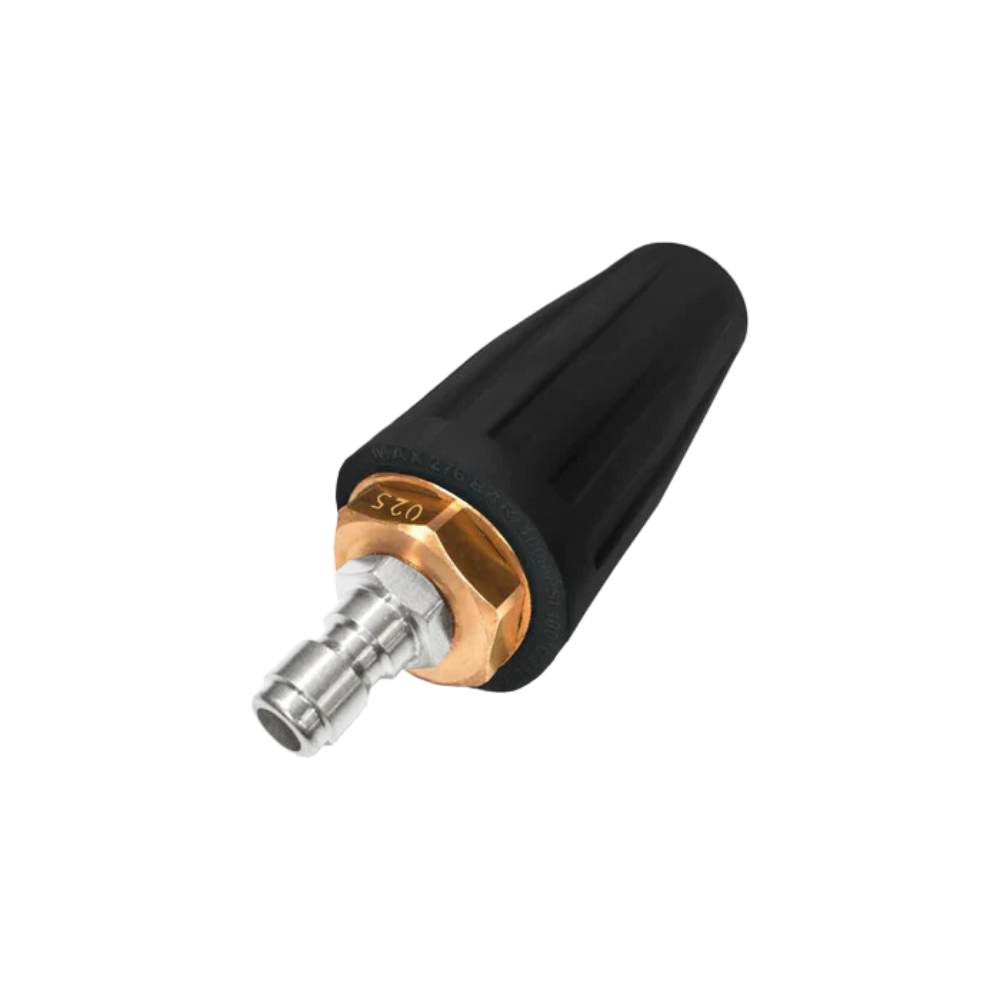
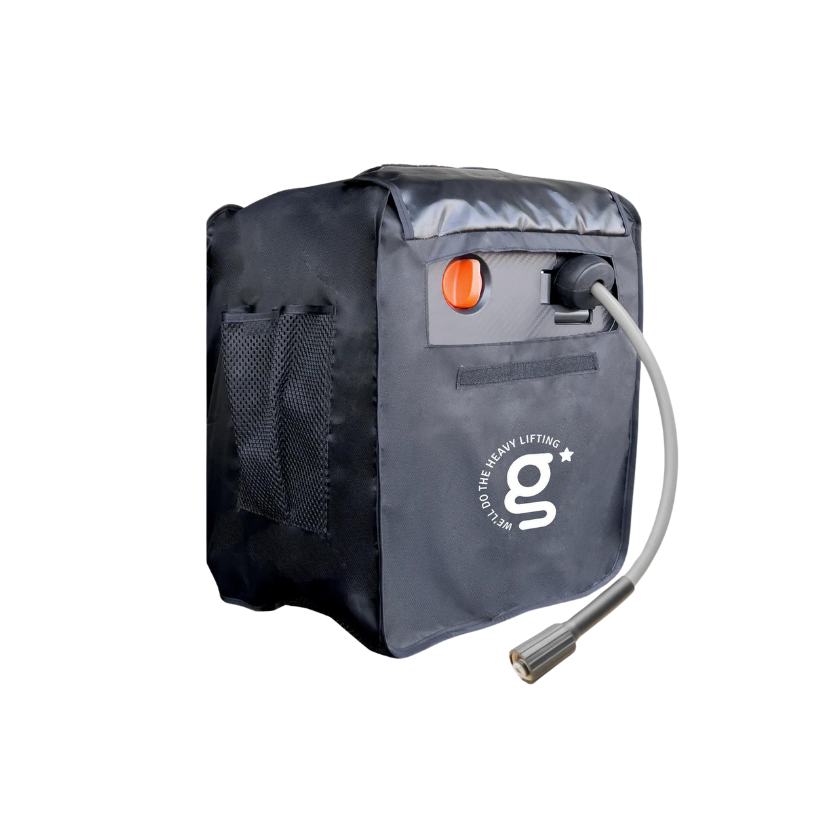
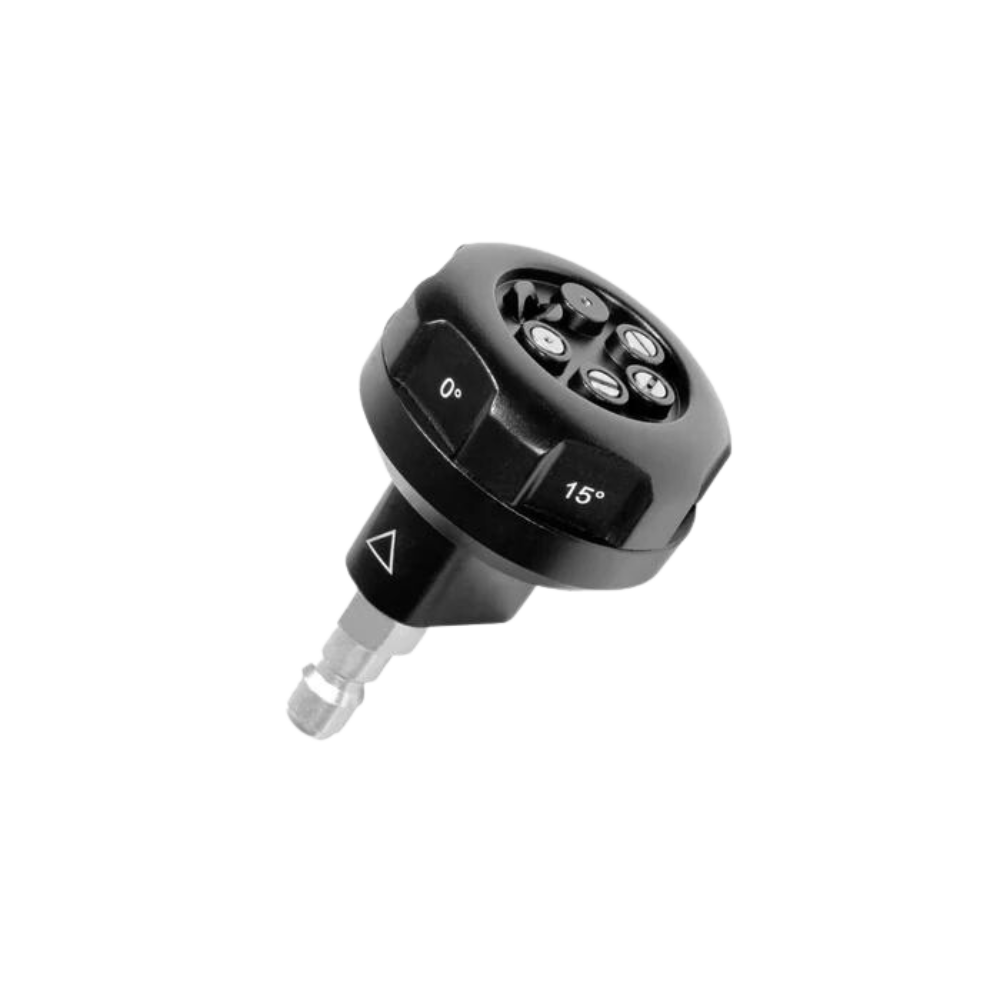
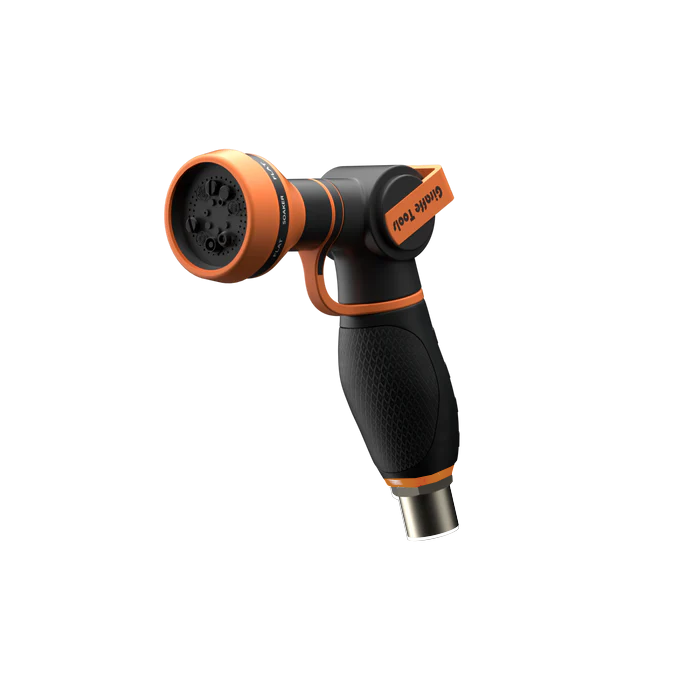
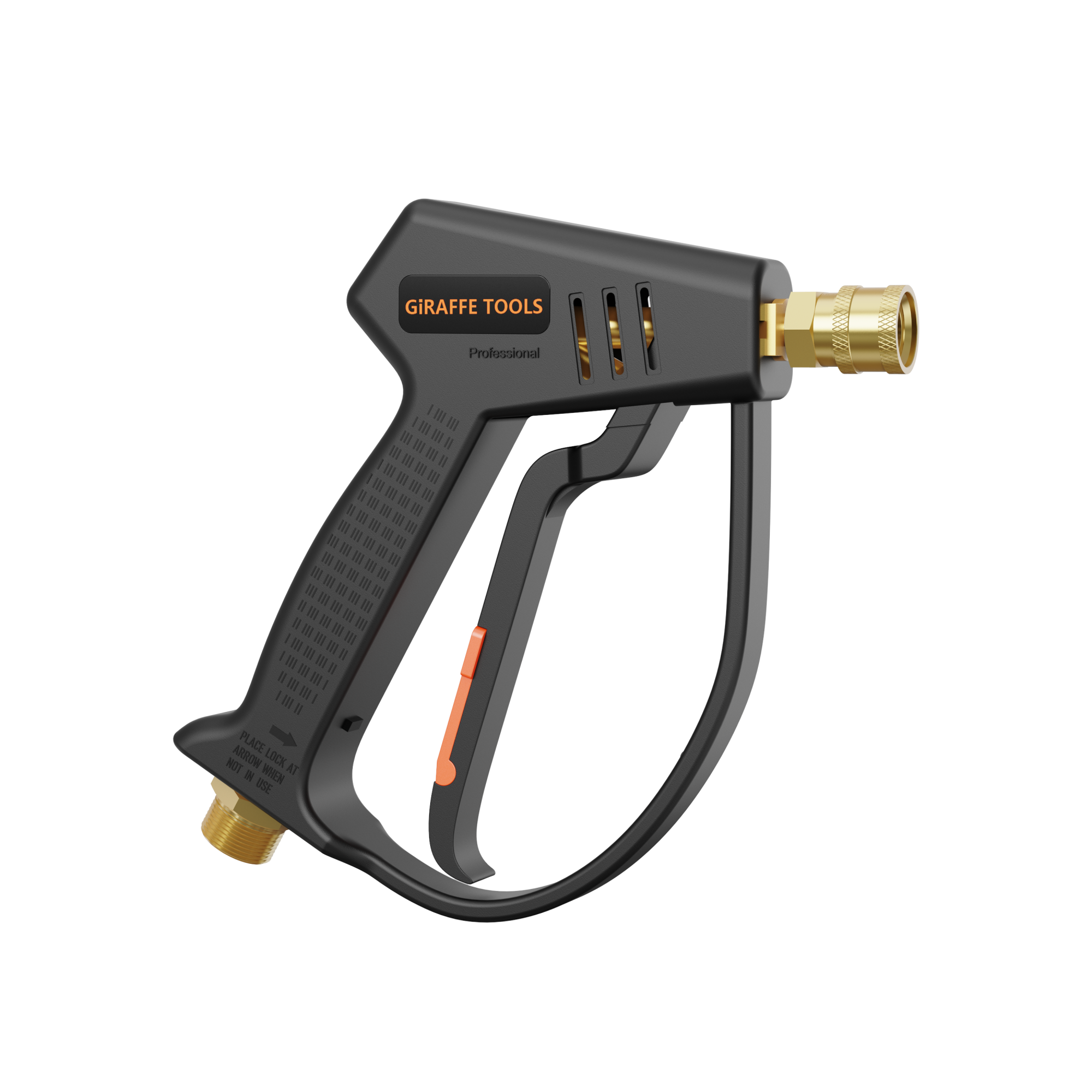
Handling concrete, yard equipment and vehicles with one machine calls for broad reach and several spray patterns. For a higher-demand residential option, the Grandfalls Retractable Pressure Washer Pro is rated at 2,700 PSI and 1.2 GPM, with maximum figures of 3,700 PSI and 1.6 GPM. It includes four nozzles and a 100 ft replaceable retractable hose.
How Should You Match the Spray to the Job?
Nozzle colour is not enough because machines and accessories vary. Use the manual as the authority, but this sequence offers a practical starting point.
|
Surface or task |
Start with |
Watch for |
|
Concrete and sound masonry |
Wide fan, then increase only if needed |
Loose joints, cracks and runoff |
|
Wood, composite or painted surfaces |
Lowest pressure and a hidden test |
Etching, lifted fibres and peeling |
|
Vehicles and equipment |
Wide fan with generous distance |
Seals, bearings, sensors and decals |
|
Bins and removable hard items |
Broad rinse and compatible detergent |
Splashback and contaminated water |
What Should You Never Pressure Wash?
Do not pressure wash people, pets, electrical panels, outlets, air-conditioning components, loose asbestos-containing material, lead paint, damaged siding, fragile glass or surfaces whose manufacturer prohibits it. Avoid roofs unless the roofing maker provides an approved method. High pressure can force water behind cladding, cut skin and turn loose debris into projectiles.
Final Thoughts
The most useful pressure washer jobs are not necessarily the ones that use the most force. A wide spray, extra distance and a small test area make one machine practical for concrete, outdoor furniture, yard equipment and vehicles. Choose water-safe items, protect vulnerable components and manage dirty runoff before pulling the trigger.
FAQs
What Are the Different Uses of a Wall Mounted Pressure Washer?
It can clean sound concrete, patios, paths, fences, decks, outdoor furniture, bins, garden tools, vehicles and water-safe recreation gear. Match the nozzle, distance and pressure to each material.
Are Wall Mounted Pressure Washers Good?
Yes, especially for regular home cleaning. Wall mounting saves floor space, while a retractable hose reduces setup and manual winding. Cleaning performance still depends on usable PSI, flow and suitable nozzles.
Where Should You Not Use a Pressure Washer?
Avoid people, pets, electrical equipment, fragile glass, damaged siding, loose hazardous coatings and any surface whose manufacturer prohibits pressure washing. Do not spray vulnerable seams, bearings, sensors or outlets.
How Many PSI Is a Good Pressure Washer?
About 1,500-2,000 PSI suits many lighter residential jobs, while roughly 2,000-2,800 PSI can handle harder surfaces. The safe choice also depends on flow, nozzle angle, distance and the surface maker's instructions.
Is 3000 PSI Enough to Clean Concrete?
Yes. 3,000 PSI is generally enough for sound concrete and can damage weaker surfaces if used too closely. Start with a wide fan, keep the wand moving and test an inconspicuous area first.


