













Yes, most dirty house exteriors should be washed before painting because dust, chalk, mildew residue and loose debris can prevent the new coating from bonding. Power washing is an efficient option, but it is not automatically the safest method for every siding material or every older paint job.
The goal is a clean, sound and fully dry surface - not maximum pressure. Use controlled spray only where the exterior can tolerate it, then allow enough drying time before scraping, repairing, priming and painting.
Why Clean Your House Before Painting?
Paint adheres to the surface beneath it. If that surface is covered with dirt, pollen, oily residue or chalk from weathered paint, the new coat may attach to the contamination instead of the siding. The finish can then blister, peel or look uneven earlier than expected.
Washing also exposes the real condition of the exterior. Once grime is gone, you can see cracked caulking, soft wood, failed joints and paint that still needs scraping. Cleaning does not replace those repairs, but it prevents them from being hidden under a fresh coat.
For siding, the amount of force matters more than the largest number on the machine. This pressure washer PSI guide explains how nozzle angle, distance and water flow change the effective cleaning force, which is useful before testing an unfamiliar exterior.
Can You Power Wash Every Type of Siding?
Power washing is the practical choice for large, sound exterior surfaces with built-up dirt, chalk and weather residue. It covers more area than hand scrubbing and rinses loosened contamination efficiently, helping prepare a consistent surface for paint.
When Power Washing Works Best
Vinyl, aluminum, fibre cement and sound masonry can often be power washed when their manufacturers allow it. Start with a wide fan, generous distance and the lowest effective pressure, then adjust only after a hidden test area remains intact. A compatible cleaner can loosen stubborn buildup so water pressure does not have to do all the work.

When Gentler Cleaning Is Better
Hand washing or professional soft washing is more suitable for loose stucco, rotted wood, cracked siding, weak mortar and openings that cannot be protected from water. These methods still prepare the surface; they simply give you more control around vulnerable details.
Older coatings require one additional check. Health Canada says homes built before 1960 probably contain lead-based paint, while exteriors built between 1960 and 1990 may also contain it. Have suspect paint assessed before disturbing it, and use the correct containment and preparation method rather than treating power washing as a paint-stripping shortcut.
How to Clean Different Exterior Materials
Begin in an inconspicuous area with a 40-degree nozzle, stand about 60 cm away and move closer only if the material remains sound.
|
Exterior surface |
Safer starting approach |
|
Vinyl or aluminum siding |
Use a wide fan and the lowest effective pressure; avoid spraying up under laps. |
|
Painted wood |
Use extra caution. Keep your distance and stop if fibres lift or sound paint begins to release. |
|
Fibre cement |
Follow the siding maker's cleaning instructions and keep water out of joints and edges. |
|
Stucco |
Avoid aggressive spray on cracks, loose areas or older repairs; soft washing may be safer. |
|
Brick or masonry |
Sound masonry tolerates more cleaning force, but weak mortar and painted brick need a gentler test. |
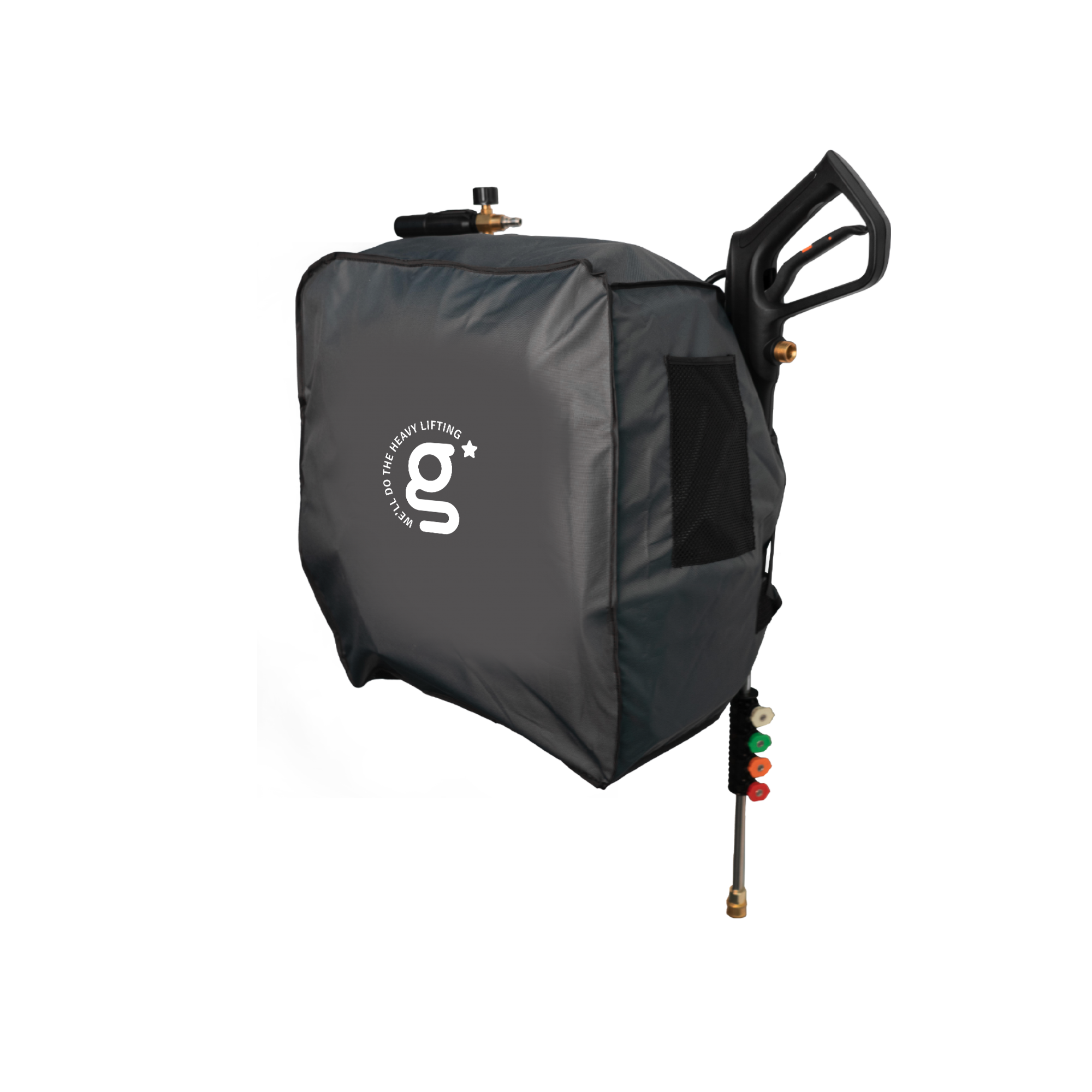
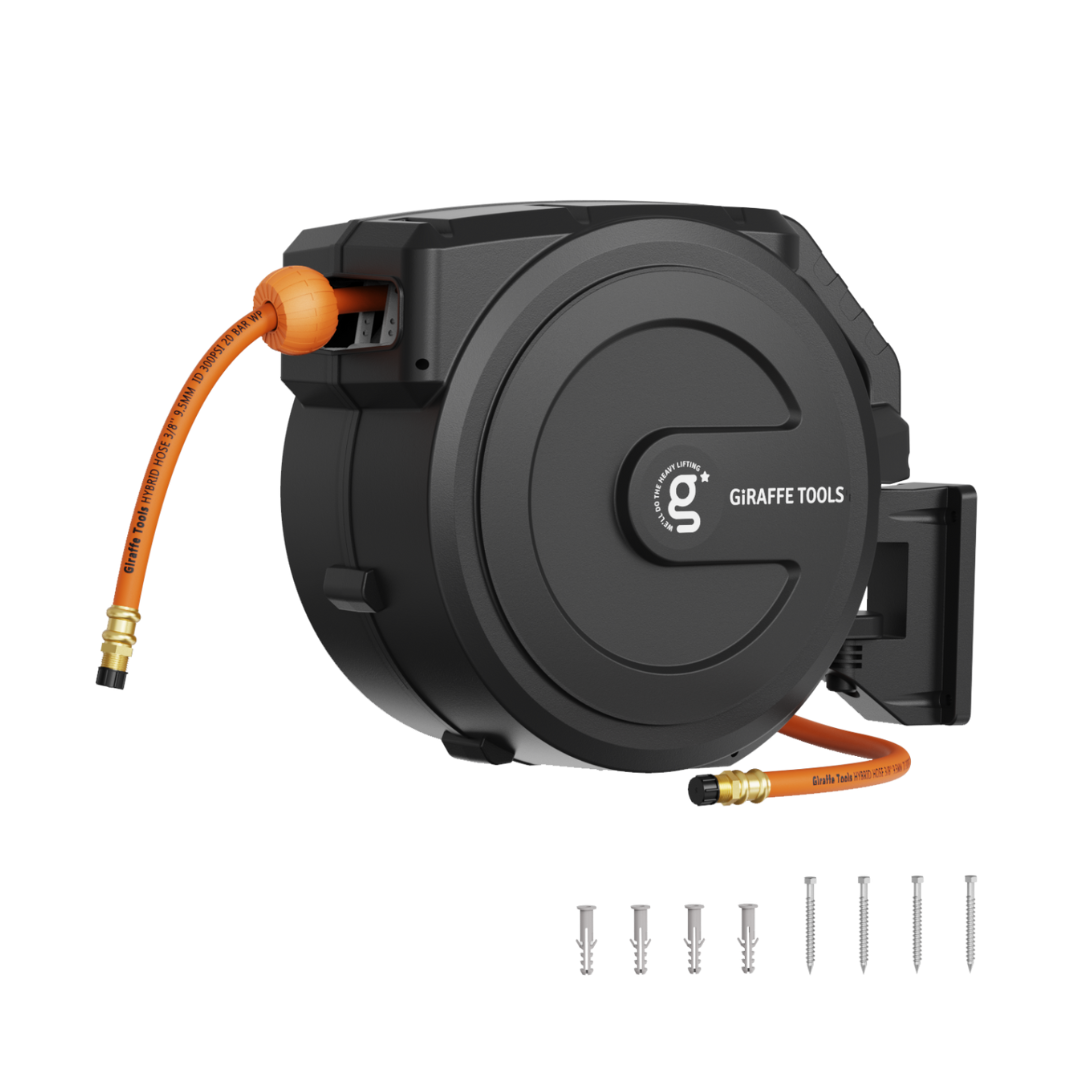
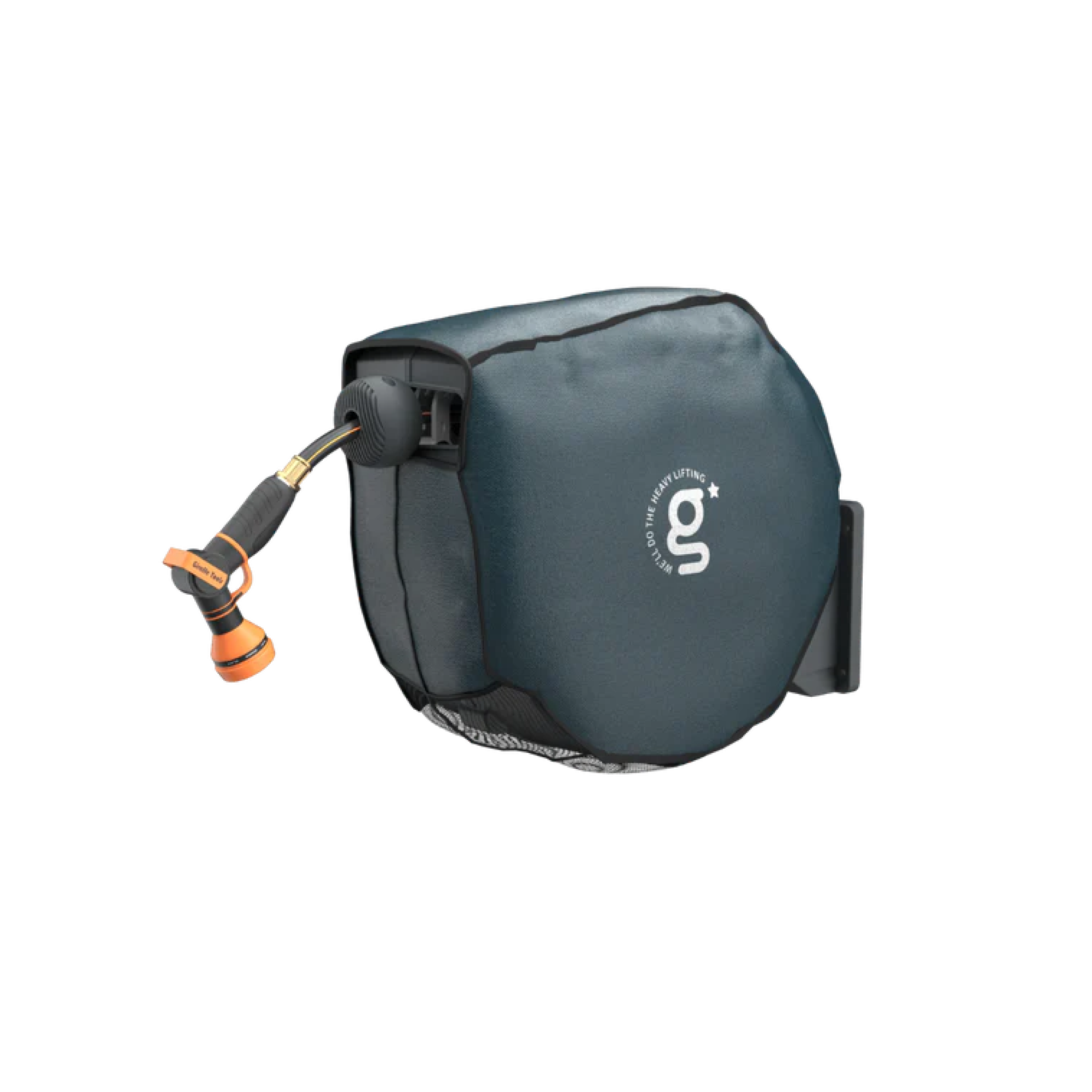
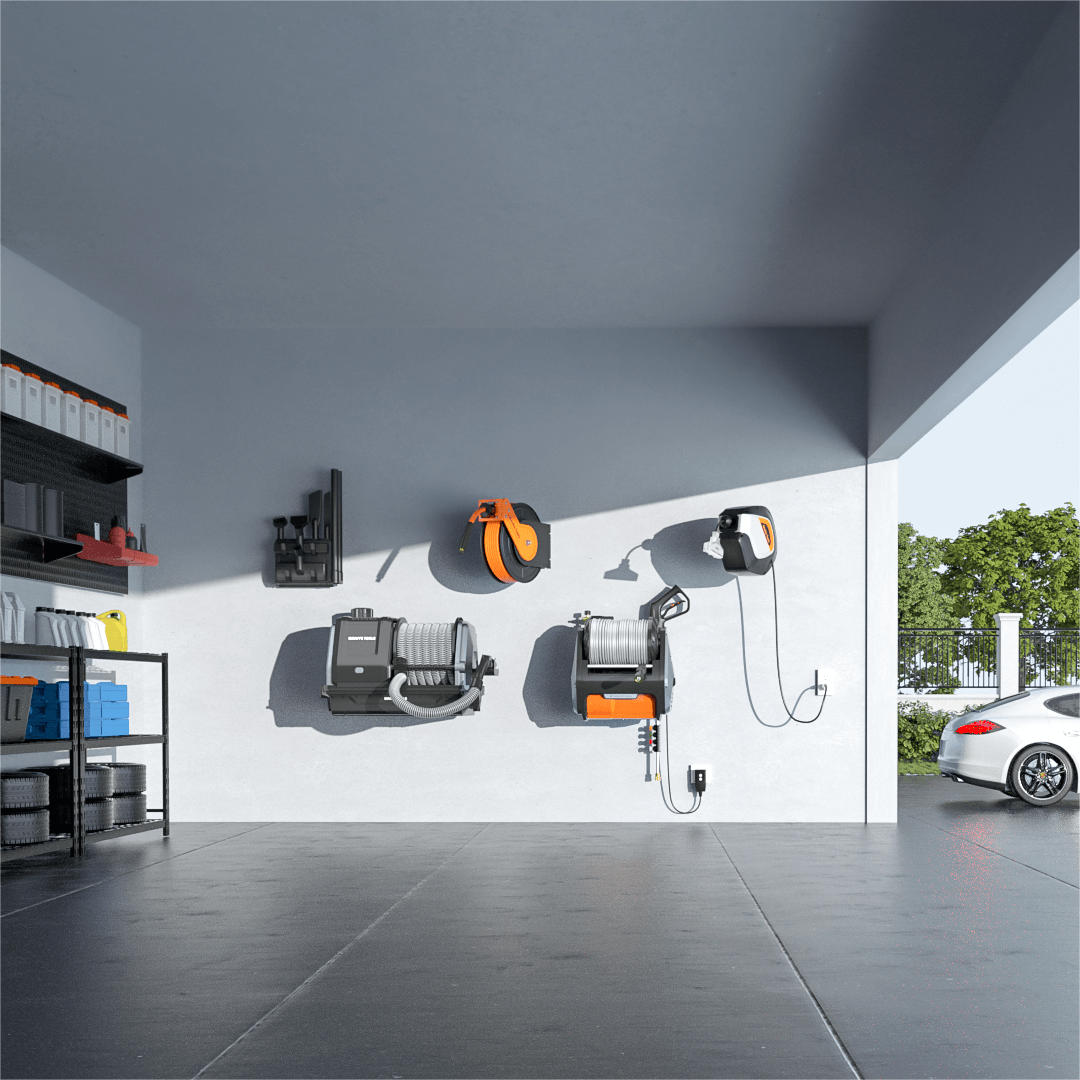
For sound siding on a smaller property, the Grandfalls Retractable Pressure Washer G20 provides a 65 ft (20 m) retractable hose, automatic rewind and up to 2,000 PSI without taking up garage floor space. It is the more practical fit when the cleaning route stays relatively close to the mounting point and the job does not require the longer reach of a full-property setup.
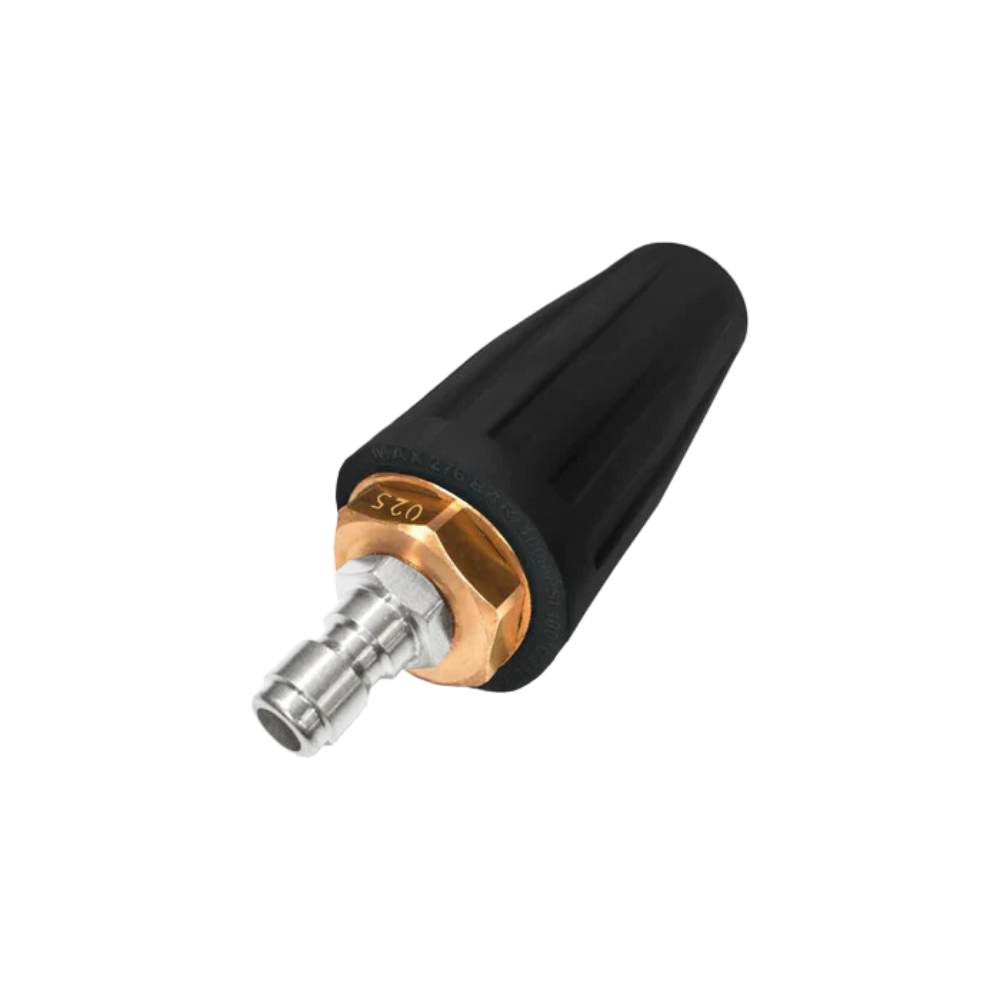
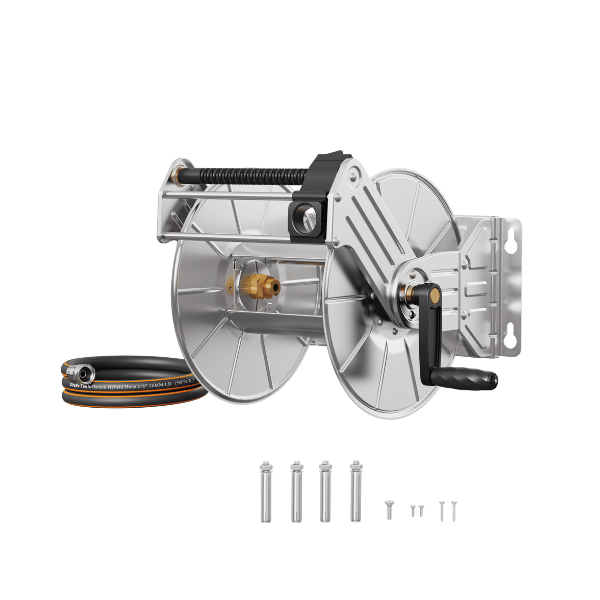
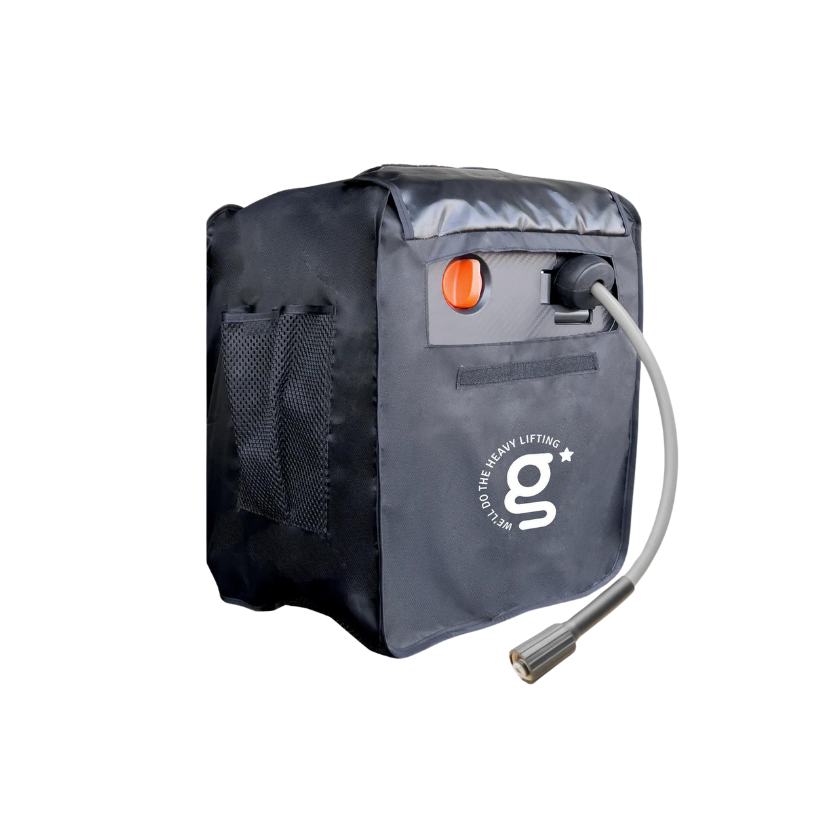
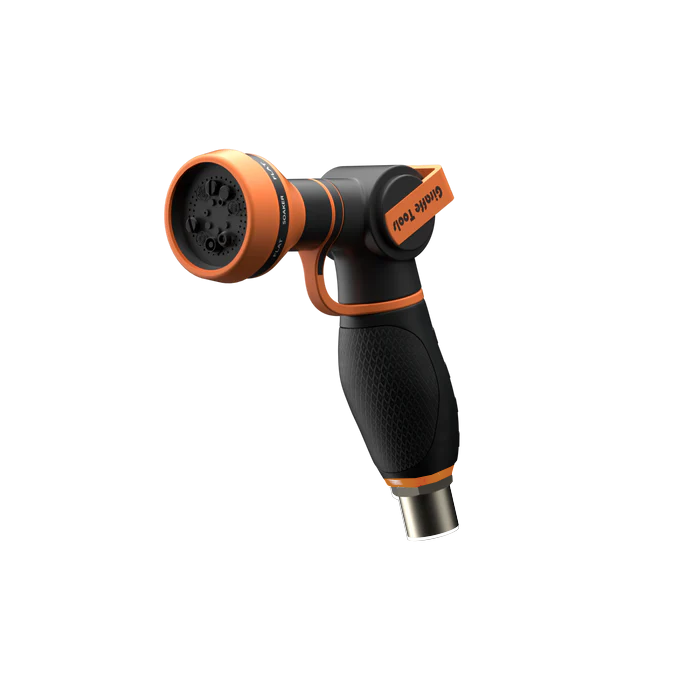
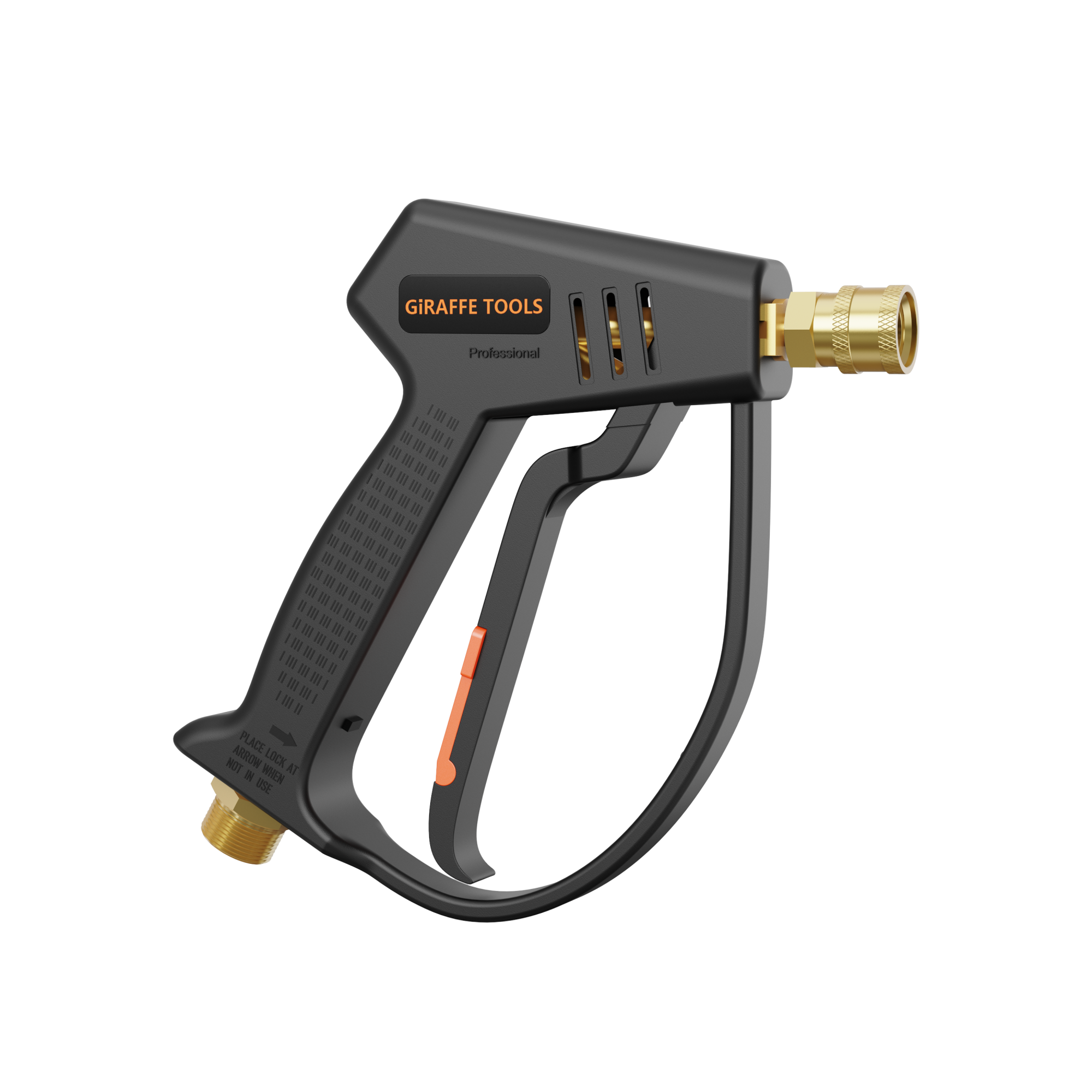
For a larger home or a route that wraps around several sides, the Grandfalls Retractable Pressure Washer Pro extends coverage with a 100 ft replaceable hose, while wall-mounted storage and automatic rewind reduce repeated machine moves and hose winding around corners. Its four included nozzles also let you select the wide 40-degree spray that is most relevant when beginning cautiously on exterior siding.
What Should You Do Before Power Washing?
Inspect the entire wall before connecting water. Note peeling paint, open seams, damaged trim and any area that should not be sprayed. Read the siding, coating and cleaning-product instructions, then choose a mild cleaner that is approved for the surface.
-
Close and lock windows and doors; cover exterior outlets and fixtures as their manufacturers direct.
-
Move furniture, planters, decorations and vehicles out of the spray and runoff path.
-
Wet or cover nearby plants when the cleaner label requires it, and plan where rinse water and paint debris will go.
-
Keep children and pets away, wear eye protection and use stable ground access instead of spraying from a ladder.
How Do You Power Wash a House Before Painting?
Apply Cleaner Without Letting It Dry
-
Test the cleaner and spray pattern on a hidden section. Confirm that the coating, sealant and siding remain intact.
-
Apply an approved cleaner at low pressure, generally working from the lower portion upward to reduce obvious streaking. Treat manageable sections so the solution does not dry on the wall.
-
Allow only the dwell time stated on the cleaner label. Agitate stubborn areas with a suitable soft brush instead of concentrating the spray.
Rinse From the Top Down
-
Switch to a wide rinse nozzle and start at the top of the cleaned section so dirty water travels over areas that still need rinsing.
-
Keep the wand moving and hold a consistent distance. Aim straight at or slightly downward on lap siding; never drive water upward behind panels.
-
Overlap each pass, rinse away all cleaner and inspect the surface before moving to the next section. Stop immediately if water enters, fibres lift or sound paint releases.
For a large exterior, repeated access around corners and landscaping can make hose control as important as cleaning force. When comparing a wall mount pressure washer, look for enough reach to cover the planned route, a wide rinse nozzle and an automatic rewind system that keeps the hose organised between sections.

How Long Should You Wait Before Painting?
Wait until the exterior is completely dry, not merely dry to the touch. A common starting point is at least 24-48 hours in warm, dry conditions, but shaded walls, porous wood, cool temperatures and humid or rainy weather can require longer. Water driven behind laps and trim also needs time to escape.
Do not rely on time alone. Check hidden joints, end grain, window trim and other slow-drying areas. For bare or exposed wood, a moisture meter provides a better decision than appearance; follow the primer or paint manufacturer's maximum moisture requirement.
What Should You Do After Power Washing?
Washing is the first preparation stage. Once the exterior is dry, scrape paint that is no longer firmly attached, feather rough edges by sanding where safe, repair damaged substrate and replace failed caulking where the construction detail calls for it. Remove the resulting dust before coating.
Prime bare wood, metal, masonry repairs and stains with a compatible exterior primer. Glossy, sound coatings may also need to be dulled according to the paint instructions. Complete a small adhesion test when the existing coating or siding history is uncertain.
Finally, check the forecast and the coating label. Avoid painting before rain, on a damp surface or outside the stated air and surface temperature range.
Final Thoughts
You should wash a dirty house before painting, but you should not assume every exterior needs aggressive power washing. Match the method to the siding, use a wide spray and controlled distance, protect openings and stop when the surface shows damage. Most importantly, let the house dry fully and finish the scraping, repairs and priming before applying paint.
FAQs
Do Professional Painters Clean Before Painting?
Yes. Professional exterior preparation normally includes cleaning because paint needs a clean, sound and dry surface. The contractor may use power washing, soft washing or hand cleaning depending on the siding and its condition.
What Are Common Exterior Painting Mistakes?
Common mistakes include painting over dirt or damp siding, skipping loose-paint removal, ignoring failed caulking, using an incompatible primer and painting outside the coating's stated temperature or weather conditions.
What Is the Correct Order to Clean a House?
Inspect and protect the property first, test a hidden area, apply an approved cleaner in manageable sections, allow the stated dwell time and rinse from the top down. Let the exterior dry fully before repairs and paint preparation.
What Are Alternatives to Pressure Washing a House?
Soft washing, a garden-hose rinse and hand scrubbing with a long-handled brush are useful alternatives. Choose the method that removes contamination without damaging the siding or forcing water into joints.
What Is the Best Time to Power Wash a House?
Choose a mild, dry day with enough rain-free time for the exterior to dry. Avoid freezing conditions, strong wind and intense direct sun that can dry cleaner on the wall before rinsing.


